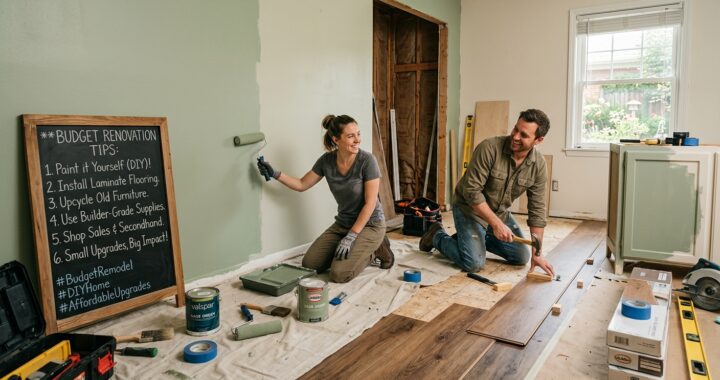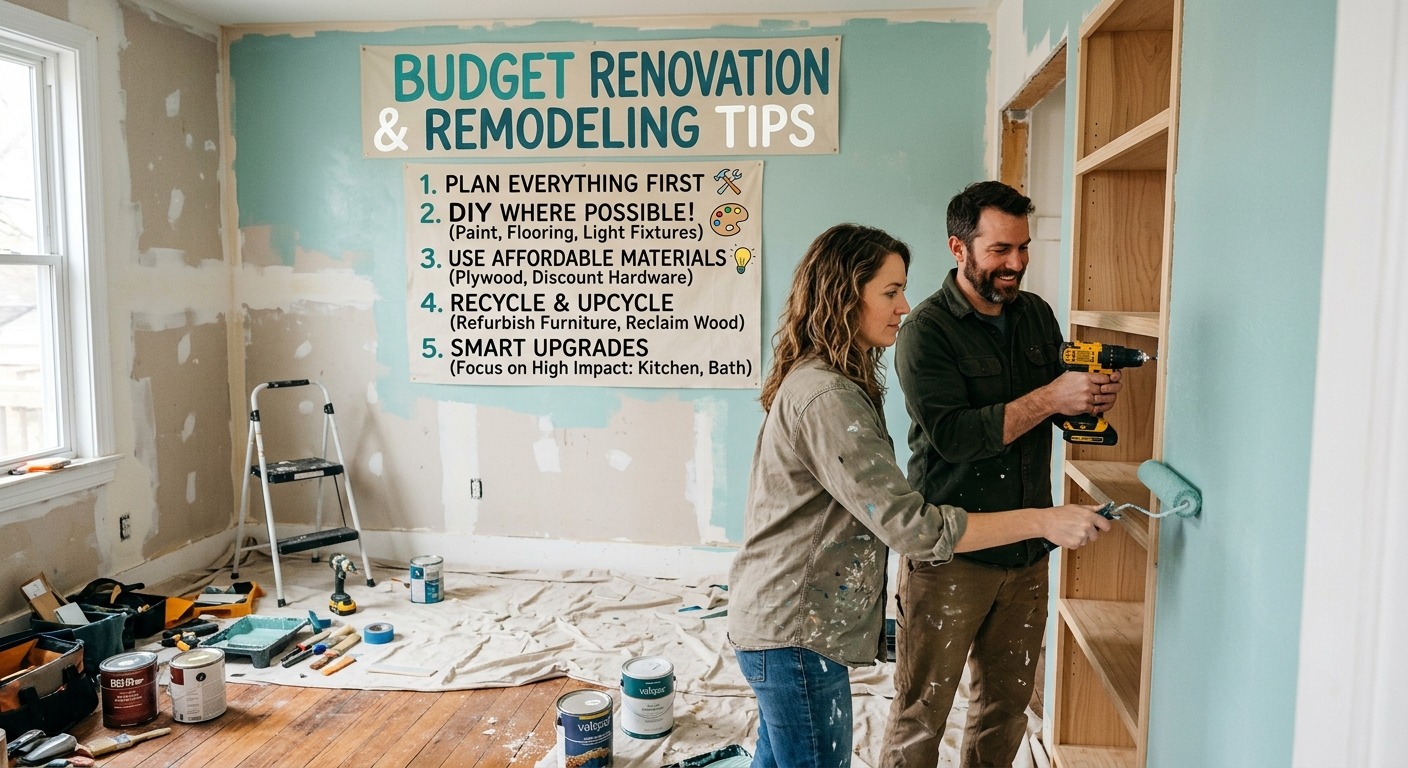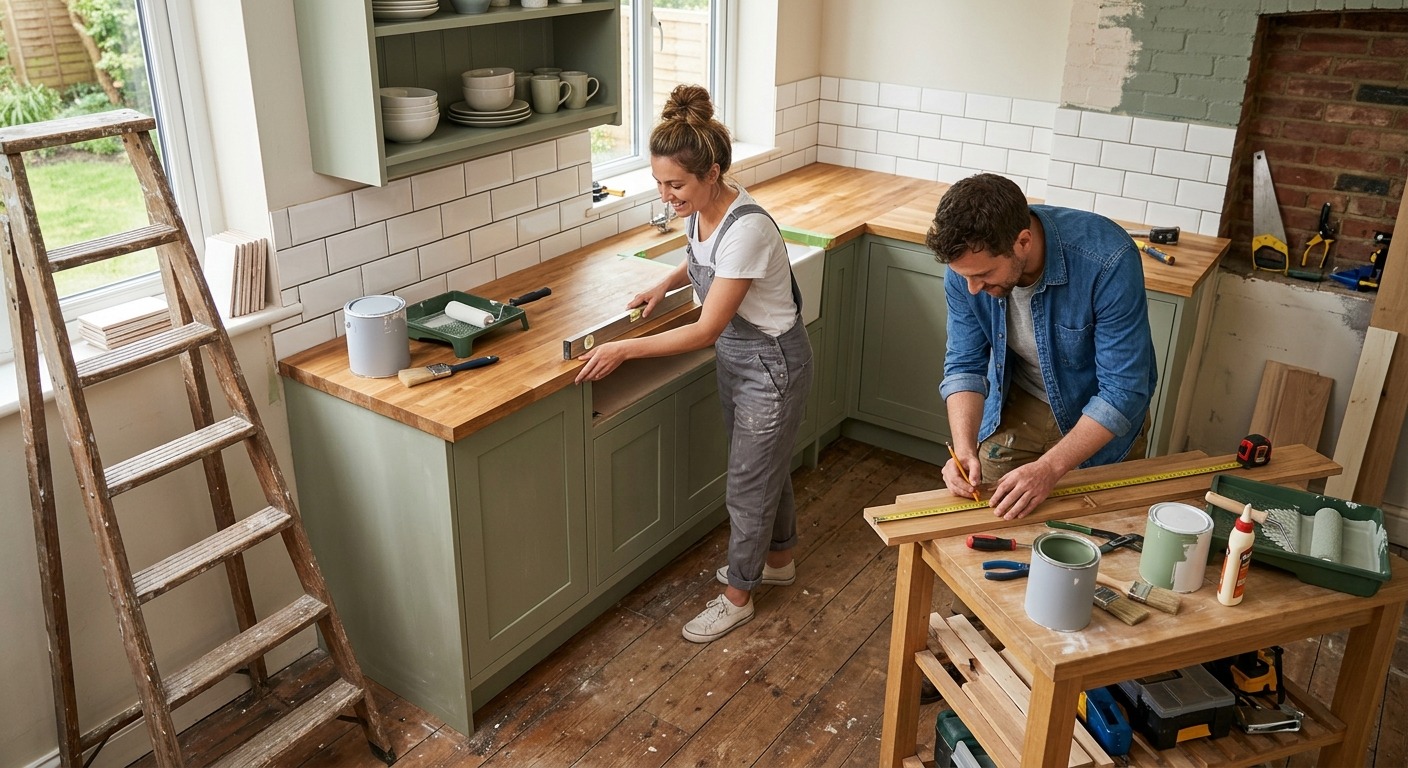
Proven Ways to Cut Costs Without Cutting Corners
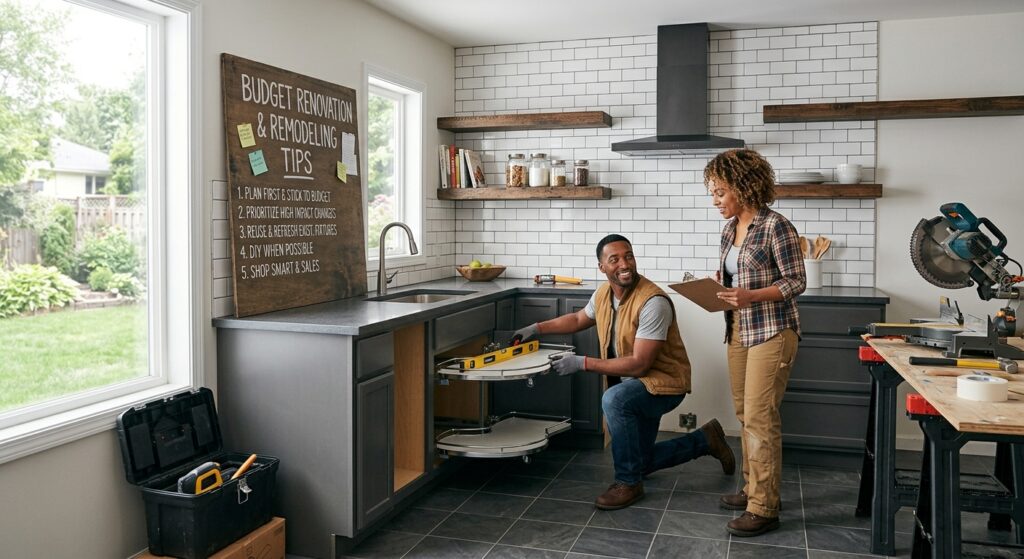
Quick answer: The cheapest kitchen transformation comes from keeping your layout untouched, refreshing instead of replacing (cabinet painting runs a fraction of new cabinetry), and splurging only where hands touch daily — hardware, faucets, counters. Midrange remodels have historically recouped far more of their cost at resale than upscale ones. Below, you’ll find the exact budget tiers, cost-saving tactics, and mistakes I’ve watched eat renovation budgets alive.
Why Smart Budgeting Beats Big Budgets
I’ve sat through enough contractor quotes to know one thing clearly: budget overruns rarely come from materials. They come from decisions made too late.
Order changes. Plumbing surprises. Fixtures swapped mid-project. Each one adds fees quietly.
So this guide isn’t about being cheap. It’s about spending deliberately, in the right order, on the right things.
My clients keep asking about this, so I’ve pulled together everything that actually moved the needle across my projects — plus the numbers to back it up.
Start With the Numbers That Matter
Before touching anything, understand what renovations typically return at sale.
The data here is genuinely encouraging for budget-minded owners. Minor kitchens consistently rank among the better-performing projects nationally, recovering a healthy share of their cost — while upscale remodels recover much less. Remodeling magazine’s annual Cost vs. Value report breaks down recovery percentages by project type and region, and the pattern repeats year after year: restraint wins.
Translation? A thoughtful 15,000refreshoftenbeatsathoughtless15,000 refresh often beats a thoughtless15,000refreshoftenbeatsathoughtless75,000 gut job. Not just at resale. Every single day you live in it, too.
The Decision That Saves the Most Money First
Keep Your Layout Locked
Here’s the single biggest cost lever in your entire project, and it’s free to pull.
Keep plumbing and appliances exactly where they are. The moment water lines or gas lines move, your quote inflates fast — permits, extra labor, patching, possible code upgrades triggered along the way.
When I tested this on a small rental update last year, the difference between “refresh in place” and “rearrange slightly” was thousands of dollars on paper before demo even started. We kept the sink anchored. Pocketed the savings toward counters instead.
Your rule of thumb: the footprint is sacred unless it’s actively broken.
Refresh Instead of Replace
Cabinet replacement often eats around a third of typical kitchen budgets — usually the largest line item by far. Meanwhile, paint transforms those same boxes dramatically.
Compare your realistic options:
| Approach | Typical Relative Cost | Visual Impact | Lifespan After |
|---|---|---|---|
| Full cabinet replacement | Highest | Dramatic | 15–20+ years |
| Cabinet refacing (new doors + veneers) | Mid | Strong | 10–15 years |
| Painting existing cabinets | Low | Strong | 5–10 years |
| New hardware + hinges only | Lowest | Noticeable | N/A |
The first time I tried cabinet repainting, it broke because I rushed prep. Skipping degreasing and primer meant chipping within months. Second attempt with proper prep has held beautifully for years since.
Prep is ninety percent of paint success. Clean with TSP or a strong degreaser, sand lightly, prime with bonding primer, then apply two thin coats. Slow weekend work, not skilled-labor money.
Where to Splurge vs. Save: The Honest Split
Not every dollar deserves equal treatment. Some surfaces earn their premium through daily contact; others sit quietly.
| Spend More Here | Save Here |
|---|---|
| Countertops (touched constantly) | Backsplash tile (paint or peel-and-stick works) |
| Faucet (used dozens of times daily) | Decorative lighting fixtures |
| Cabinet hardware (handles get gripped) | Interior cabinet finishes nobody sees |
| Ventilation (function matters) | Window treatments |
| Flooring underlayment (prevents failures) | Upper cabinet interiors |
This split comes straight from pattern recognition across multiple projects. Failures almost always trace back to underinvesting in high-touch items. Nobody regrets choosing affordable backsplash tile.
Additionally, consider open shelving for one section instead of upper cabinets. Shelves cost noticeably less than cabinetry and photograph beautifully. Just keep everyday dishes there, not fragile display pieces.
Ten Tactics That Genuinely Lower Costs
These are ranked roughly by savings potential. None require professional skills:
- Paint everything possible — walls, cabinets, even dated tile with proper epoxy paint
- Keep appliances one more year, buying them gently-used or during holiday sales instead
- Choose quartz remnants for small counter sections rather than full slabs
- Buy floor-model or discontinued items from showrooms at steep discounts
- Handle demolition yourself — contractors charge labor for swinging sledgehammers
- Source fixtures online, comparing showrooms against internet pricing first
- Do the painting yourself, which removes an entire trade from your invoice
- Phase the project — floors now, counters next quarter, lights after
- Reuse serviceable pieces, like relocating a decent faucet to a laundry room
- Get three quotes minimum, always; price spreads between bids routinely shock people
That last bullet saved me dearly once. Three bids for identical scope on a client job spanned nearly forty percent apart. Same city. Same month. Never accept the first number.
Understanding Real Cost Tiers
Here’s how I frame budgets with clients before any shopping happens. Your local prices will vary, but proportions hold surprisingly steady.
| Tier | Scope Description | Best For |
|---|---|---|
| Cosmetic refresh | Paint, hardware, lighting, faucet, backsplash | Tight budgets, quick turnarounds |
| Midrange remodel | Refaced cabinets, new counters, same appliances, flooring | Primary residences, solid ROI |
| Full gut renovation | Everything replaced, layout changes | Long-term holds, broken kitchens |
My clients keep asking where the “hidden” costs hide. So here they are honestly:
- Contingency funds — professionals commonly recommend reserving15–20% for surprises behind walls
- Disposal fees — dumpsters aren’t glamorous or cheap
- Small-tool accumulation drills, levels, tile cutters add up quietly
- Eating out during kitchen downtime — real money over weeks
Wasted two hours on a spreadsheet once trimming $150 from a tile selection. That same week, an unplanned valve replacement cost more than double that. Prioritize contingency math over coupon-clipping energy.
Timing and Ordering: Small Levers, Real Money
Beyond what you buy, when you buy changes invoices meaningfully.
Appliance holidays like Black Friday and Labor Day sales deliver some of the deepest discounts retailers offer annually. Last-minute floor models and scratch-and-dent sections deserve checking too — minor dents hide against walls forever anyway.
On flooring specifically: luxury vinyl plank keeps winning hearts among my clients because it survives water, installs without pros, and fools guests completely. We shipped a client’s full floor install in a weekend — click-lock planks, underlayment roll, standard tools. Here’s exactly how: level the subfloor carefully, stagger end joints randomly, and leave expansion gaps at every wallTransition seasons matter for scheduling too. Contractors quote more competitively during slower, typically late fall through early winter in many markets. Book ahead regardless; good trades stay busy in every season.
DIY vs. Hiring: The Border Nobody Draws Clearly
Confession time: I’ve watched DIY ambition save budgets brilliantly — and explode them spectacularly. The difference was always knowing which jobs cross skill thresholds.
Safe DIY territory:
- Painting (walls, cabinets ceilings)
- Hardware and fixture swaps
- Peel-and-stick backsplashes
- Floating floor installation
- Demolition (with utility shutoff verified)
Professional-only territory, no exceptions:
- Gas line anything
- Electrical panel work
- Structural wall modifications
- Major plumbing re
- Natural stone countertop fabrication
The gas line rule especially admits zero. Carbon monoxide doesn’t negotiate.
The first time I tried tile cutting myself, it broke because I forced cuts instead of scoring properly. Wasted material taught me the lesson cheaply, thankfully. Rent the right cutter; practice on scrap pieces first.
Materials That Punch Above Their Price
Some finishes simply perform beyond their cost bracket. These have earned permanent spots on my recommendation list:
- Quartz lookalikes: entry-level engineered quartz delivers premium looks at accessible prices
- Subway tile: timeless, inexpensive, available literally everywhere
- Open oak shelving: warm, affordable, endlessly restylable
- Matte black hardware: hides wear better than polished finishes ever will
- Peel-and-stick solutions: rental-friendly, commitment-free, shockingly convincing these days
Also worth mentioning — stock cabinets have improved enormously over the past decade. Semi-custom pricing buys marginal gains for most homes. Stock boxes with upgraded doors and hardware frequently outperform both aesthetically and financially.
Phase Your Renovation Like a Pro
Budget constraints don’t demand delaying everything simultaneously. Phasing spreads costs comfortably while delivering visible wins early.
A sensible sequence I recommend repeatedly:
Phase one: paint, hardware, lighting, faucet — instant transformation, smallest invoice.
Phase two: countertops and backsplash, once phase one confirms the layout pleases you.
Phase three: flooring and appliances, ideally catching seasonal sales along the way.
Phasing also protects against decision fatigue. Choosing finish details across six weeks beats racing through fifty selections in one panicked weekend.
However, phasing carries one warning: buy long-lead-time items early regardless of phase. Custom orders, special tiles, and made-to-order pieces can take weeks or months. Order first, install later.
Mistakes That Quietly Destroy Budgets
Every overrun story I’ve witnessed fits one of these patterns:
- No written scope. Verbal agreements breed change orders.
- Cheapest bid accepted blindly, followed by expensive correction work later.
- Trend-chasing on permanent elements — trendy floors date fastest of all.
- Skipping samples at home. Showroom lighting lies constantly; your kitchen’s light tells truth.
- Forgetting behind-the-walls updates — old wiring and valves deserve attention during access.
That final point deserves emphasis. Walls open rarely. Upgrading supply valves, outlets, and rough-ins during open-wall moments costs pennies compared to reopening them later. My clients who planned this ahead thanked me profusely afterward.
Your Budget Action Plan
Here’s the condensed playbook for printing and pinning:
- Lock your current layout completely
- Reserve 15–20% contingency before allocating anything else
- Refresh cabinets rather than replacing them
- Splurge only on high-touch surfaces
- Gather three minimum bids with identical written scopes
- Time big purchases around seasonal sales
- Phase purchases into visible, morale-building chunks
None of this requires design genius. Honestly, it mostly requires patience — something money can’t buy but discipline can compound.
The most satisfying moment across all my projects wasn’t any dramatic reveal. Instead, it was watching a modest-budget kitchen consistently outperform its price tag at both appraisal time and dinner parties alike.
Start tonight with one honest step: measure your space, count your cabinets, and write down what truly anno you daily. That list becomes your budget. Your budget becomes your plan.
Then go build something great affordably.