Why an Organized Kitchen Saves You Time and Groceries Every Week
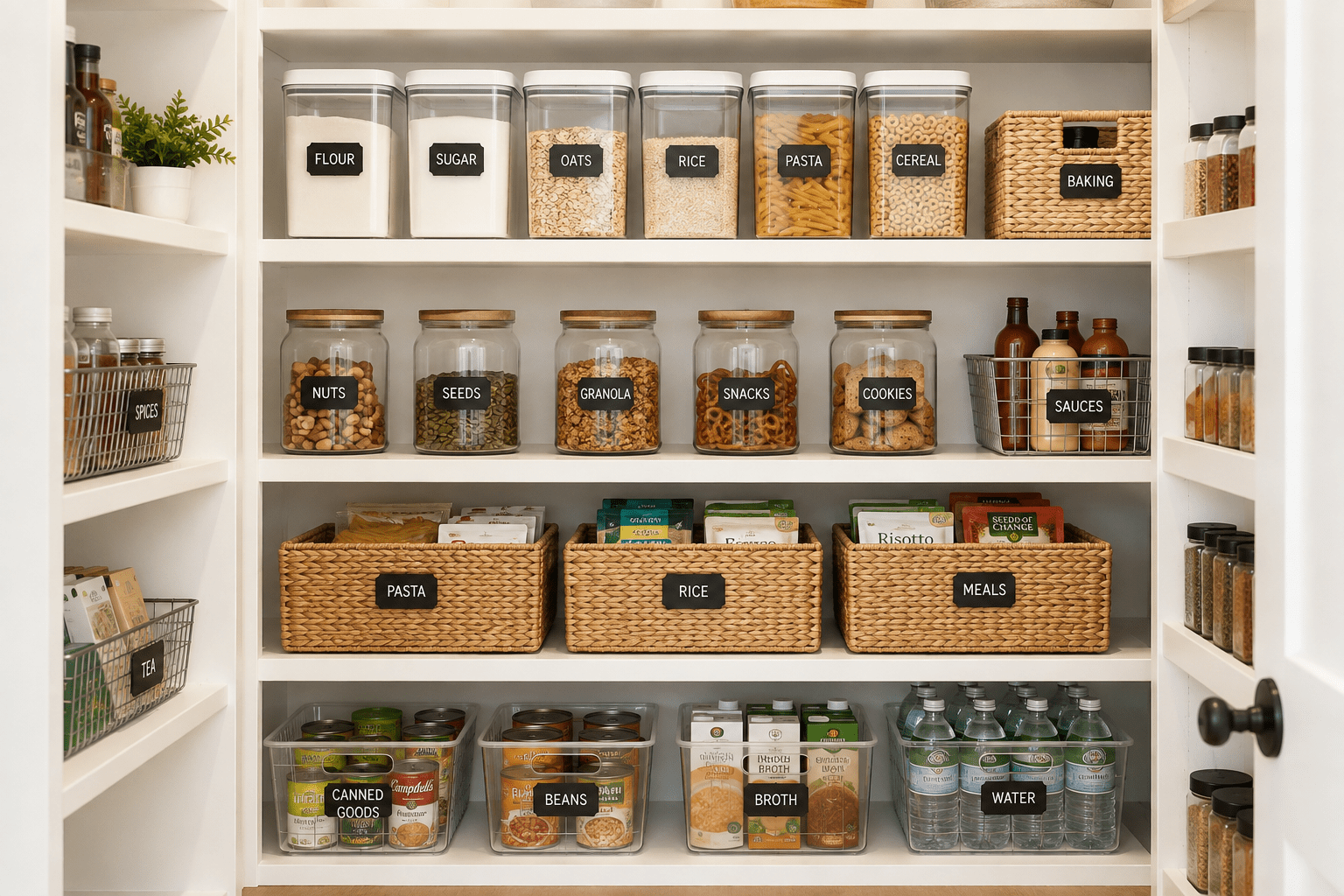
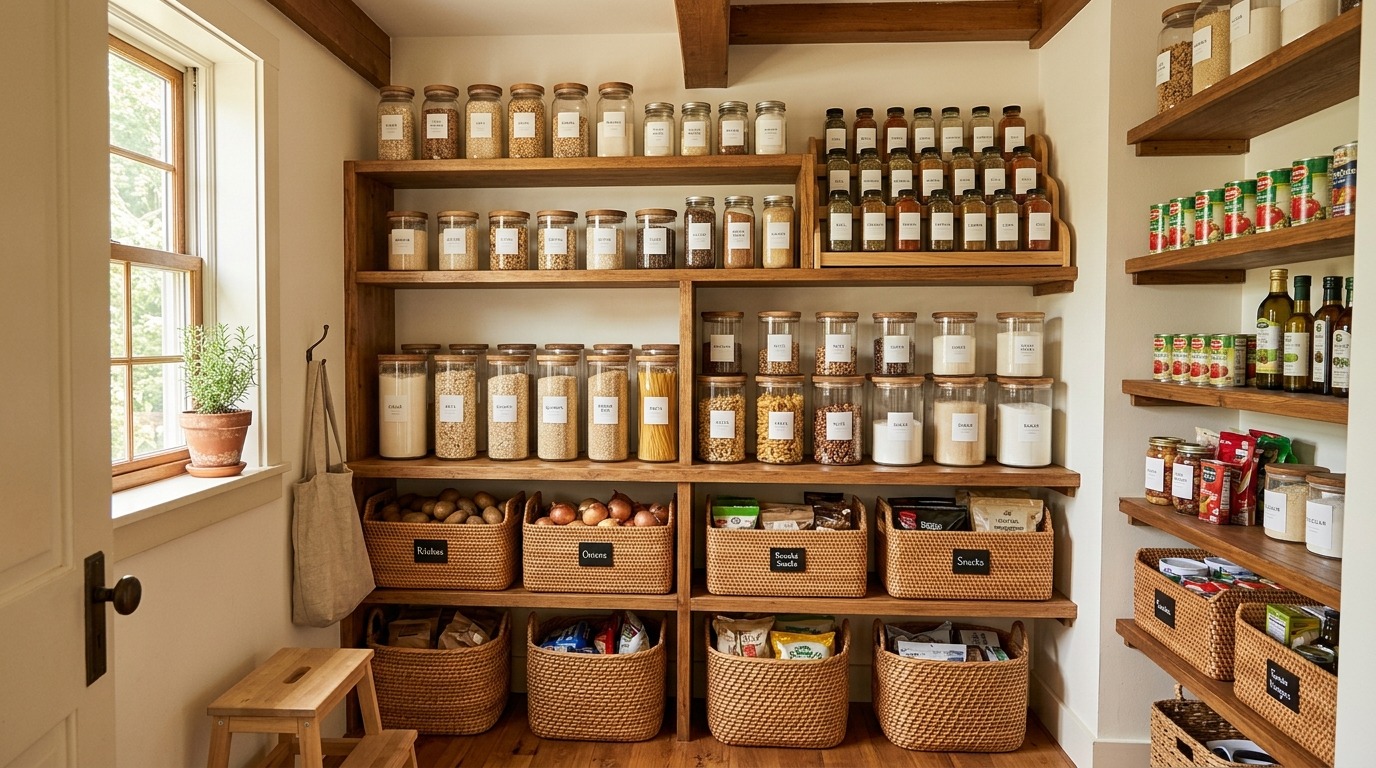
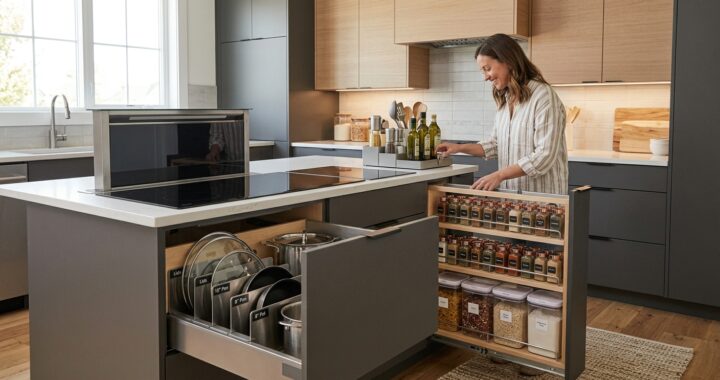
A disorganized Kitchen costs far more than a few annoying minutes searching for a missing utensil. When you cannot tell at a glance what ingredients you already own, what needs to be cooked tonight, or how much food is sitting in the back of your cabinets, every grocery trip turns into guesswork, and weeknight dinners turn into last-minute takeout orders.
According to the United Nations Environment Programme (UNEP), households generate roughly 60% of global food waste, costing an average family hundreds of dollars each year in discarded produce, expired staples, and duplicate purchases. Connecting your kitchen layout directly to how you plan meals, write shopping lists, and prep ingredients stops that weekly money leak without forcing you onto a strict budget diet.
Table of Contents
The Real Weekly Cost of a Disconnected Kitchen
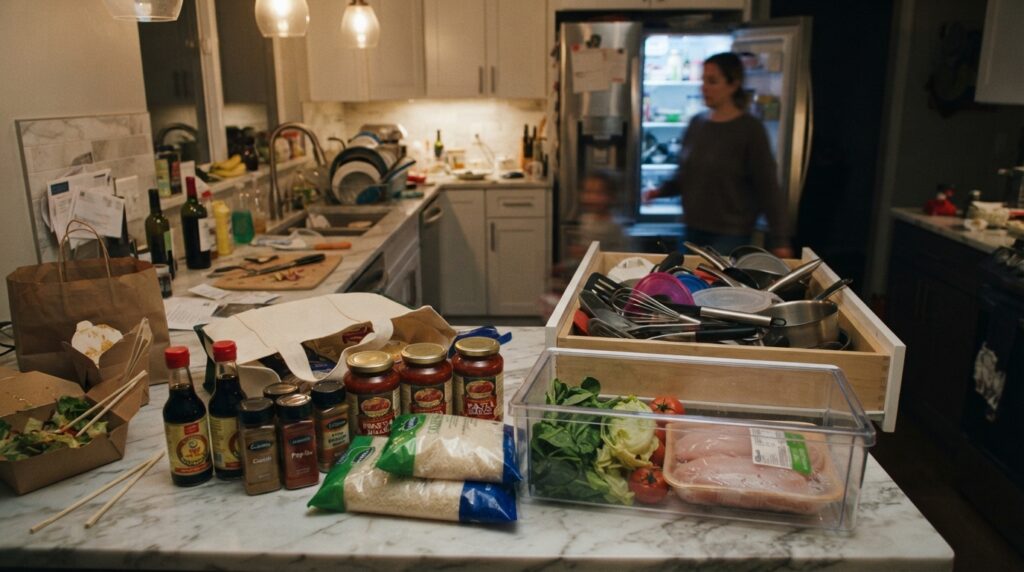
Most families lose money in the kitchen through four predictable weekly habits rather than one big mistake:
| Weekly Kitchen Breakdown | What Actually Happens | Average Weekly Financial & Time Cost |
|---|---|---|
| Shopping Without Checking Stock | Buying extra sauces, grains, spices, or condiments because existing packages are buried | $15–$25 in duplicate groceries |
| No Plan for Perishable Ingredients | Fresh produce and proteins sit unused until they spoil by Friday | $15–$30 in discarded food |
| Unprepped Weeknight Ingredients | Coming home tired to unwashed vegetables and frozen meat triggers last-minute delivery | $40–$65 in impulse takeout meals |
| Hunting Across Disorganized Drawers | Spending 15 extra minutes every evening searching for tools, lids, and pans | 1.5 to 2 hours of lost weeknight time |
Fixing those four bottlenecks typically saves $250 to $400 per month while cutting daily dinner prep down to 25 minutes.
1. Build a Two-Minute “Reverse Shopping List” Before Buying Anything
Most people write a grocery list by thinking about what sounds good to eat, then walking into the store blind. Flipping that order, shopping your own kitchen first, immediately cuts grocery bills by 15% to 20%:
- Check Perishables First: List every fresh vegetable, dairy item, herb, and open protein that needs to be eaten in the next four days.
- Scan Your Base Staples: Glance at rice, pasta, canned beans, broth, and frozen vegetables to see what can pair with those perishables.
- Build Three Dinners Around Existing Stock: Choose three meals built mostly from ingredients you already paid for, then add only the missing supporting items to your shopping list.
- Snap a Quick Photo of Your Fridge and Spice Rack: Taking two photos on your phone before leaving home eliminates accidental double-buying in the grocery aisle.
2. Create a “Dinner-Starter” Zone for Busy Weeknights
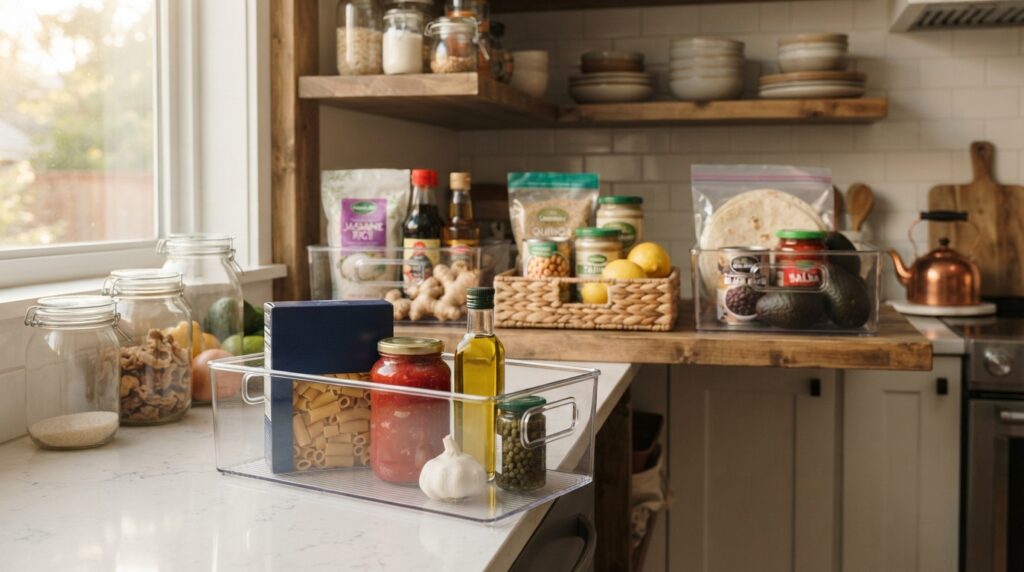
When schedules run late, takeout wins because starting a meal from scratch feels overwhelming. Grouping complete 20-minute meal kits together in one dedicated spot removes that decision fatigue:
| Quick Meal Theme | Core Ingredients Grouped Together | Total Cook Time |
|---|---|---|
| 15-Minute Pantry Pasta | Dried pasta, crushed tomatoes, garlic, olive oil, jarred olives/capers, grated Parmesan | 15 minutes |
| Sheet-Pan Grain Bowl | Quick-cooking quinoa or farro, canned chickpeas, tahini, lemon juice, roasted vegetables | 20 minutes |
| Weeknight Stir-Fry | Jasmine rice, soy sauce, sesame oil, ginger paste, frozen stir-fry vegetables, eggs or tofu | 15 minutes |
| Quick Taco or Burrito Night | Tortillas, canned black beans, salsa, cumin, shredded cheese, avocado | 15 minutes |
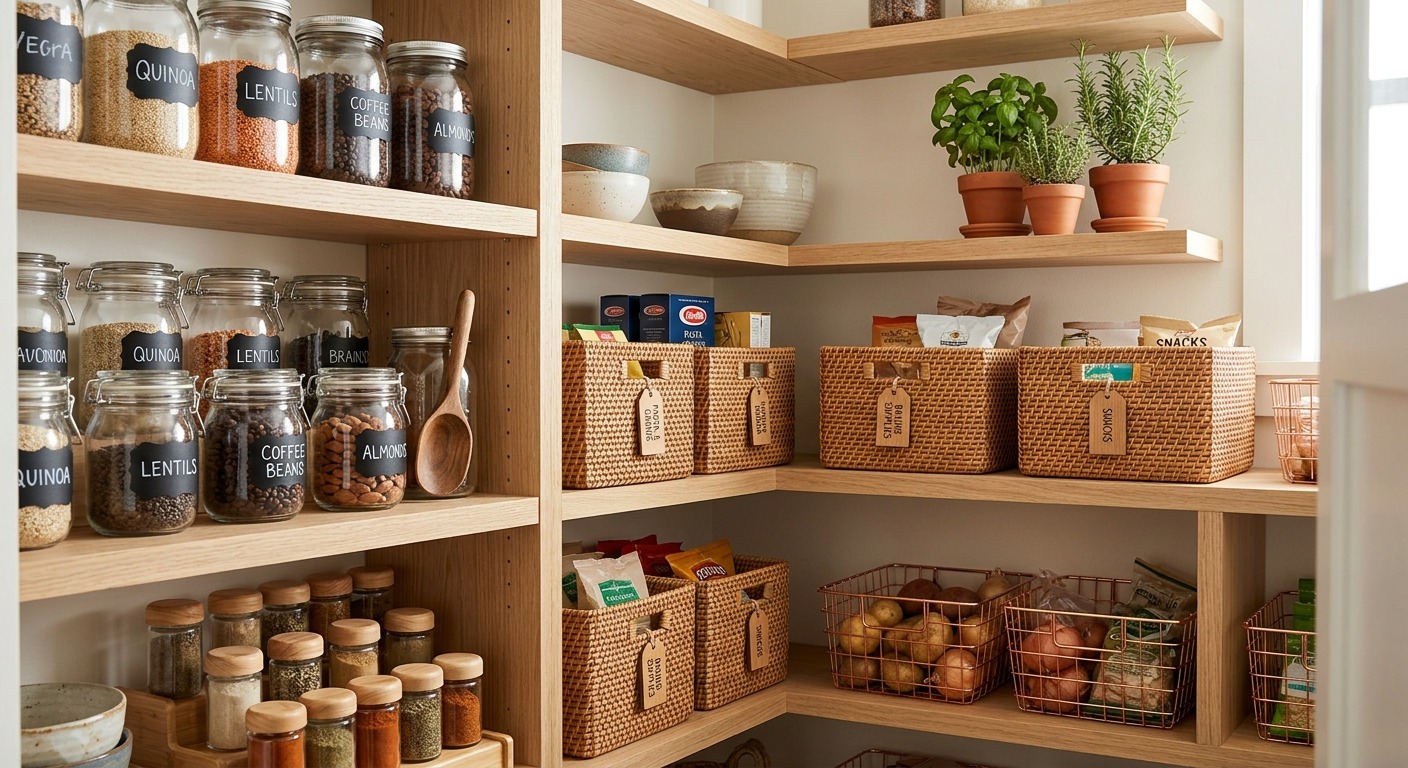
Keeping those core combinations visible means anyone in the household can pull together a balanced dinner without digging through multiple cabinets.
3. Use a 30-Minute Post-Grocery Prep Routine
The smartest way to save time all week is spending 30 minutes right after unpacking groceries doing the repetitive prep work once rather than five separate times:
- Wash and Dry Salad Greens Immediately: Spin lettuce and herbs dry and store them in a paper-towel-lined container so weekday salads take 30 seconds to assemble.
- Cut Hearty Vegetables Into Ready-to-Cook Portions: Slice bell peppers, carrots, celery, and broccoli florets while the cutting board is already out.
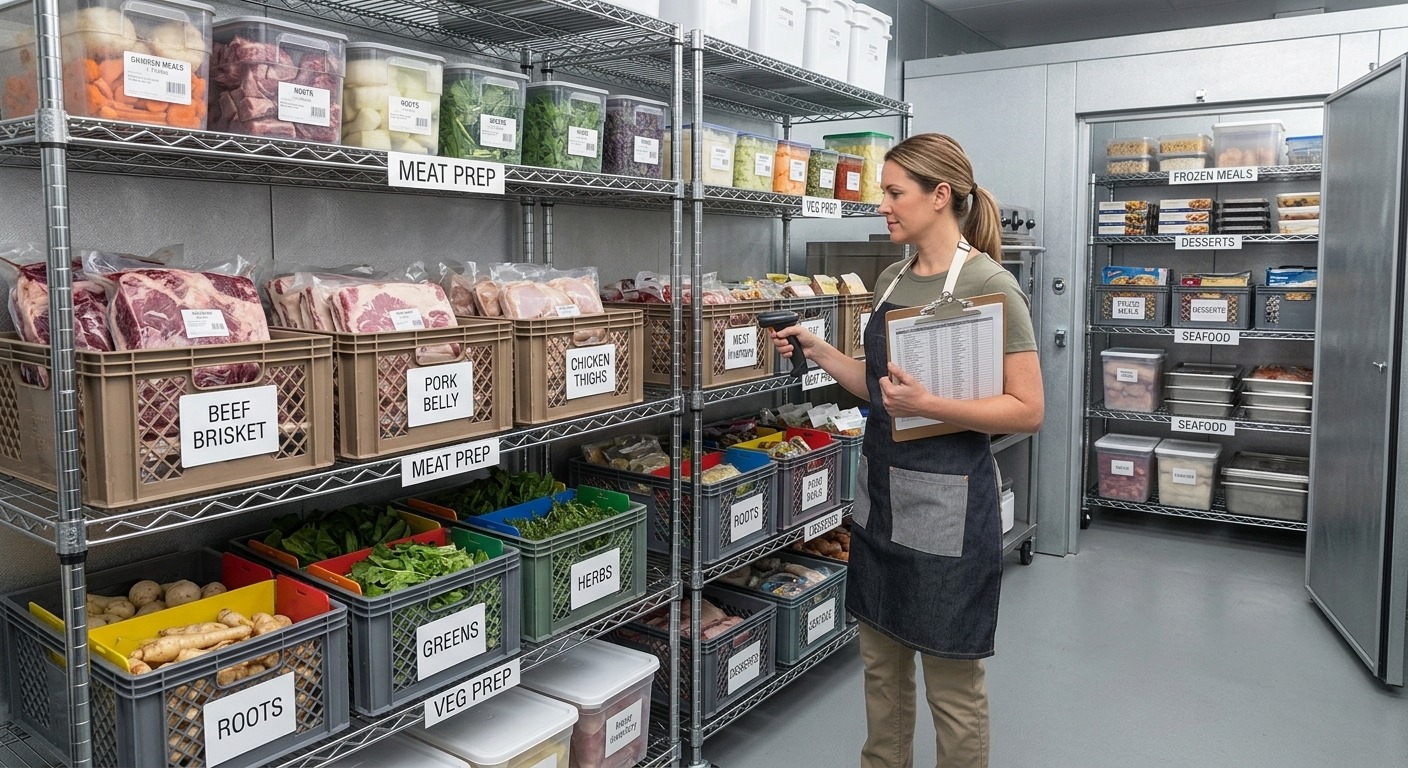
- Portion Bulk Proteins Before Freezing: Divide family packs of chicken breasts, ground beef, or salmon fillets into single-meal freezer bags labeled with weight and date so they thaw evenly in half the time.
- Cook One Batch of Base Grains: Simmering a pot of brown rice, quinoa, or farro on Sunday gives you instant side dishes and lunch bowls through Wednesday.
4. Set Up a Simple “Eat-This-First” Board on the Fridge
Even the best-stocked kitchen wastes food if family members do not know what needs to be eaten first. Stick a small magnetic dry-erase notepad on the refrigerator door divided into two short columns:
- Use First (Next 3 Days): List open broths, leftovers, ripe produce, and thawed meats so everyone sees what to grab for lunch or dinner.
- Out of Stock: Write down staples the exact moment they run out, instead of trying to remember them on Saturday morning.
5. Run a Weekly 15-Minute Kitchen Reset Before Grocery Day
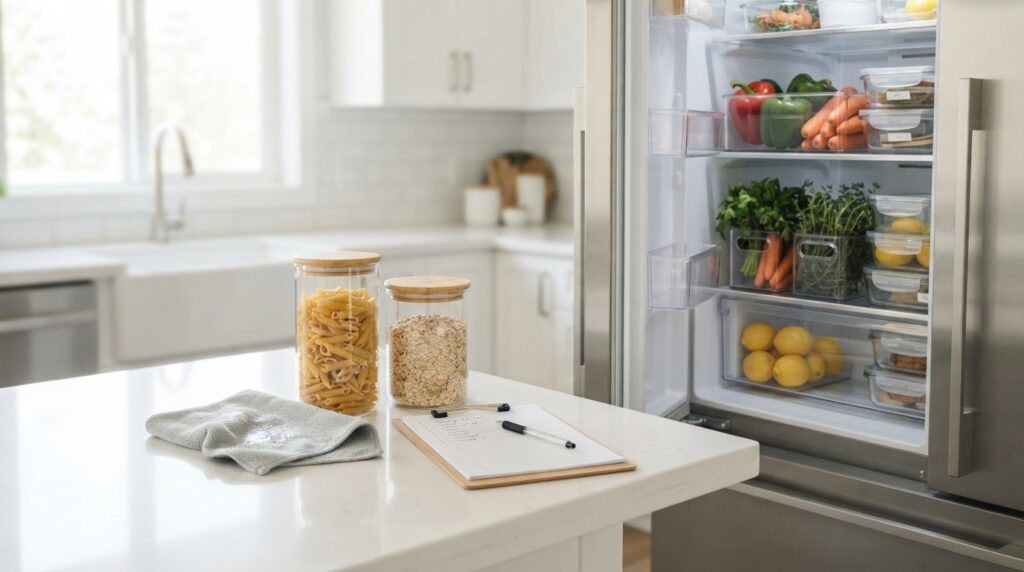
Consistency beats occasional deep-cleaning marathons. Pair a short 15-minute reset with your weekly shopping routine:
| Reset Step | Time Needed | Practical Action |
|---|---|---|
| 1. Clear & Wipe Prep Counters | 3 minutes | Remove stray mail, chargers, and appliances not used daily |
| 2. Audit Perishables & Leftovers | 4 minutes | Discard anything past safe storage limits and move older items to the front |
| 3. Consolidate Open Packages | 4 minutes | Combine duplicate bags of pasta, snacks, or grains so you see true quantities |
| 4. Finalize the Categorized List | 4 minutes | Group needed items by supermarket aisle (produce, dairy, pantry, frozen) |
When your Kitchen Workflow connects inventory visibility, post-grocery prep, and meal planning into one simple weekly rhythm, grocery bills drop predictably, and cooking at home stops feeling like a daily chore.