The Ultimate Guide to Choosing a Premium Wooden Cutting Board
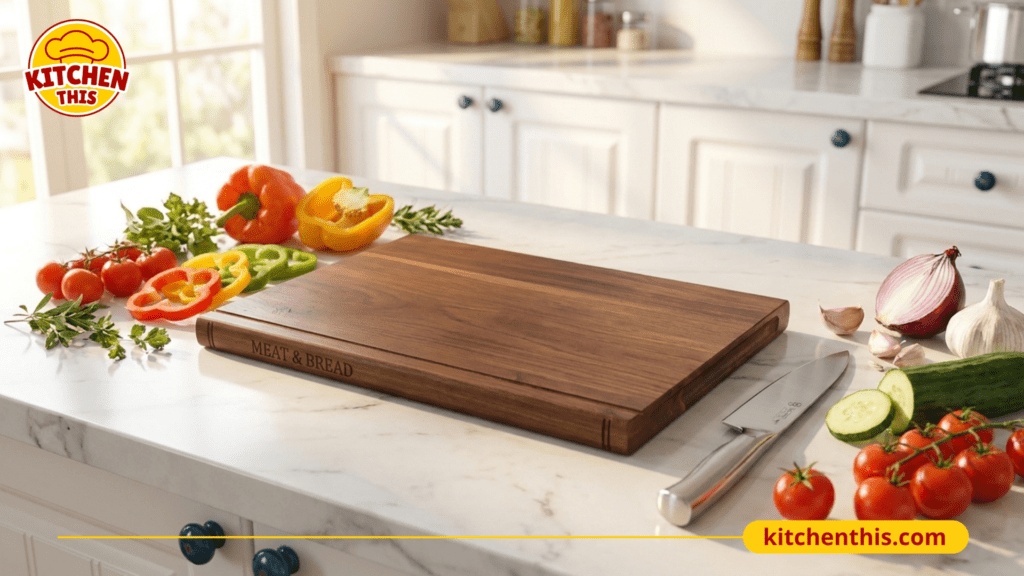
A reliable cutting board is one of the few kitchen tools you reach for every single day, yet thin plastic mats and warped boards quickly dull knife blades and slide around the counter while you chop. Upgrading to a sturdy hardwood board gives you a stable, knife-friendly prep surface that speeds up daily meal prep and doubles as an attractive serving platter for family meals or weekend hosting.
Here is a practical look at what sets a well-built wooden board apart, how to care for it so it lasts for years, and what stands out about the MIYORK Book-Shaped Wooden Cutting Board Set.
Table of Contents
How the Right Prep Surface Protects Your Knives and Saves Time in the Kitchen
Why a Sturdy Wooden Cutting Board Matters in Everyday Cooking
Investing in a well-made wooden cutting board gives you a stable, spacious, and knife-friendly surface for daily meal prep. Flimsy plastic mats or thin boards warp easily, slide across the countertop, and dull sharp knife edges far faster than solid hardwood, turning simple chopping tasks into a slower, less safe routine.

A heavier, well-balanced board stays firmly planted on the counter while you slice, dice, or carve, letting you work faster and with better control. Beyond everyday prep, attractive hardwood designs like the MIYORK Book-Shaped Wooden Cutting Board serve a practical dual purpose: durable enough for daily chopping in the kitchen, yet clean and decorative enough to bring straight to the table as a serving platter for charcuterie, bread, or family gatherings.
If you want to check current pricing, dimensions, and availability, you can view the Premium Kitchenware Collection and Secure Your Board Here.
Wooden vs. Plastic, Glass, and Bamboo Cutting Boards
Different cutting board materials affect how quickly your knives lose their edge, how easy cleanup is after cooking, and how long the board lasts. In 2026 kitchen-gear roundups from outlets like Food & Wine and Forbes Vetted, thick hardwood boards, such as the classic John Boos Maple R-Board, consistently rank at the top for daily prep durability and blade protection.
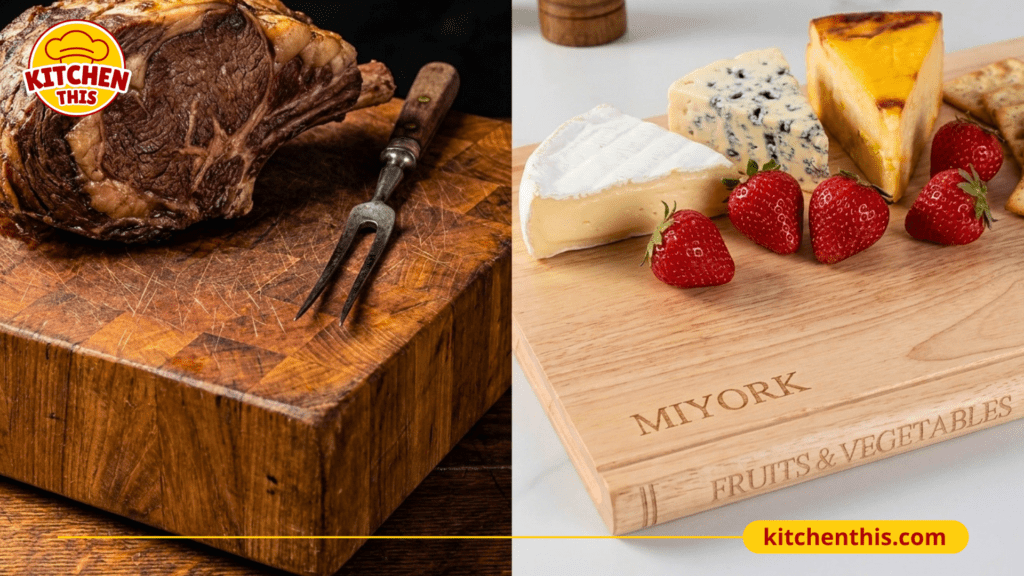
Here is how solid hardwood compares to other common cutting board materials in everyday home cooking:
| Board Style | Primary Function | Material & Knife Friendliness | Best Food Types | Best Kitchen Fit |
|---|---|---|---|---|
| MIYORK Book-Shaped Board | Everyday light prep and table serving | Smooth hardwood with contoured book-style edges; gentle on knife blades | Cheeses, charcuterie, bread, sliced fruit, and appetizer spreads | Home cooks who want a dual-purpose board for prep, hosting, and picnics |
| Traditional Butcher Block | Heavy-duty chopping, mincing, and carving | Thick end-grain or edge-grain hardwood; absorbs blade impact well | Large roasts, whole poultry, squash, and dense root vegetables | Cooks who want a heavy, stationary board for intensive daily prep |
| Standard Plastic Prep Board | Quick prep and raw protein handling | Lightweight BPA-free polypropylene; more prone to deep knife grooves | Raw chicken, raw fish, and pungent foods like garlic or onions | Busy households needing a lightweight, dishwasher-safe secondary board |
What to Look for Before Buying a Wooden Cutting Board
Choosing a wooden cutting board that holds up to daily Cooking comes down to four practical factors, size, wood type, construction quality, and kitchen cleanup:
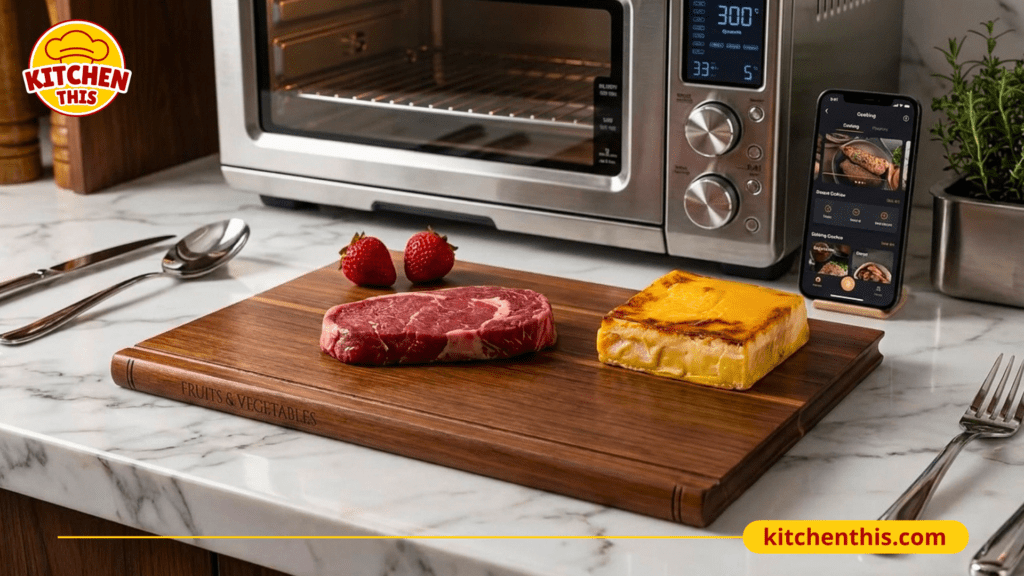
Generous Surface Area and Thickness: A larger board gives you room to chop onions on one side while pushing diced herbs or vegetables to the other, saving you from constantly reaching for extra prep bowls. Look for a board at least 0.75 to 1.5 inches thick so it resists warping over time and stays heavy enough not to slide on the counter.
Knife-Friendly Hardwood: Dense, closed-grain hardwoods such as maple, walnut, cherry, or acacia absorb blade impact cleanly without dulling your chef’s knife, unlike ultra-hard bamboo or glass boards. Pair your wooden board with a lightweight, BPA-free plastic board specifically for raw poultry or fish to keep cleanup simple and prevent cross-contamination.
Built-In Juice Grooves and Dual-Purpose Edges: If you regularly slice juicy tomatoes, watermelon, or roasted meats, a recessed juice groove keeps liquids from spilling onto your countertop. Smooth, contoured edges, like the book-shaped design on the MIYORK board, also make it easy to lift the board and carry it straight to the table as a serving platter.
Easy Oiling and Maintenance: Unfinished or lightly oiled hardwood is much easier to maintain long-term than glossy lacquered boards, which chip and peel once a knife cuts through the coating. A quick wipe with food-grade mineral oil every few weeks keeps natural wood hydrated and resistant to moisture.
A Closer Look at the MIYORK Book-Shaped Wooden Cutting Board
The MIYORK Book-Shaped Wooden Cutting Board combines everyday prep functionality with a contoured, book-inspired silhouette designed to look at home on both a kitchen counter and a dining table. Rather than hiding your prep board inside a cabinet after cooking, you can carry it directly to the table as a serving platter for bread, cheese, sliced fruit, or appetizers.
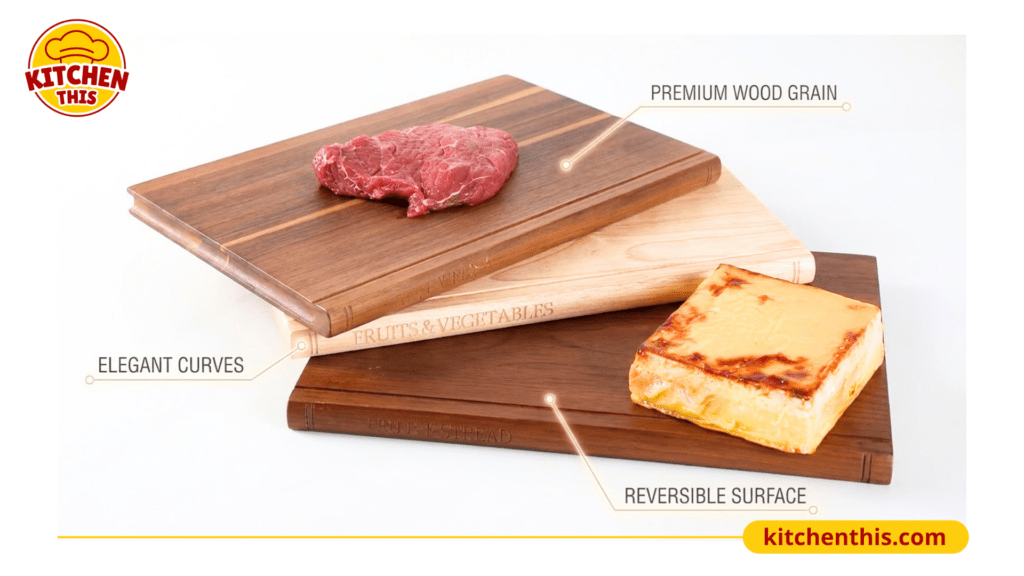
Key Features of the MIYORK Cutting Board
- Knife-Friendly Hardwood Construction: Built from dense, smooth-grained hardwood that absorbs blade impact cleanly without prematurely dulling your chef’s knife.
- Contoured Book-Shaped Profile: Smoothly rounded edges make the board comfortable to grip, lift, and carry from the kitchen counter to the dining table or outdoor picnic setup.
- Reversible Double-Sided Design: Lets you use one side for everyday slicing and chopping, then flip the board over to a clean, unmarked surface when serving guests.
- Balanced Weight for Kitchen and Travel: Heavy enough to stay steady while slicing vegetables or bread on the counter, yet slim and light enough to pack easily for picnics, camping trips, or casual entertaining.
How to Use and Care for a Wooden Cutting Board
Proper care keeps a wooden cutting board flat, hygienic, and free of cracks for years. Unlike plastic boards, natural wood reacts to extreme heat and standing water, so a few simple habits during prep and cleanup make all the difference.
Everyday Prep Habits
- Stabilize the Board on Slick Countertops: Even a sturdy wooden board can shift on smooth granite or quartz. Place a slightly damp dish towel or paper towel flat underneath the board before chopping so it stays locked in place.
- Use a Smooth Slicing Motion: Let the sharp edge of your chef’s knife glide across the wood using a controlled rocking motion rather than heavy downward chopping, which leaves deep grooves that are harder to clean.
Cleaning and Monthly Oiling
- Wash by Hand Only: Never put a wooden board in the dishwasher, high heat, steam, and harsh detergents will warp or split the wood. Wash it promptly after use with warm water, a small drop of mild dish soap, and a soft sponge.
- Dry Immediately With a Towel: Wipe both sides dry with a clean kitchen towel right after rinsing, and stand the board upright on its edge so air circulates evenly around both faces. Never leave it soaking in the sink.
- Deodorize With Lemon and Coarse Salt: To remove lingering garlic or onion odors, sprinkle coarse kosher salt over the board, scrub the surface with the cut side of half a lemon, rinse briefly with warm water, and towel-dry right away.
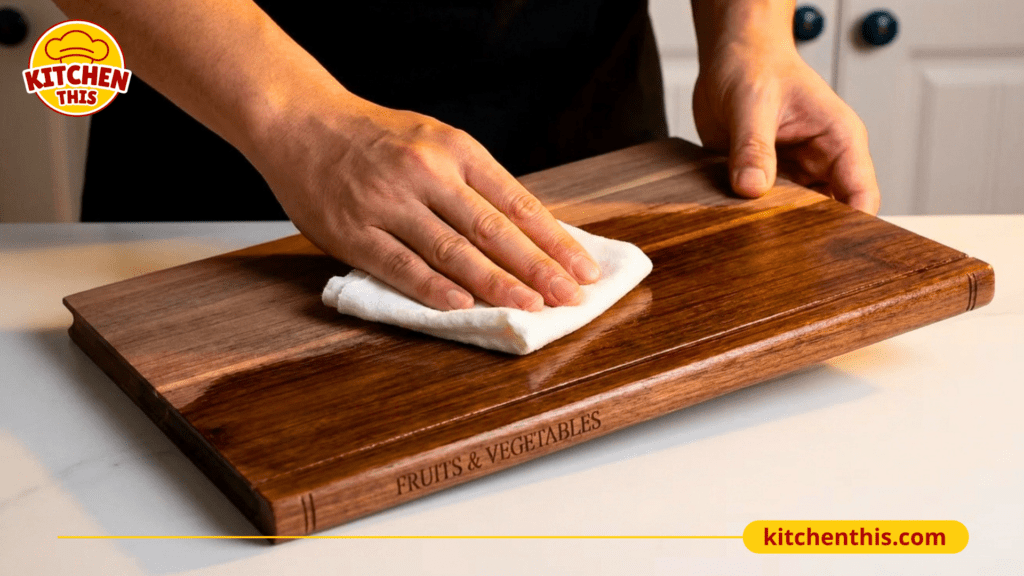
- Season With Food-Grade Mineral Oil: Once a month, or whenever the wood looks dry or pale, rub a thin coat of food-grade mineral oil or beeswax board conditioner into the surface with a soft cloth. Let it absorb for several hours or overnight, then buff off any excess. (Avoid olive or vegetable oil, which can turn sticky and rancid over time.)
Bringing a Dual-Purpose Wooden Board Into Your Daily Routine
A well-proportioned wooden board simplifies everyday cooking by giving you one spacious, reliable prep surface instead of juggling multiple small mats across the counter. On a busy weeknight, you have plenty of room to chop vegetables, mince garlic, and slice fresh herbs in one place, cutting down on extra prep bowls and speeding up cleanup afterward.
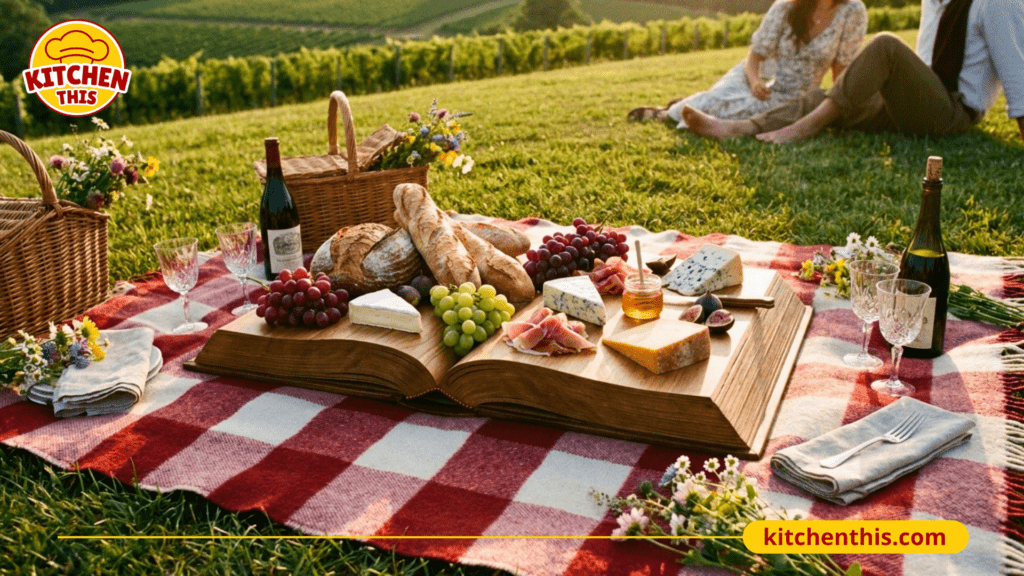
Beyond daily meal prep, a reversible, contoured design like the MIYORK Book-Shaped Wooden Cutting Board transitions easily from the counter to the table. You can prep ingredients on one side, flip the board over, and serve bread, cheeses, or sliced fruit directly to guests at dinner or pack it for an outdoor weekend picnic.
If you want to check current pricing, dimensions, and availability, you can view the MIYORK Book-Shaped Wooden Cutting Board listing directly here.
Why Upgrading Your Cutting Board Pays Off Every Day
Switching from thin plastic mats to a solid hardwood cutting board is one of the simplest upgrades you can make to improve how your kitchen feels during daily meal prep:
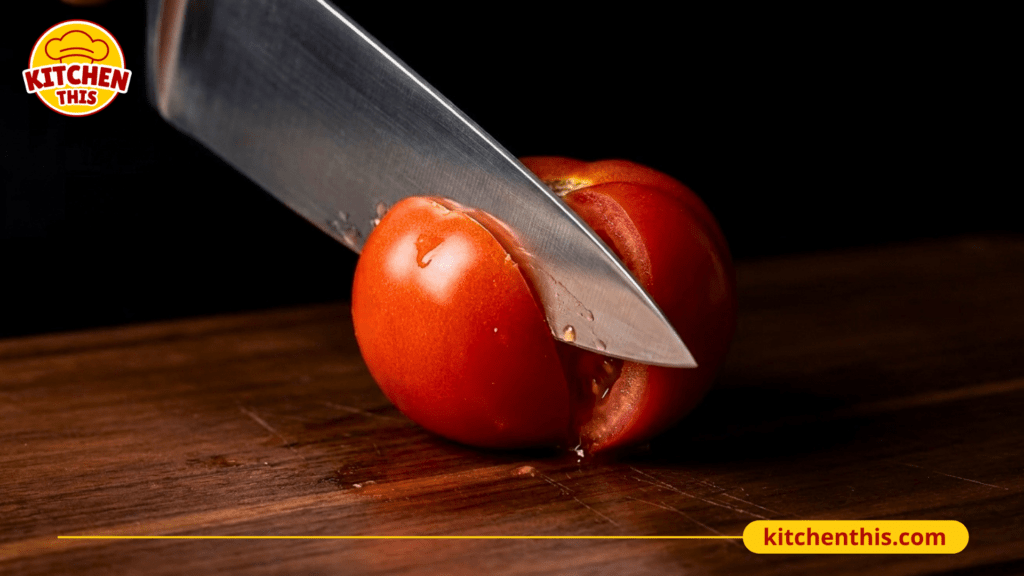
Protects Your Knife Edges: Dense hardwood fibers absorb blade contact gently, helping your chef’s knives stay sharper much longer between sharpenings.
Stays Steady on the Counter: A heavier, solid wood board stays firmly in place while you chop, slice, and mince, making fast prep safer and more controlled.
Replaces Warped Plastic Clutter: One well-built board holds up for years without curling or scarring like thin mats, while adding natural warmth to your countertop.
Doubles as a Serving Platter: Reversible, contoured designs let you prep ingredients on one side and bring bread, cheese, or fruit straight to the table on the other.
When your everyday prep surface is stable, spacious, and easy to maintain, weeknight cooking runs smoother and cleanup takes half the effort.
Quick Kitchen Setup Tips for Faster Everyday Prep
Once you have a sturdy wooden cutting board, where you keep it and how you set up your counter makes a noticeable difference during busy weeknights:
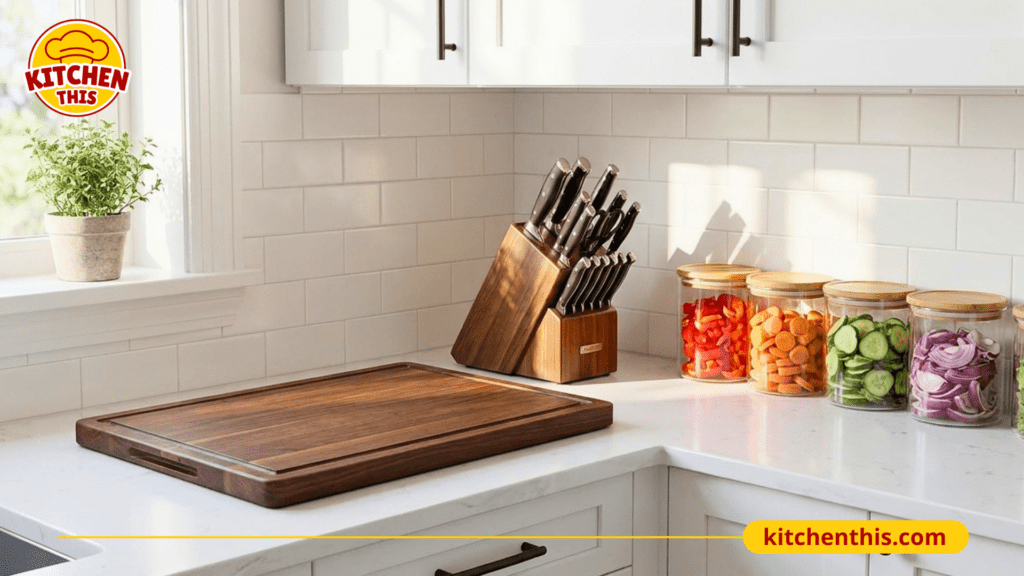
Keep One Main Board on the Counter: Instead of digging through a crowded cabinet for half a dozen thin plastic mats, let one well-sized wooden board live permanently on your counter. It frees up drawer space and is always ready the moment you start prepping dinner.
Set Up a Dedicated Prep Triangle: Place your cutting board near your stove, keep your everyday chef’s knife within arm’s reach, and slide a small compost bowl or trash bin right beside your prep area so you can sweep peels and scraps away in seconds.
Batch-Chop Vegetables Ahead of Time: Take advantage of the wider surface area on Sunday afternoons to wash and dice staple ingredients, like onions, bell peppers, celery, and carrots, into clear, airtight containers. Having prepped vegetables ready in the fridge cuts weeknight dinner prep in half.
A well-placed board, a sharp knife, and a clear workspace turn daily meal prep into a smoother, far less stressful routine.