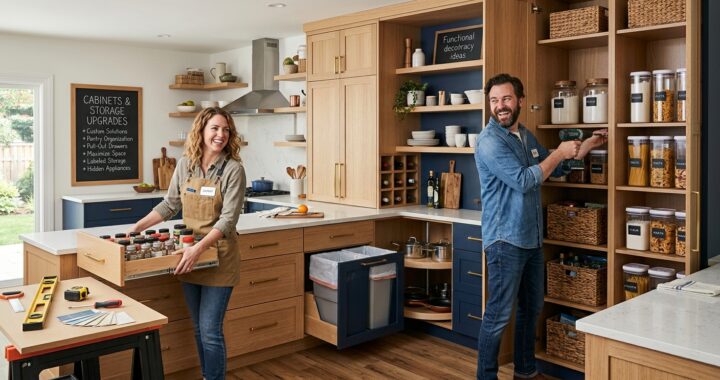
Smart Kitchen Cabinet Planning: How to Design Better Storage Before Choosing Finishes
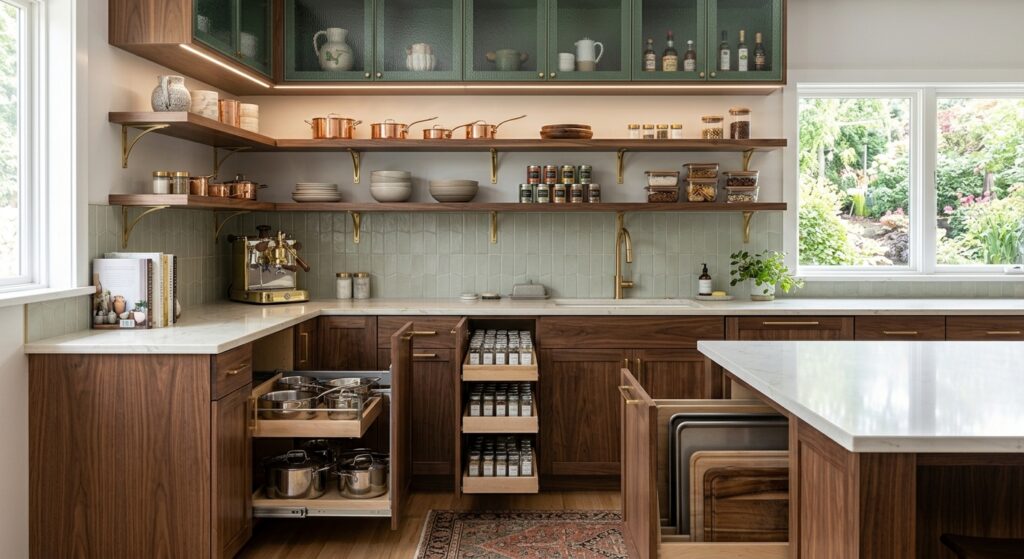
The most successful kitchen cabinet upgrades do far more than refresh the room’s appearance—they make everyday cookware, pantry staples, and heavy appliances easier to reach, organize, and put away. Putting interior storage function ahead of decorative door styles prevents one of the most common renovation regrets: spending thousands on handsome cabinetry that still wastes corner space, forces you to kneel to reach the back of deep lower shelves, or leaves awkward gaps around trays and spices.
Starting with a clear audit of how your current storage works—and designing the interior layout before selecting finishes—keeps your renovation budget focused on upgrades you actually use every day.
Step 1: Audit Your Current Cabinets Before Looking at Door Styles
Before browsing cabinet catalogs or showroom displays, measure the interior reality of your existing kitchen. Recording actual interior dimensions—not just exterior cabinet widths—reveals where space is being wasted and prevents ordering inserts or pull-outs that collide with hinges or door frames.
| What to Measure & Audit | Specific Details to Record | Why It Matters for Planning |
| Cabinet Boxes | Interior width, depth, height, and structural condition | Determines whether boxes can be refaced/retrofitted or need full replacement |
| Shelves | Shelf depth, spacing, and whether pin holes are adjustable | Highlights dead vertical air space above short items like mugs or spice jars |
| Drawers | Usable interior width, depth, and slide extension length | Helps size utensil dividers, knife blocks, and deep pot drawers accurately |
| Doors & Swing Paths | Hinge side, opening angle, and clearance near walls or appliances | Prevents pull-out trays from scraping against open cabinet doors or handles |
| Corner Cabinets | Blind-corner reach depth or lazy-Susan opening width | Identifies hard-to-reach dead zones that need specialized corner hardware |
Taking quick photos of your open cabinets before demolition also gives you a reliable visual checklist when reviewing layouts and quotes with your cabinetmaker or contractor.
Step 2: Match Interior Storage Hardware to Specific Problems
Deep lower cabinets are notoriously awkward because items pushed to the back disappear out of sight. Thoughtfully chosen interior hardware brings contents forward to you—provided the hardware matches the exact dimensions of the cabinet box.
| Cabinet Storage Challenge | Practical Hardware Upgrade | Key Detail to Check Before Ordering |
| Deep Base Cabinets | Full-extension roll-out trays or deep pot drawers | Confirm interior depth and ensure cabinet doors open past 90 degrees so trays clear the hinges |
| Narrow or Deep Pantry | Pull-out larder racks or heavy-duty roll-out shelves | Verify weight rating per slide (aim for 75–100 lb full-extension slides for canned goods) |
| High Upper Wall Cabinets | Pull-down upper shelving mechanisms | Check interior height clearance and weight limits for dishes or glassware |
| Hard-to-Reach Corner Boxes | Kidney-shaped swing-out trays or full-access corner drawers | Measure exact cabinet opening width and adjacent appliance handle projection |
Resist the temptation to fill every cabinet with specialty gadgets. Every built-in wooden divider or spice rack takes up interior width of its own; leaving a little open breathing room makes cabinets calmer and far easier to keep tidy.
Measure the Drawer Before Buying Organizers
Always wait until final interior drawer dimensions are confirmed before buying cutlery trays, plate pegs, or spice inserts. Adjustable dividers work particularly well because they let you reconfigure compartments as your cookware collection changes over time.
Step 3: Verify Cabinet Box Materials and Low-Emission Certifications
Cabinet boxes are commonly built from furniture-grade plywood, medium-density fiberboard (MDF), or industrial particleboard. Rather than relying on vague showroom labels like “eco-friendly” or “low-emission,” ask your supplier for documented material specifications:
- Confirm Composite Wood Compliance: In the United States, regulated hardwood plywood, MDF, and particleboard used in cabinetry must comply with EPA TSCA Title VI formaldehyde emission standards and carry proper third-party certification labeling. (If you are renovating outside the U.S., verify the equivalent regional emission standard.)
- Compare Box Construction Details: Ask whether cabinet boxes use ½-inch or ¾-inch plywood sides, solid wood dovetail drawer boxes, and soft-close undermount glides rather than basic side-mount rollers.
| Question for Your Cabinet Supplier | Documentation to Request |
| What core material is used for boxes and shelves? | Written product specification sheet detailing plywood, MDF, or particleboard thickness |
| Does the composite wood meet emission standards? | TSCA Title VI compliance statement or recognized third-party certifier details |
| What drawer boxes and slides are standard? | Hardware brand, weight rating, and full-extension soft-close specification |
Step 4: Compare Cabinet Quotes Line by Line
Two cabinet proposals with similar total prices can include very different levels of interior hardware and installation work. Ask every supplier or contractor to break down their quote using the same clear categories:
- Box Construction and Door Style: Exact box material, door material, and interior finish (natural maple veneer vs. white melamine).
- Interior Storage Hardware: Which cabinets include roll-out trays, deep drawers, trash pull-outs, or corner mechanisms—and which only include standard fixed or adjustable shelves.
- Finishes, Trim, and Decorative Panels: Crown molding, toe-kicks, light rails, and finished end panels for exposed cabinet sides.
- Delivery and Installation Scope: Who handles old cabinet removal, wall leveling, installation labor, and hardware adjustment.
A Simple Sequence for Stress-Free Cabinet Decisions
Following a logical order keeps every decision grounded in daily usability:
- Measure the existing kitchen and document appliance and window clearances.
- Audit storage pain points to decide where drawers, pull-outs, and tall pantry storage are needed most.
- Finalize the cabinet layout and interior hardware specifications.
- Verify material documentation and compare complete itemized quotes.
- Select door profiles, colors, and exterior pulls that complement your countertops and backsplash.
When every drawer, shelf, and pull-out has a clear purpose tailored to what you actually store, your finished kitchen looks refined on the outside and works effortlessly every time you cook.