Smart Ways to Make More Room
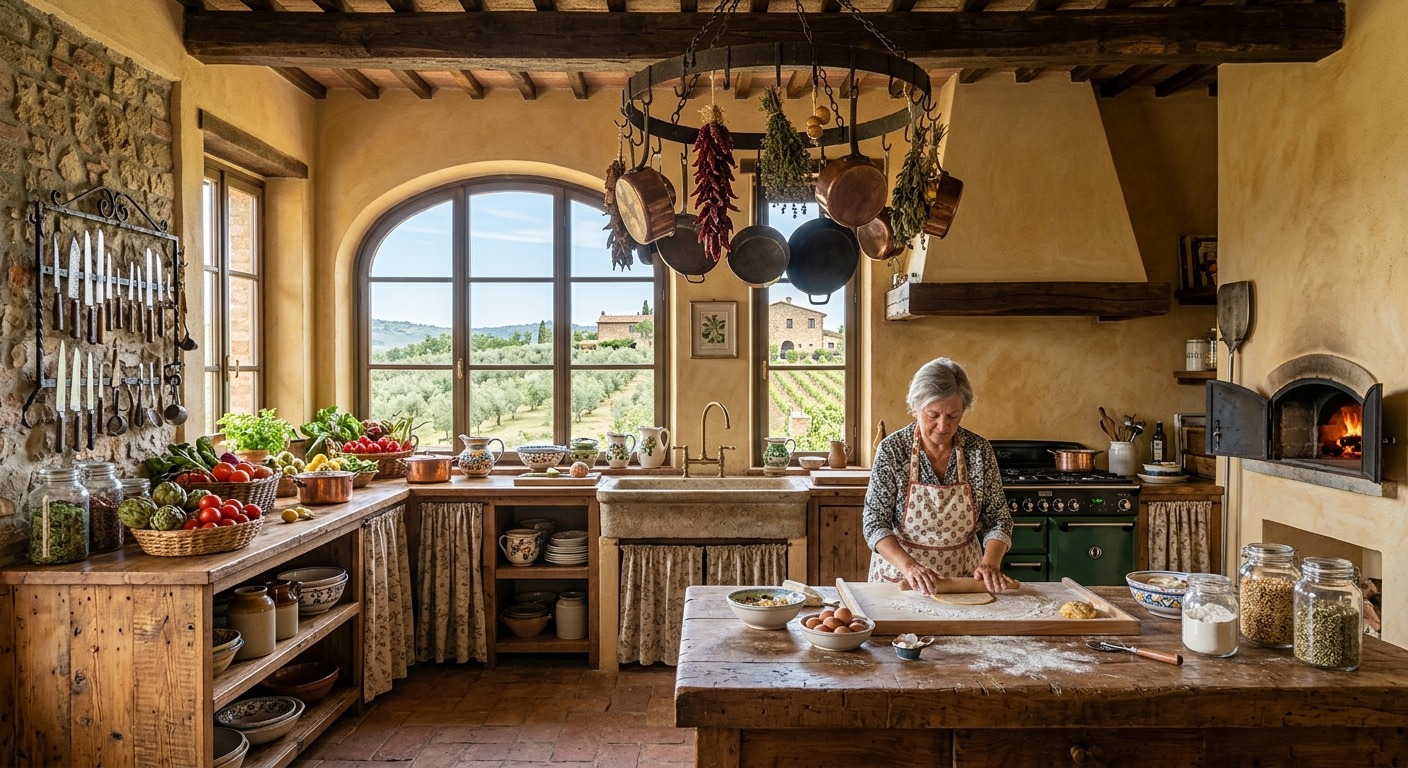
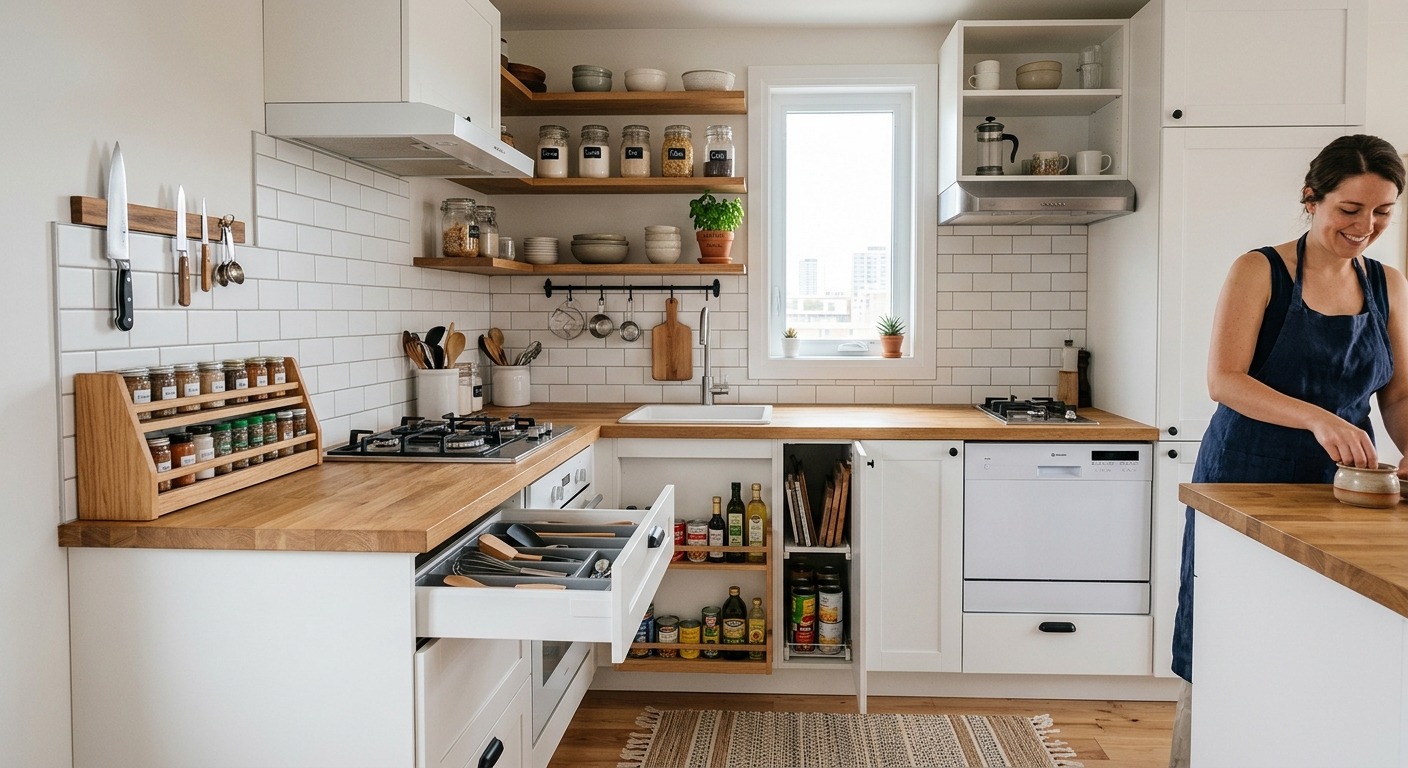
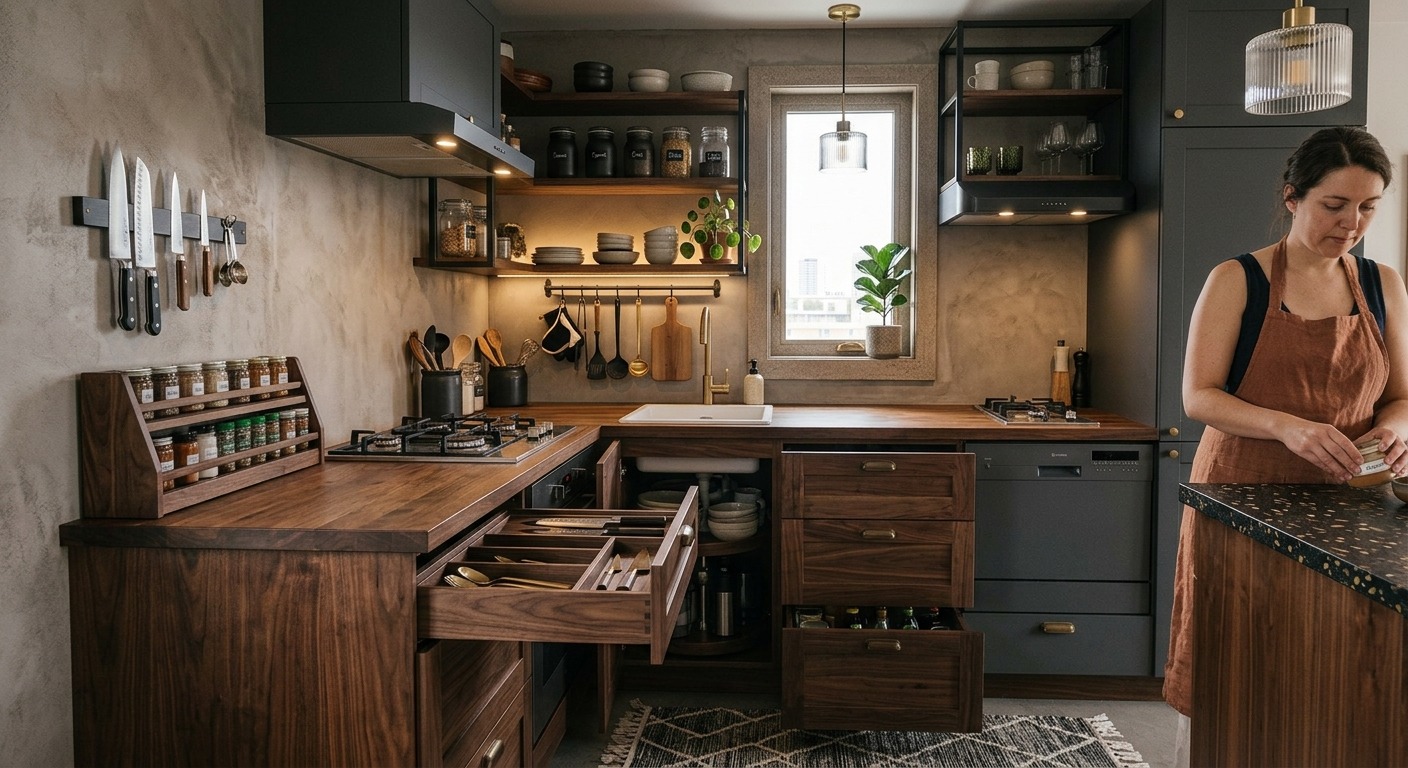
A small kitchen can work surprisingly well when everything has a place and the available space is used wisely.
You don’t always need a bigger kitchen. Often, you need better storage, fewer unnecessary items, and a layout that makes everyday tasks easier.
That is where smart kitchen organization comes in.
Instead of trying to squeeze another cabinet or shelf into every empty spot, start by looking at the storage you already have.
A few simple changes can make cabinets easier to access, counters less crowded, and awkward corners far more useful.
Start With the Space You Already Have
Before buying organizers, take a good look at your kitchen.
Open the cabinets, empty a few drawers, and check the spaces you rarely use.
You may find that the problem isn’t a lack of storage after all.
Instead, some of the available space may simply be difficult to access or poorly organized.
The National Kitchen & Bath Association considers kitchens under 150 square feet to be small. NKBA guidance
That doesn’t mean a kitchen under that size has to feel cramped.
Good organization can make a meaningful difference without changing the entire room.
A useful starting point is to separate your kitchen storage into a few clear groups.
| Storage area | What to consider |
|---|---|
| Cabinets | Pots, pans, dishes, and larger items |
| Drawers | Utensils and smaller kitchen tools |
| Walls | Frequently used lightweight items |
| Countertops | Only things used regularly |
Once you know what you already have, it becomes much easier to see what is actually missing.
And that can save you from buying organizers you don’t really need.
Make the Most of Vertical Space
When floor space is limited, look up.
Walls and tall cabinets can provide useful storage without taking away valuable working space.
However, don’t cover every available wall with shelves.
Too much open storage can make a small kitchen feel crowded, especially when everything is left on display.
Instead, use vertical space selectively.
A narrow shelf, a wall-mounted rail, or a tall cabinet can sometimes solve a storage problem without making the room feel packed.
The NKBA recommends approaches such as high pantry cabinets, pullout shelves, rotating inserts, and tilt-out bins when planning storage for smaller kitchens. NKBA small-kitchen guidance
The key is choosing the right solution for the space you actually have.
For example, a narrow vertical cabinet may be more useful than a wide shelf that sticks too far into the room.
Turn Deep Cabinets Into Easier Storage
Deep cabinets can be useful, but they often hide the things stored at the back.
You know the problem: something disappears behind three other items, and suddenly you have to move half the cabinet just to reach it.
Pullout shelves can make these cabinets easier to access.
Rotating inserts can also help with certain corner cabinets.
The NKBA includes both pullout shelves and rotating inserts among storage approaches for small kitchens. NKBA small-kitchen guidance
| Cabinet problem | Possible solution |
|---|---|
| Deep base cabinet | Pullout shelf |
| Difficult corner | Rotating insert |
| Tall, narrow cabinet | Vertical shelving |
| Crowded under-sink area | Separate bins |
Still, don’t assume every cabinet needs an expensive accessory.
Sometimes moving frequently used items toward the front is enough.
The best storage solution is usually the one that makes the cabinet easier to use without adding unnecessary complexity.
Give Every Cabinet a Clear Purpose
One of the easiest ways to make a small kitchen feel chaotic is to store similar things in several different places.
Instead, give each cabinet or drawer a general purpose.
Keep everyday dishes together.
Keep cookware together.
Keep food-storage supplies in one area.
Then, keep less frequently used equipment somewhere that doesn’t interfere with your daily routine.
You don’t need a complicated labeling system.
You simply need to know where things belong.
| Category | Suggested storage priority |
|---|---|
| Everyday dishes | Easy to reach |
| Frequently used utensils | Nearby drawer |
| Cookware | Accessible lower cabinet |
| Occasional equipment | Less convenient storage |
When I organize a kitchen, I find that this step often makes the biggest difference.
Once everything has a sensible home, putting things away becomes much easier.
Use Cabinet Doors for Extra Storage
Cabinet doors are easy to overlook.
Yet they provide another surface for small, lightweight items.
Slim organizers can sometimes be attached to the inside of cabinet doors, depending on the cabinet construction and available clearance.
Before installing anything, measure the space carefully.
The organizer needs enough room to close properly without hitting shelves or other items.
This is one of those areas where measuring first can save a lot of frustration later.
| Cabinet door area | Possible storage |
|---|---|
| Pantry door | Slim storage rack |
| Cleaning cabinet | Small supply organizer |
| Base cabinet door | Lightweight accessories |
| Upper cabinet door | Thin storage solution |
Don’t overload the doors, though.
A storage solution that makes the cabinet difficult to close isn’t really saving space.
Give Awkward Corners a Better Job
Kitchen corners can be frustrating.
They often become the place where things get pushed aside and forgotten.
Instead of treating every corner like ordinary cabinet space, look for a solution that matches its shape.
A rotating insert can improve access inside some corner cabinets.
Alternatively, narrow shelving can make an awkward gap useful.
Open shelving can also work, but only when you are comfortable keeping the contents tidy.
The NKBA’s kitchen planning guidance addresses storage accessibility and functional kitchen zones as part of kitchen planning. NKBA planning guidelines
The important thing is not to force a storage system into a space where it doesn’t fit.
A good solution should make the corner easier to use, not simply give you another place to put things.
Make Every Drawer Easier to Use
Drawers can be some of the most useful storage in a small kitchen.
They also become messy quickly when everything is thrown into the same space.
Simple dividers can separate utensils and keep smaller tools from getting mixed together.
Adjustable dividers can be especially useful because the layout can change when your storage needs change.
However, don’t divide every drawer into tiny sections.
Too many compartments can make the drawer harder to use.
Instead, create broad categories that make sense for the things you actually keep there.
Think less about making the drawer look perfect and more about making it easy to use every day.
Protect Your Counter Space
Counter space is precious in a small kitchen.
Once the countertop becomes permanent storage, the available working area can disappear surprisingly quickly.
So, before adding another countertop organizer, ask whether the item could live somewhere else.
Appliances used several times a day may deserve a permanent spot.
Other items may be better stored away.
This simple distinction can make a small kitchen feel much more open.
I often find that people try to solve countertop clutter by buying more storage products.
Sometimes the better solution is simply removing things that don’t need to be there.
Build a Pantry Without Needing a Pantry
Not every kitchen has room for a traditional pantry.
Fortunately, you can still organize food storage effectively.
Tall cabinets can make better use of vertical space.
Pullout storage can also help with narrow or deep areas, provided the cabinet is suitable for the installation.
The goal is to keep food visible and accessible.
When items disappear behind other products, it becomes harder to know what you already have.
That can lead to unnecessary purchases and wasted cabinet space.
| Pantry challenge | Organization idea |
|---|---|
| Limited width | Tall shelving |
| Deep shelves | Pullout storage |
| Mixed products | Clear categories |
| Small available area | Narrow storage |
You don’t need matching containers for everything.
Sometimes simple grouping and better shelf placement are enough.
Keep Open Shelving Under Control
Open shelves can make a small kitchen feel less enclosed.
They also make everyday items easy to reach.
However, open shelving comes with a trade-off: everything stays visible.
That means clutter becomes part of the room’s appearance.
If you use open shelves, keep the contents intentional.
Group similar items together and avoid filling every inch.
The NKBA has identified open shelves and glass-front doors as options that can contribute to a more spacious visual impression in small kitchens. NKBA small-kitchen guidance
Still, open storage isn’t automatically better.
If you prefer a cleaner appearance, closed cabinets may be the better choice.
Clear Out Clutter Before Buying Anything
This step sounds obvious, but it is easy to skip.
Before buying storage containers, organizers, or shelves, decide what actually needs to stay.
Get rid of broken items and obvious duplicates.
Then, move rarely used items away from your prime storage areas.
Only after that should you decide whether additional organizers are necessary.
I’ve seen this happen repeatedly: someone buys a set of containers, only to discover that half the things being stored weren’t needed in the first place.
Storage should solve a problem.
It shouldn’t become another category of clutter.
Choose Storage That Can Change With You
Kitchen storage doesn’t have to stay exactly the same forever.
Your cookware may change.
Your appliances may change.
Even the way you use the kitchen can change.
That’s why adjustable shelves and movable dividers can be useful.
They allow you to make small changes without replacing the entire organization system.
| Flexible option | Main benefit |
|---|---|
| Adjustable shelf | Changes available height |
| Drawer divider | Creates flexible sections |
| Modular container | Groups similar items |
| Pullout shelf | Improves cabinet access |
At the same time, avoid making the system unnecessarily complicated.
If putting something away takes several steps, the system probably needs simplifying.
Good organization should make daily life easier, not create another routine to maintain.
Organize Around How You Move
Storage location matters just as much as storage capacity.
Frequently used items should generally be easy to reach.
Related items should also stay together where practical.
The NKBA planning guidelines include recommendations around kitchen activity centers and functional storage placement. NKBA planning guidelines
That principle is useful even when you’re working with an existing kitchen.
You don’t need to redesign the whole room.
Instead, look at what you reach for most often and whether those items are stored sensibly.
If something is used constantly but sits at the back of an awkward cabinet, the storage arrangement is working against you.
Moving it may be a much better solution than buying another organizer.
Finish With a Simple Storage Audit
Once you’ve reorganized the kitchen, take another look.
Open the cabinets.
Check the drawers.
Look at the countertops.
Then ask yourself four questions:
- Can I find things quickly?
- Can I reach them without moving several other items?
- Does each category have a clear place?
- Is the storage making the kitchen easier to use?
If the answer is no, change the arrangement before buying another product.
Small kitchen organization isn’t about squeezing belongings into every available corner.
Instead, it is about making the space predictable, accessible, and comfortable to work in.
The best small kitchen solutions usually follow the same pattern: remove what you don’t need, improve access to what you keep, and give everything a logical home.
You don’t need a huge renovation to make that happen.
Sometimes, a better shelf position, a cleared drawer, or a smarter cabinet system can change the way the entire kitchen feels.
And that’s the real goal of small-kitchen organization: not more storage for the sake of storage, but a kitchen that works better with the space it already has.