Smart Grind-and-Brew Coffee Makers: What Actually Matters for Better Mornings
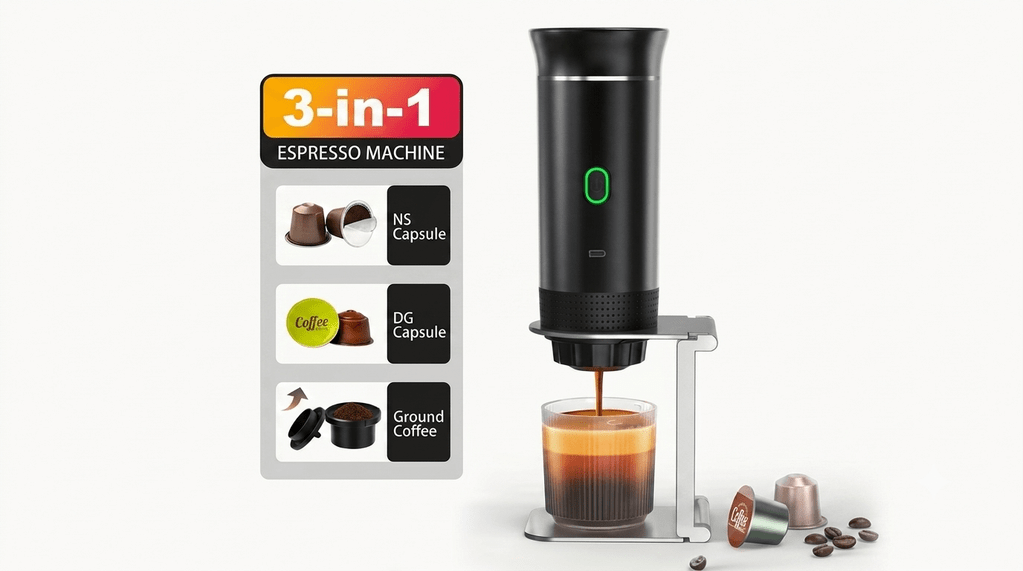
Grinding coffee beans right before brewing makes an immediate difference in aroma and flavor, the volatile oils that give coffee its character start fading within minutes of grinding. A smart grind-and-brew coffee maker combines a built-in grinder, precise water-temperature control, and app or programmable scheduling so you can wake up to a fresh pot without juggling separate appliances at 6:30 a.m.
Still, built-in grinders add mechanical complexity, steam exposure, and extra cleaning compared to a standard drip machine. Choosing the right model comes down to understanding which smart features actually improve the cup, such as conical burr grinders, stable 195°F–205°F brewing temperatures, and thermal carafes, and which ones are just app gimmicks. Later in this guide, we will also look at a compact manual option, The Portable Espresso Machine, for travelers and commuters who want decent coffee away from their kitchen counter.
Table of Contents
How Modern Grind-and-Brew Machines Improve Daily Coffee
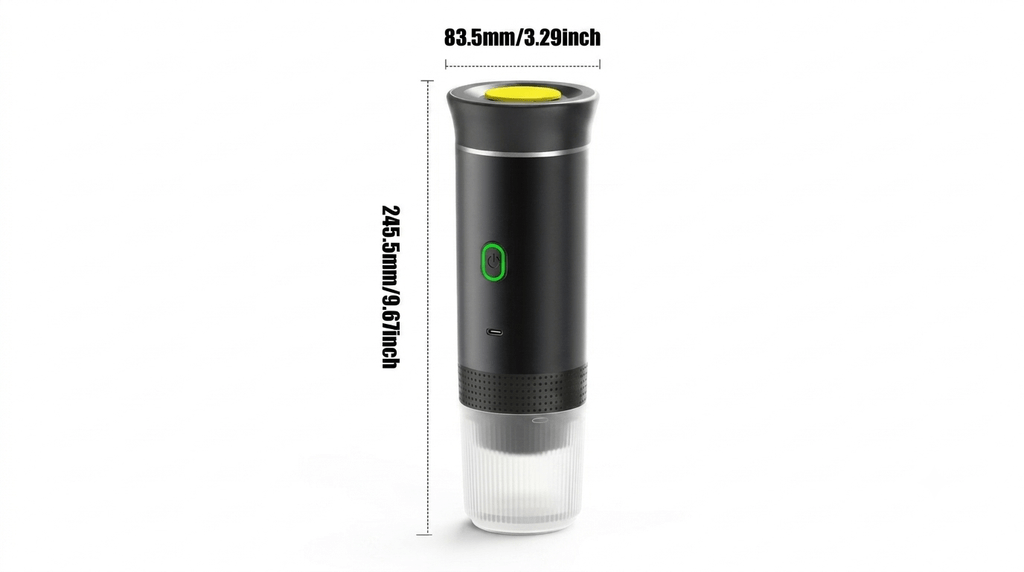
Traditional drip coffee makers rely on a single heating element that rarely maintains an ideal brewing temperature, paired with a glass carafe sitting on a scorching hot plate that cooks the coffee until it tastes bitter. Modern grind-and-brew machines fix the weakest links in that process by combining fresh grinding with better temperature and scheduling controls:
App and Voice Scheduling: Instead of leaning over the counter in the dark to program tiny buttons, a Wi-Fi-enabled brewer lets you adjust brew strength, batch size, and start times from your phone, or trigger a brew cycle before you even get out of bed.
Fresh Grinding on Demand: Coffee begins losing aromatic oils and carbon dioxide within minutes of being ground. A built-in grinder mills whole beans seconds before hot water hits the basket, producing noticeably fuller flavor than pre-ground grocery-store coffee.
Precision Water Temperature: Better smart drip models heat water to the Specialty Coffee Association’s target range of 195°F to 205°F (90°C–96°C) before saturating the grounds, preventing the sourness caused by under-extraction or the harsh bitterness caused by boiling water.
Thermal Carafes Over Hot Plates: Many upgraded models pair smart scheduling with a double-walled stainless-steel thermal carafe rather than a heated burner. That keeps a full pot hot for two to three hours without continuing to cook the coffee.
Pre-Infusion and Pulsed Water Flow: Why Extraction Control Matters
Cheap drip machines dump water onto the center of the filter basket in a single continuous stream, boring a channel straight through the middle of the grounds. The coffee in the center gets over-extracted and bitter, while the grounds around the edges stay dry and sour.
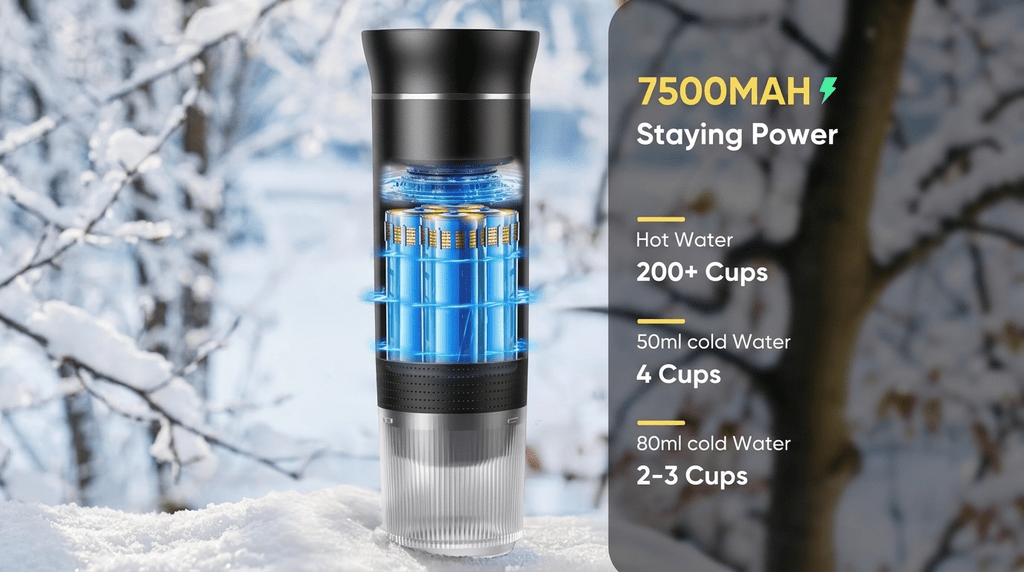
Higher-end smart drip brewers avoid this by controlling how and when water enters the brew basket:
Adjustable Brew Strength: By slowing down the pulse rate and extending contact time between water and grounds, strength settings extract more body without forcing you to waste extra beans.
Pre-Infusion (Blooming): Before the main brew cycle starts, the machine releases a small burst of hot water to wet the fresh grounds and pauses for 20 to 30 seconds. This lets trapped carbon dioxide escape, a step baristas call “blooming”, so gas bubbles don’t repel water during extraction.
Pulsed Extraction: Instead of flooding the basket continuously, internal sensors and pumps pulse hot water in controlled intervals through a wide showerhead. This keeps the water temperature stable and saturates the entire coffee bed evenly from edge to edge.
Taking Good Coffee on the Road : The Biolomix Portable Espresso Maker
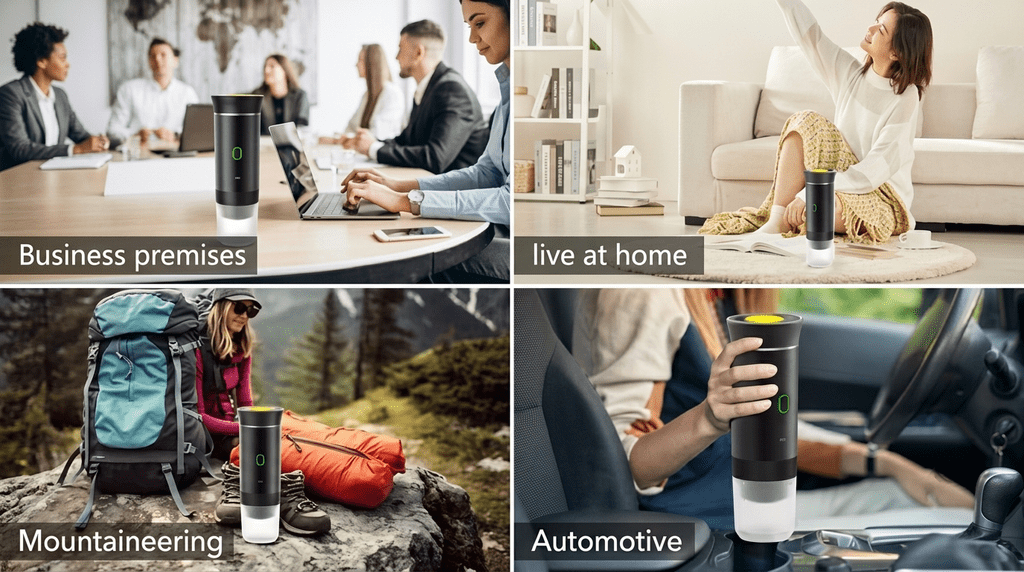
A smart grind-and-brew machine covers mornings at home, but commutes, road trips, camping weekends, and office desks call for something that fits in a bag without needing an electrical outlet. That is where a compact manual brewer like the Biolomix Portable Hand-Press Espresso Maker fills the gap.
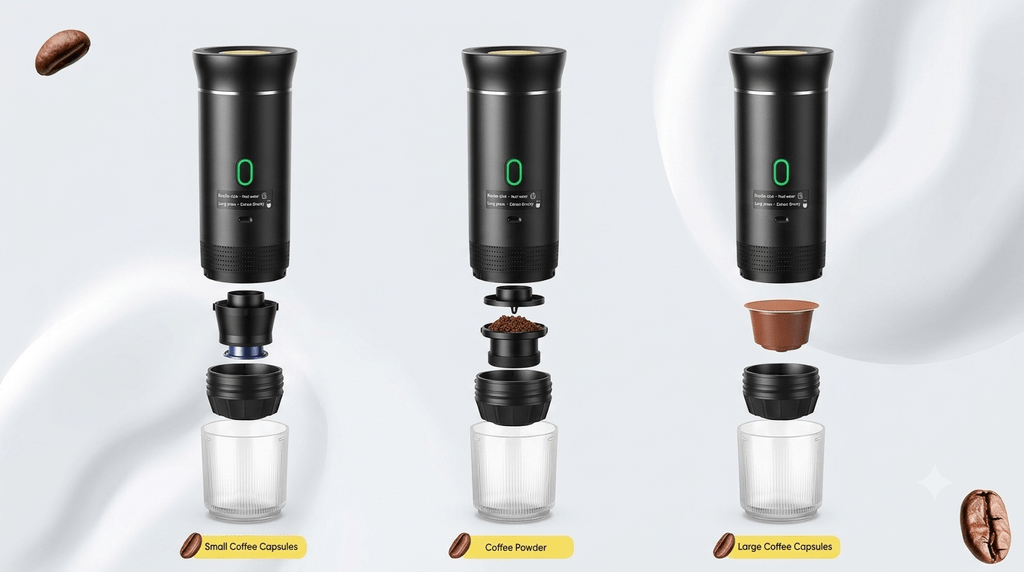
Because it has no built-in heating element or battery to charge, it stays light, durable, and easy to pack. Here is how it works in everyday travel situations:
Simple Cleanup and Zero Charging: With no wires, heating coils, or internal electronics, you can rinse the chamber under a tap or with leftover thermos water in seconds, making it reliable for picnics, hotel rooms, and car trips where power outlets aren’t nearby.
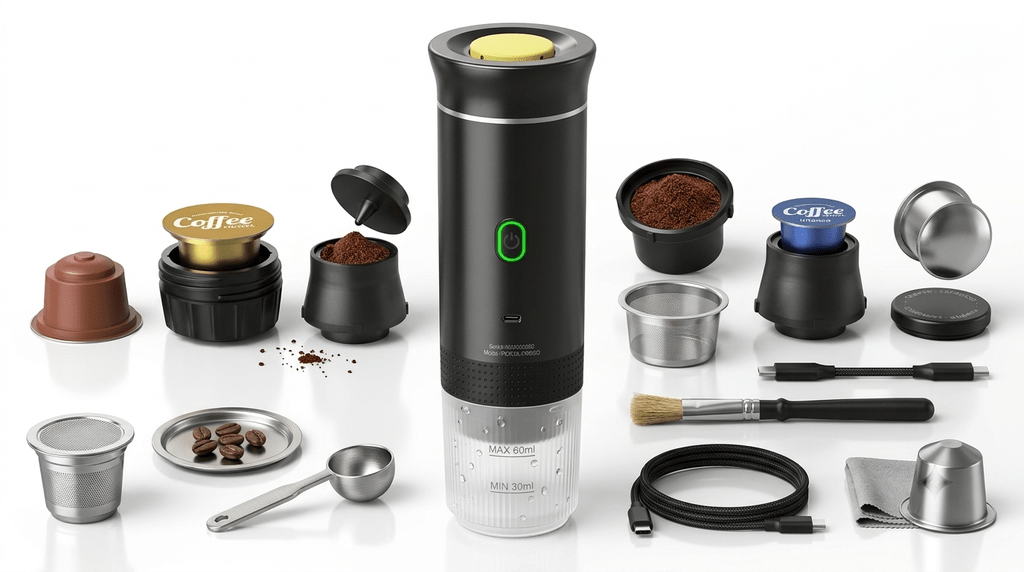
Dual Compatibility (Grounds or Capsules): Unlike travel brewers locked into a single format, it accepts both finely ground coffee and standard Nespresso-style capsules, handy when you want fresh specialty grounds at home but quick, mess-free pods on a road trip.
Manual Hand-Press Extraction: Instead of relying on electricity, a built-in hand pump builds extraction pressure as you press, producing a concentrated espresso-style shot with light crema as long as you start with piping-hot water from a thermos or travel kettle.
Getting the Best Extraction From a Hand-Press Brewer
Even without digital electronics, the Biolomix relies on a simple internal piston and valve system rated for up to 15 bars of pressure. In practice, the quality of the shot comes down to two things: starting with water just off the boil (around 200°F / 93°C in an insulated thermos) and pumping at a steady, even pace.
Pumping too fast forces water through the coffee bed before it can extract properly, leaving a thin, sour shot. Steady, deliberate strokes let the pressure build evenly through the basket, producing a richer shot with a light layer of crema, far better than instant coffee packets or gas-station drip while traveling, even if it naturally won’t match a heavy dual-boiler countertop machine.
Smart Grind-and-Brew Machine vs. Biolomix Portable Espresso Maker
Both brewers solve different parts of a daily coffee routine, one automates multi-cup mornings at home, while the other packs easily for travel without needing an outlet.
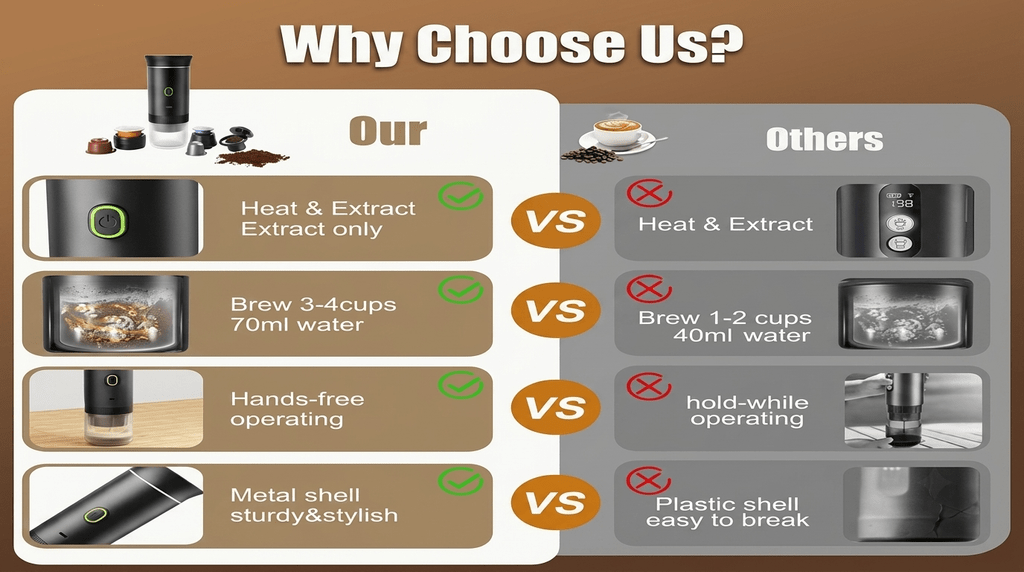
| Feature | Smart Grind & Brew Coffee Maker | Biolomix Portable Hand-Press Maker |
| Primary Function | Automated multi-cup drip brewing at home | Manual single-shot espresso on the go |
| Drink Style | Clean, full-bodied brewed coffee | Concentrated espresso-style shot with light crema |
| Coffee Input | Whole coffee beans (with pre-ground bypass on most models) | Finely ground coffee or compatible capsules |
| Best Use Case | Daily morning routines, households, and home offices | Road trips, camping, picnics, flights, and office desks |
| Power & Heating | Standard wall outlet with built-in heating element | Non-electric hand pump (requires hot water from a thermos or kettle) |
Buyer’s Guide: What to Look for Before You Buy
Looking past sleek touchscreens and app icons saves you from buying a machine that tastes stale or jams after six months. Focus on these six practical features before choosing a countertop brewer or travel unit:
Conical Burr Grinder (Not a Blade Grinder): On a grind-and-brew machine, look specifically for a conical burr grinder rather than a spinning blade. Burrs crush beans to a uniform particle size for balanced extraction, while blades chop unevenly and create fine dust that can clog the filter basket.
Steam Protection for the Grinder Chute: Built-in grinders sit directly above hot brewing water. Better models include a sealed chute or automatic moisture-blocking flap that keeps rising steam from gumming up coffee grounds inside the grinder mechanism.
Right-Sized Capacity: Match the reservoir and carafe to how your household actually drinks coffee. A 10-to-12 cup (50 to 60 oz) countertop brewer suits multi-cup households, while a compact 70 ml to 100 ml chamber on a travel press like the Biolomix is built for pulling single fresh shots without wasted water.
Safe, Food-Grade Materials: Prioritize interior water pathways and heating chambers made from food-grade 304 stainless steel alongside 100% BPA-free external reservoirs so hot water never picks up plastic odors or taste.
Useful Programmability: Look for controls that simplify morning routines, clear LED displays, saved brew-strength presets, auto-start timers, and reliable Wi-Fi or app scheduling if you want to start a pot before leaving bed.
Double-Walled Thermal Carafe: Whenever possible, choose a vacuum-insulated stainless-steel thermal carafe over a glass pot on a heated burner. Thermal carafes keep coffee hot for two to three hours without continuing to cook the brew into bitterness.
How to Use Both Brewers Step by Step
Operating a Smart Grind-and-Brew Machine
- Insert the Filter and Carafe: Place a paper filter or clean permanent mesh filter into the brew basket, close the basket housing firmly, and seat the carafe on the base.
- Fill the Bean Hopper: Pour fresh whole coffee beans into the hopper and close the airtight lid so the beans stay dry and aromatic. (Avoid dark, heavily oiled beans if your grinder manufacturer warns they can clog narrow chutes.)
- Add Filtered Water: Fill the water reservoir with cold, filtered water up to your desired cup mark.
- Set Grind, Strength, and Schedule: Use the control panel or companion app to choose your grind fineness, brew strength, and batch size, or set the auto-start timer for the next morning.
- Start the Cycle: Press start. The machine grinds the measured dose directly into the basket and runs its pre-infusion and pulsed brew cycle automatically.
Operating the Biolomix Portable Espresso Maker
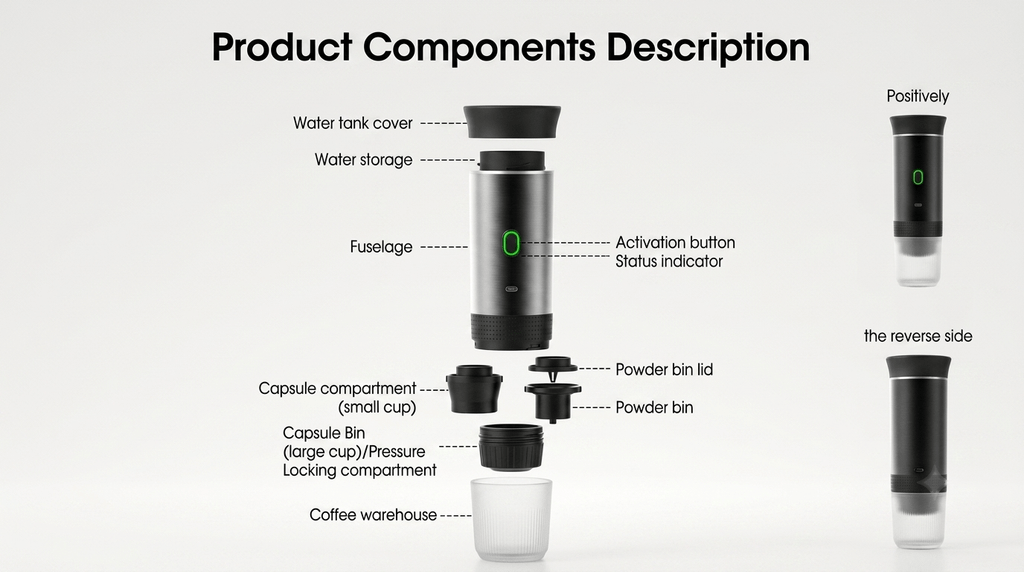
Load the Coffee: Unscrew the bottom portafilter cap. Insert a compatible Nespresso-style capsule, or fill the ground-coffee basket with finely ground coffee, level it with a light tamp, and screw the cap back on securely.
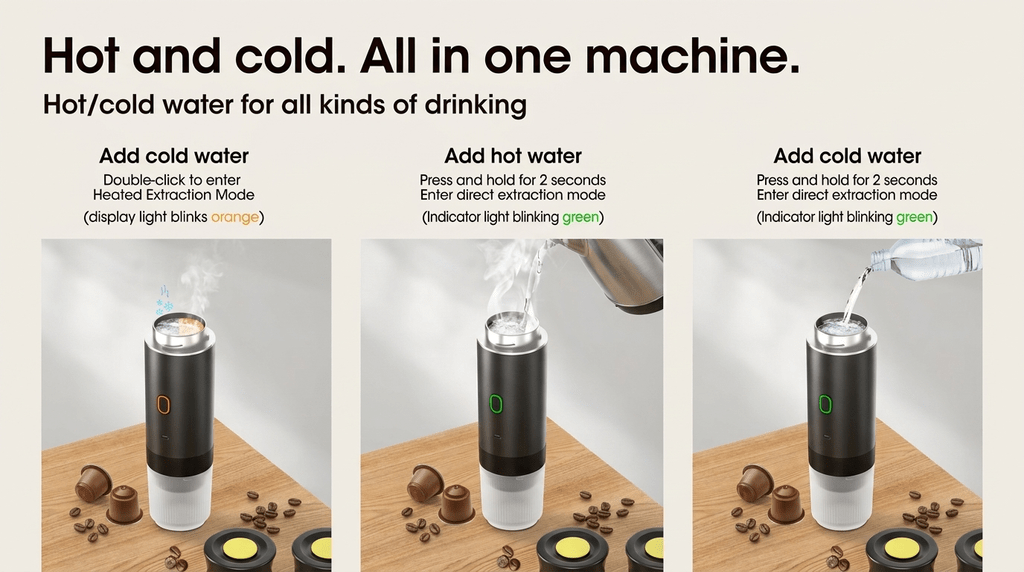
Add Hot Water: Unscrew the top water chamber and fill it up to the max line with hot water just off the boil (around 200°F / 93°C) from a kettle or insulated thermos. Thread the top cap back on tightly so pressure cannot escape.
Unlock the Pump Piston: Twist the integrated hand-pump button to release it into the pumping position.
Press and Extract: Hold the brewer steadily over a sturdy mug and pump at an even, rhythmic pace. Resistance will build after the first few strokes as pressure forces hot water through the coffee bed; keep pumping steadily until the chamber empties into your cup.
Cleaning and Maintenance Routine
Regular cleaning keeps old coffee oils from turning rancid and prevents mineral scale from clogging internal heating tubes.
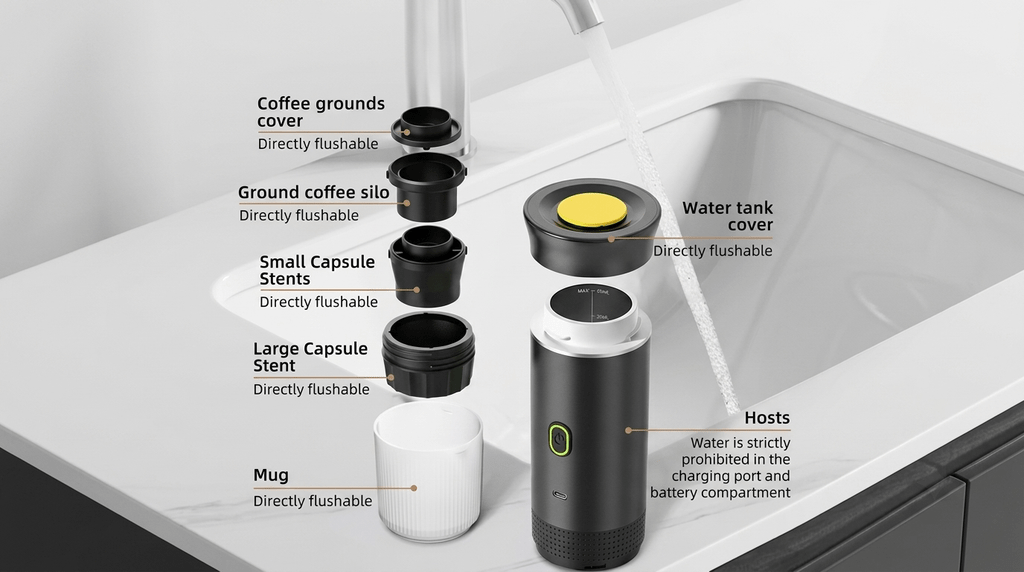
Daily and Weekly Care for Drip Makers: Empty the filter basket as soon as the brew cycle finishes so damp grounds don’t sour inside the housing, and rinse the thermal carafe with warm water after each pot. Once a week, brush loose coffee dust and oils out of the grinder chute and burr chamber with a dry pastry or grinder brush, never use water inside the grinder mechanism.
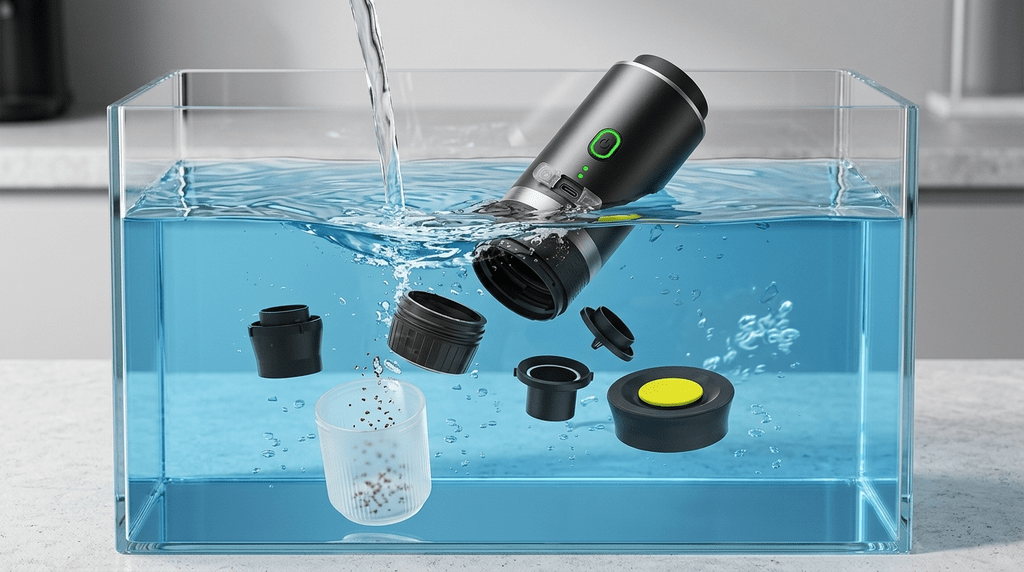
Cleaning the Biolomix Portable Maker: Once the brewer has cooled down, unscrew the bottom cap, coffee adapter, and top water tank, and knock out the used grounds or capsule. Rinse the detachable filter basket, adapters, and cap under warm water, wipe the main pump housing with a damp cloth, and let all pieces air-dry completely before reassembling.
Monthly Descaling: Depending on your water hardness, run a descaling solution, either a commercial coffee-machine descaler or a 50/50 mix of food-grade white vinegar and water, through a full brew cycle once every month or two. Follow immediately with two full cycles of plain, fresh water to flush out any lingering acidity or taste.
Why This Setup Pays Off Over Time
Pairing a reliable grind-and-brew machine on the counter with a compact hand-press brewer in your bag solves both sides of a daily coffee habit:
- Fresher Flavor Every Morning: Grinding whole beans seconds before brewing preserves the aromatic oils that pre-ground coffee loses on the shelf.
- Real Everyday Savings: Replacing even one $4 to $6 café stop a day with freshly ground coffee brewed at home or on the road pays back the cost of both appliances within a couple of months.
- Full Control Over Strength and Roast: You choose the beans, grind size, and brew strength instead of settling for burnt office pots or drive-thru coffee.
- Reliable Coffee Anywhere: A non-electric hand press gives you a proper hot espresso shot on road trips, flights, and camping mornings without hunting for an outlet.
If you want a compact, non-electric option for travel, commuting, or office desks, you can check current specs and pricing for The Portable Espresso Machine .
Setting Up a Clutter-Free Morning Coffee Station
Even a great coffee maker slows you down if beans, filters, travel mugs, and spoons are scattered across three different cabinets every morning. A few simple counter habits keep the routine effortless:
- Create a Dedicated Brew Zone: Group your coffee maker, airtight bean canister, filters, spoons, and travel mugs on a single tray or designated corner of the counter, ideally near the sink for easy water refills. Keeping everything in one footprint stops morning clutter from spreading onto your main prep space.
- Use Clear, Airtight Canisters: Store whole beans or capsules in clear, airtight containers so you can see at a glance when you are running low without digging through pantry shelves.
- Follow the “One In, One Out” Rule: Counter space disappears fast. If you add a new grind-and-brew machine to your counter, pack away or donate the old single-cup brewer or separate blade grinder it replaces.
- Do a Two-Minute Evening Reset: Before turning off the kitchen lights, empty the used filter, rinse the carafe, refill the water reservoir, and set your mug next to the machine so morning brewing takes a single button press.
Whether you rely on an automated grind-and-brew machine at home or pack a compact manual press like the Biolomix Portable Espresso Machine for road trips and busy workdays, keeping your coffee setup simple and organized turns rushed mornings into a smooth routine.