Espresso Machine Buying Guide: How to Choose the Right Brewer for Your Kitchen
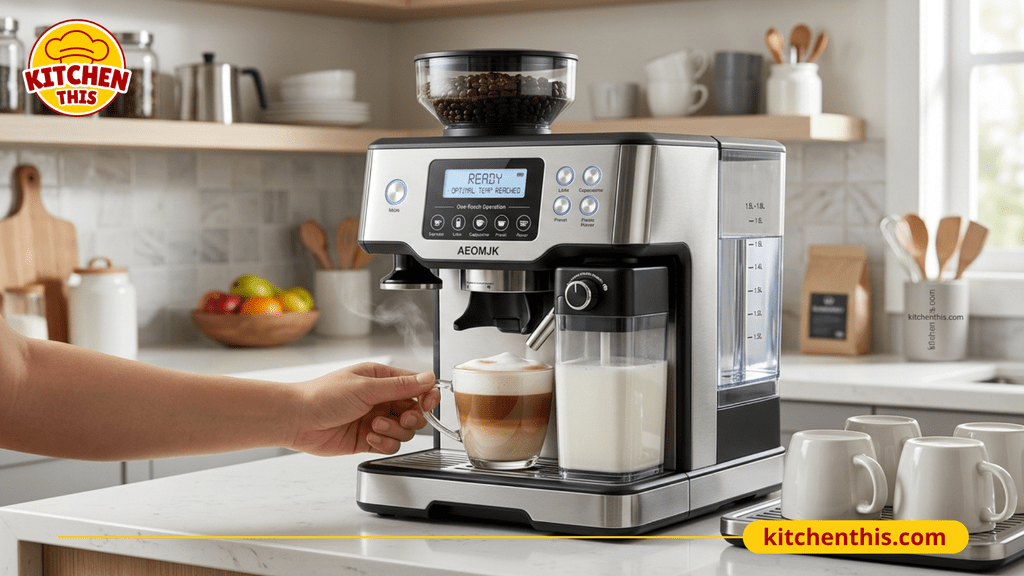
Table of Contents
Buying a home Espresso Machine can get expensive fast if you pick the wrong style for your morning routine. Some machines ask you to dial in grind size, tamp fresh grounds, and steam milk manually like a café barista, while others grind, tamp, brew, and froth at the press of a single button.
Choosing the right machine comes down to three practical questions: how much hands-on control you actually want at 7:00 a.m., how often you make milk drinks like lattes and cappuccinos, and how much counter space and maintenance you are willing to give up. Here is how the main machine categories compare and what specifications actually matter before you spend your money.
Understanding the Main Types of Home Espresso Machines
Before comparing pump pressures or steam wands, decide how involved you want to be in making each cup. Home espresso makers fall into three practical categories:
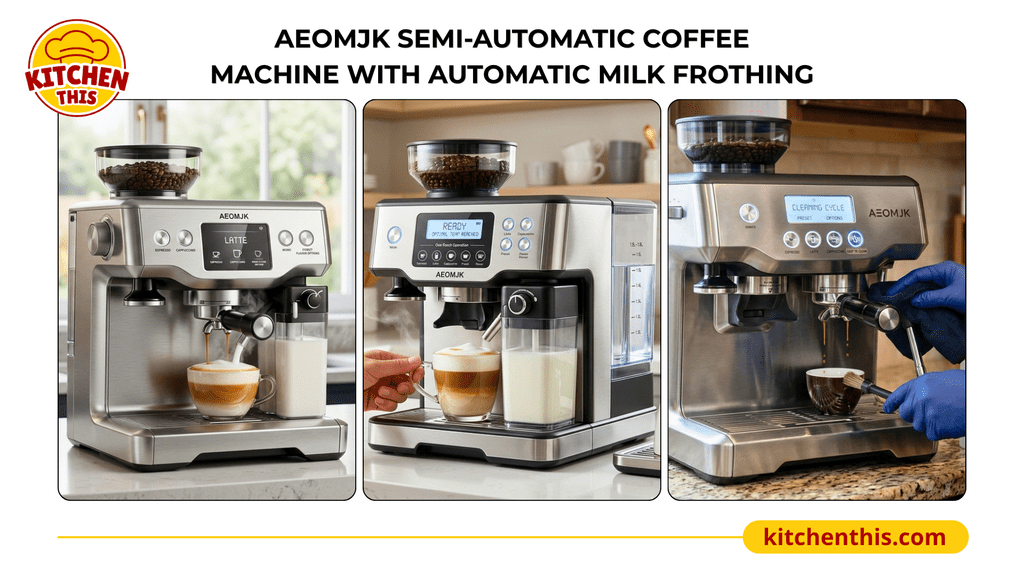
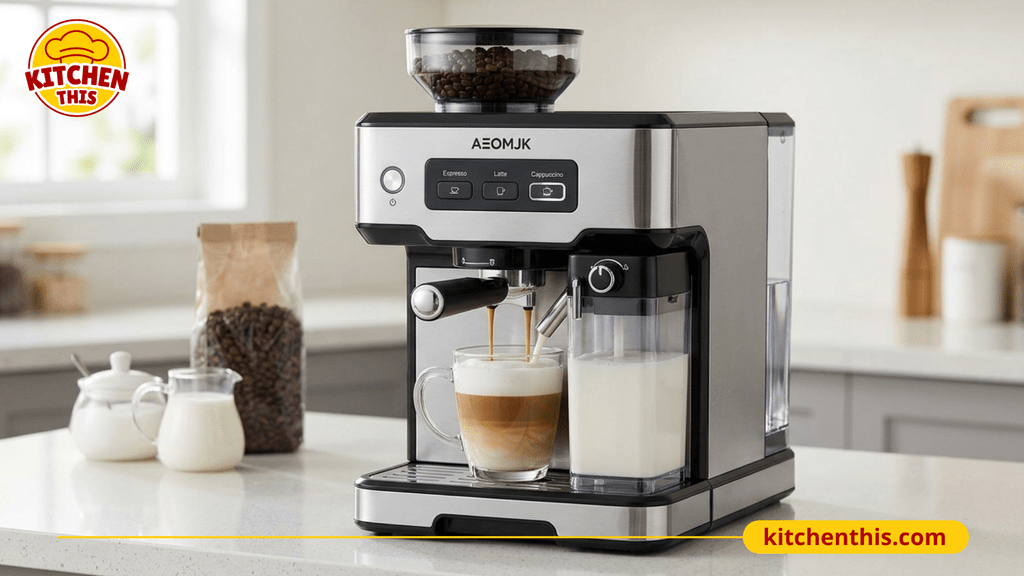
Semi-Automatic Espresso Machines: You grind the coffee (or use a machine with a built-in grinder), tamp the grounds into a portafilter, lock it in, and start the extraction, often with programmable single- and double-shot buttons that stop the water flow automatically. Compact hybrid models like the AEOMJK Semi-Automatic Coffee Machine sit in this sweet spot, giving you real espresso extraction and a steam wand for milk without the steep learning curve of commercial café gear.
Super-Automatic (Bean-to-Cup) Machines: You pour whole beans into a hopper and fill the water tank; the machine grinds, doses, tamps, brews, and often froths milk automatically at the touch of a button. They offer maximum convenience on rushed mornings, though they cost more, take up deeper counter space, and offer less control over shot flavor.
Capsule and Pod Brewers: Fast and virtually mess-free, but limited to proprietary pods that cost significantly more per cup over time and produce thinner crema than freshly ground coffee.
For most households, a compact semi-automatic machine strikes the best balance between cup quality, counter footprint, and long-term cost per drink.
Paste the next section of Article 27 whenever you are ready!
How Home Espresso Machine Types Compare
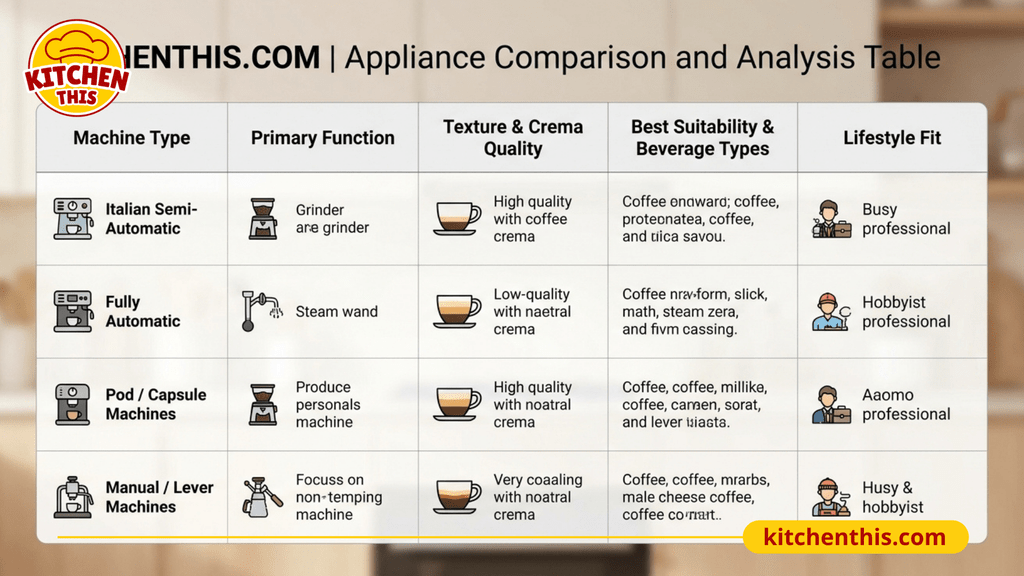
Use this side-by-side breakdown to match each machine style’s workflow, cup quality, and upkeep to your morning schedule:
| Machine Type | Primary Function | Texture & Crema Quality | Best Drinks & Compatibility | Best Lifestyle Fit |
| Semi-Automatic (Pump Type) | Combines manual dosing and tamping with automated pump pressure and shot presets | Rich crema, full body, and microfoam when paired with a manual steam wand | Espresso, lattes, cappuccinos, flat whites; works with any whole-bean or pre-ground coffee | Households wanting café-level flavor and milk texture without a steep learning curve |
| Fully Automatic (Bean-to-Cup) | Grinds, doses, tamps, brews, and often froths milk at the touch of a button | Consistent, smooth crema with moderate customization | Espresso, lungo, and one-touch milk drinks using whole beans | Busy mornings where speed and hands-off automation matter most |
| Pod / Capsule Machines | Forces hot water through pre-sealed single-serve coffee pods | Light body with thinner foam rather than true espresso crema | Quick single-serve espressos and lungos from proprietary capsules | Small offices, dorms, or occasional drinkers who prioritize zero cleanup over cost per cup |
| Manual / Lever Machines | Relies on a hand-pulled piston or lever to generate extraction pressure | Highly rewarding crema and body once dialed in, but sensitive to technique | Straight espresso shots (usually requires a separate milk frother) | Coffee hobbyists who enjoy hands-on brewing on slower weekend mornings |
Buyer’s Guide: What Actually Matters When Choosing an Espresso Machine
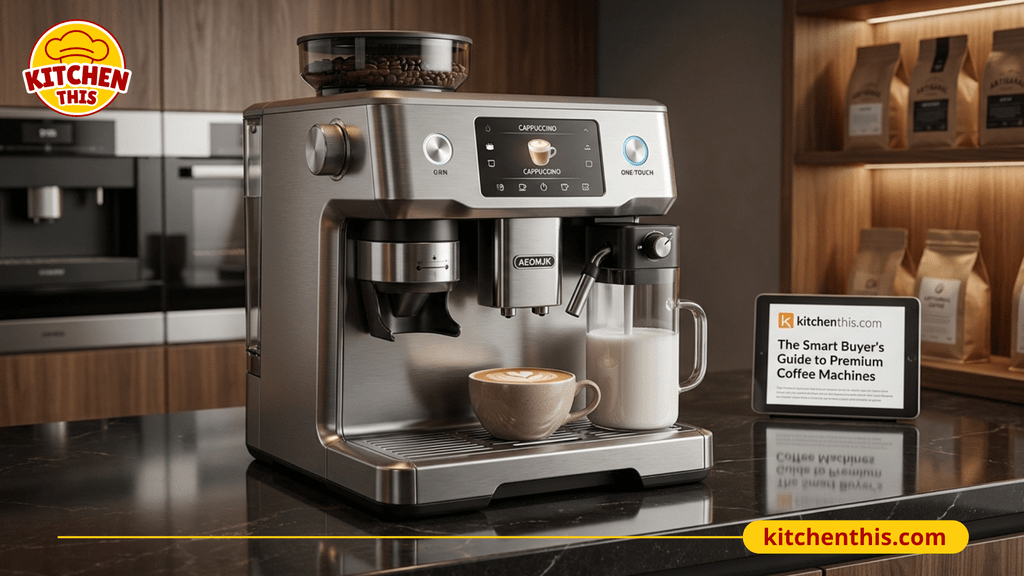
Looking past polished exterior trim and long feature lists helps you spot the components that actually keep temperatures steady and prevent early breakdowns. Focus on these four fundamentals before you buy:
304L Stainless Steel Construction: Housing and internal water pathways built from food-grade 304L stainless steel resist rust, mineral corrosion, and high-heat wear far better than painted mild steel or thin plastic shells. Stainless steel also wipes clean without absorbing coffee oils or odors.
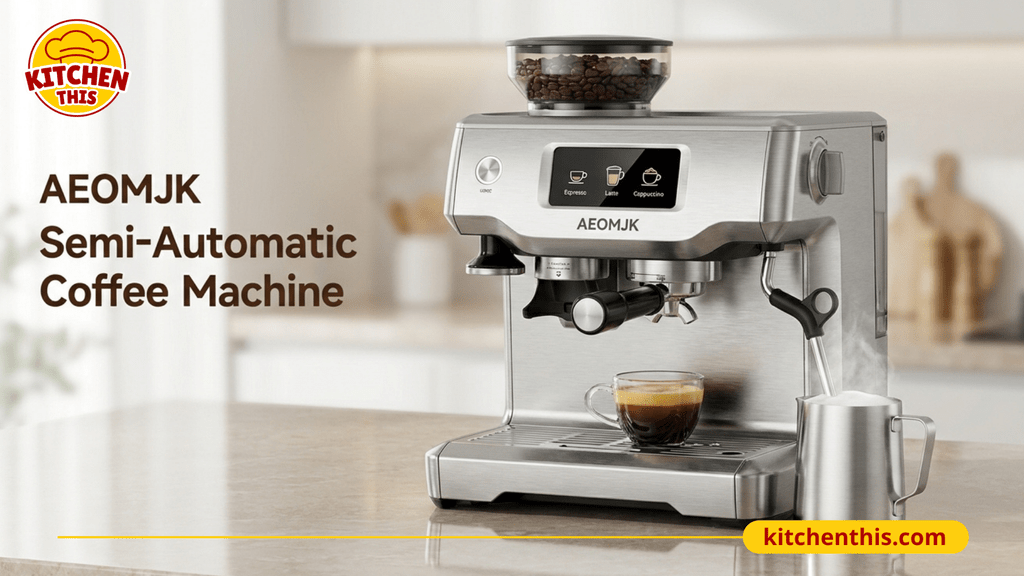
Heating Speed and Tank Capacity: Look for a thermoblock or fast-heating boiler system that reaches brewing temperature (around 195°F to 205°F) within a minute or two, paired with a removable 1.5L to 1.8L water reservoir so you can pull multiple shots and steam milk for guests without constant refills.
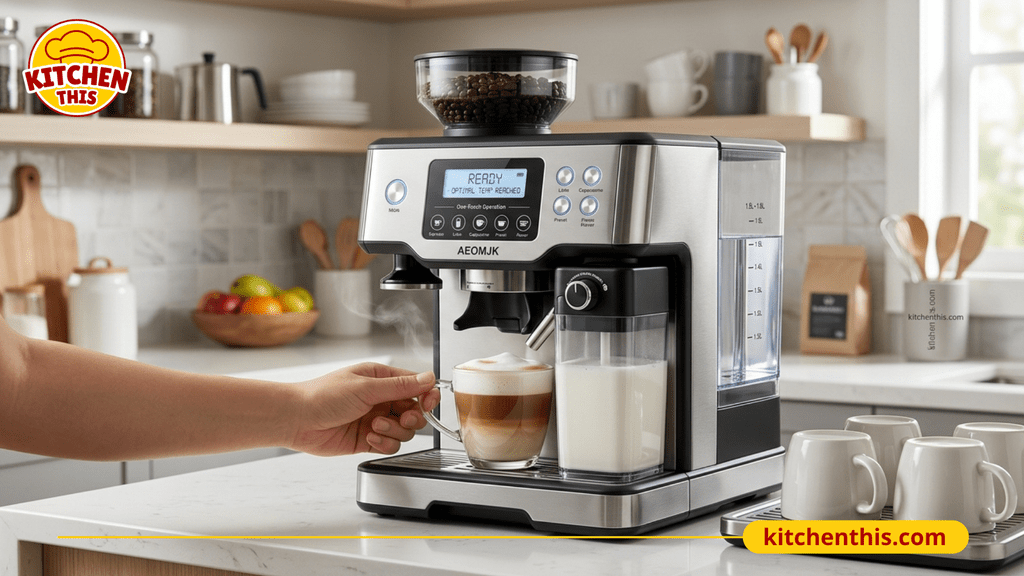
Helpful Shot Presets and Controls: You don’t need complicated app menus to make morning espresso easier. Clear touchscreen or tactile presets for single and double shots, alongside reliable volumetric dosing that stops the pour automatically, take the guesswork out of busy mornings.
Steam Wand Flexibility: If you drink lattes, cappuccinos, or flat whites, choose a machine with a responsive steam wand that transitions quickly from brewing to steaming and swivels easily to fit a standard milk pitcher.
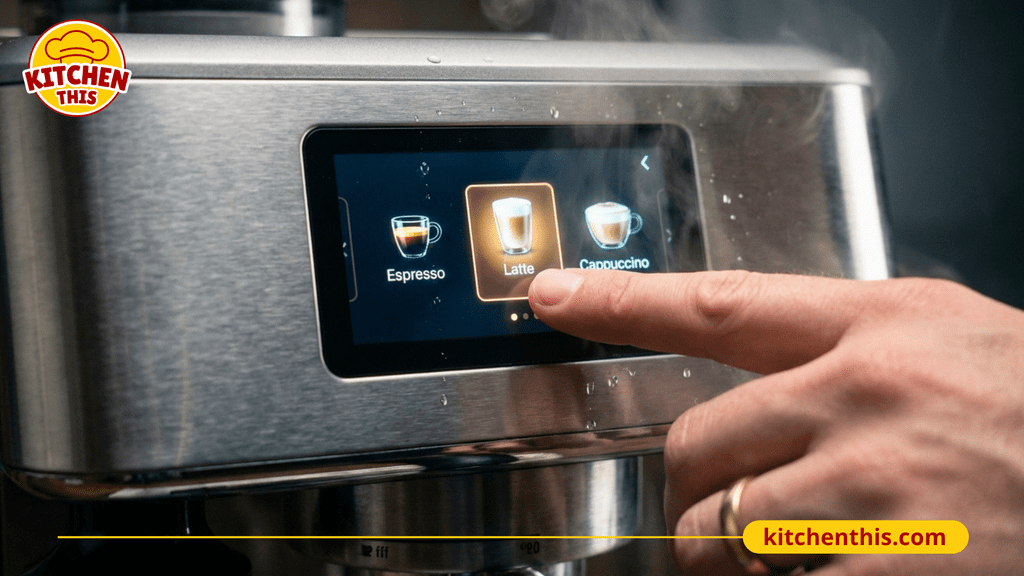
A Closer Look: The AEOMJK Semi-Automatic Coffee Machine
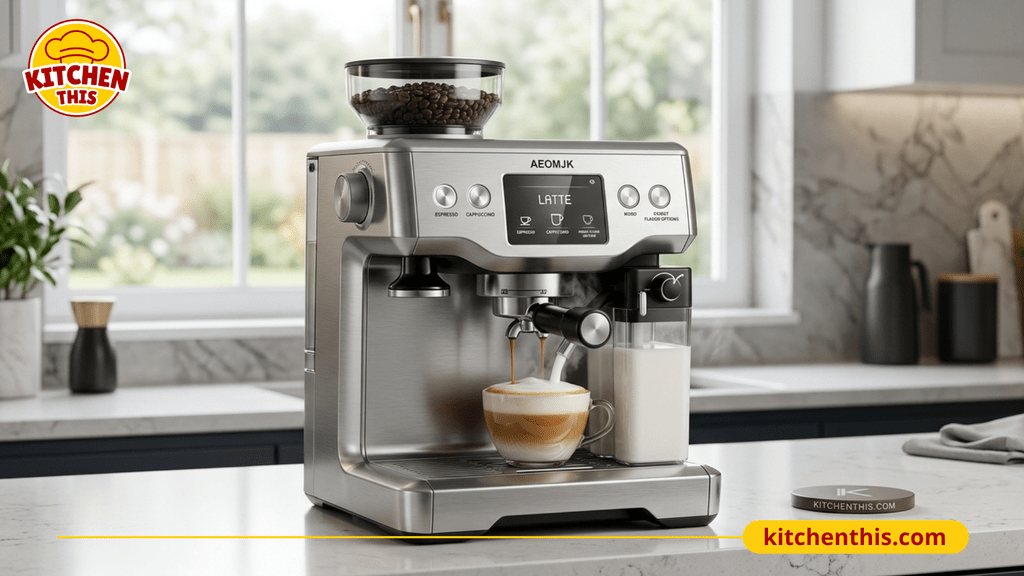
For households that want real pump-driven espresso without dedicating half the countertop to commercial café equipment, the AEOMJK Semi-Automatic Coffee Machine is a practical example of this balanced design. Built with a compact, squared-off 304L stainless-steel housing, it combines an Italian-style pump extraction system with straightforward programmable controls, giving you the hands-on control of a traditional portafilter alongside convenient one-touch shot presets for faster weekday mornings.
Key Features of the AEOMJK Semi-Automatic Coffee Machine
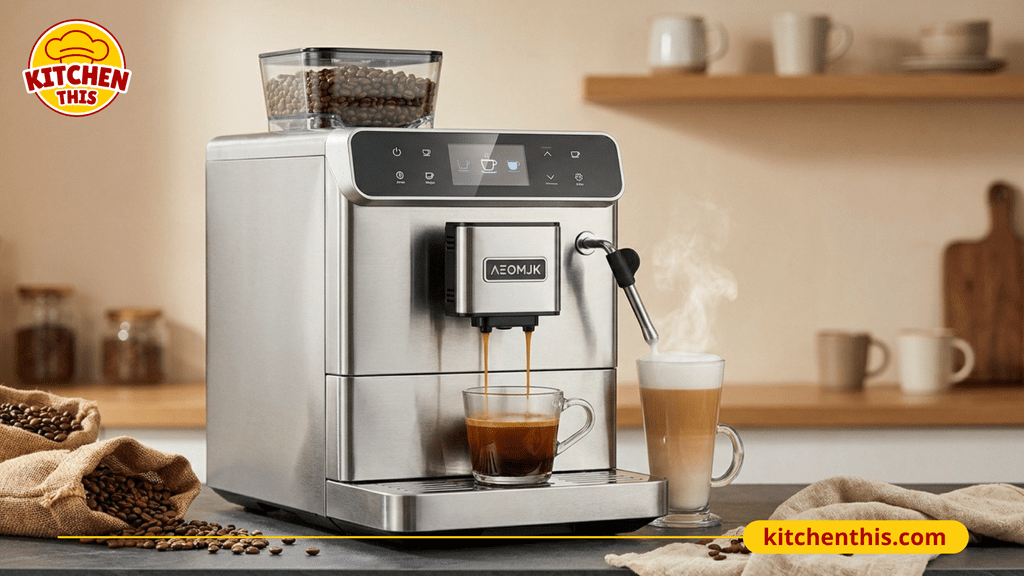
Built-In Grinder for On-Demand Dosing: An integrated grinder mills whole beans directly into the portafilter right before extraction, preserving fresh aromatic oils while saving the counter space and expense of a separate standalone grinder.
Automatic Milk Frothing System: Instead of requiring manual pitcher-angling technique, the integrated milk frothing system steams and aerates milk automatically to produce smooth foam for lattes and cappuccinos.
One-Touch Drink Presets: Built-in presets let you select single shots, double shots, or milk drinks with a single tap, automatically calibrating grind duration and water volume for consistent results.
High-Pressure Pump Extraction: The internal pump maintains steady extraction pressure through the tamped coffee puck, pulling rich flavor and a clean layer of golden crema without bitter over-extraction.
How to Operate the AEOMJK Espresso Machine
Even with a built-in grinder and milk frother, daily brewing takes only four quick steps:
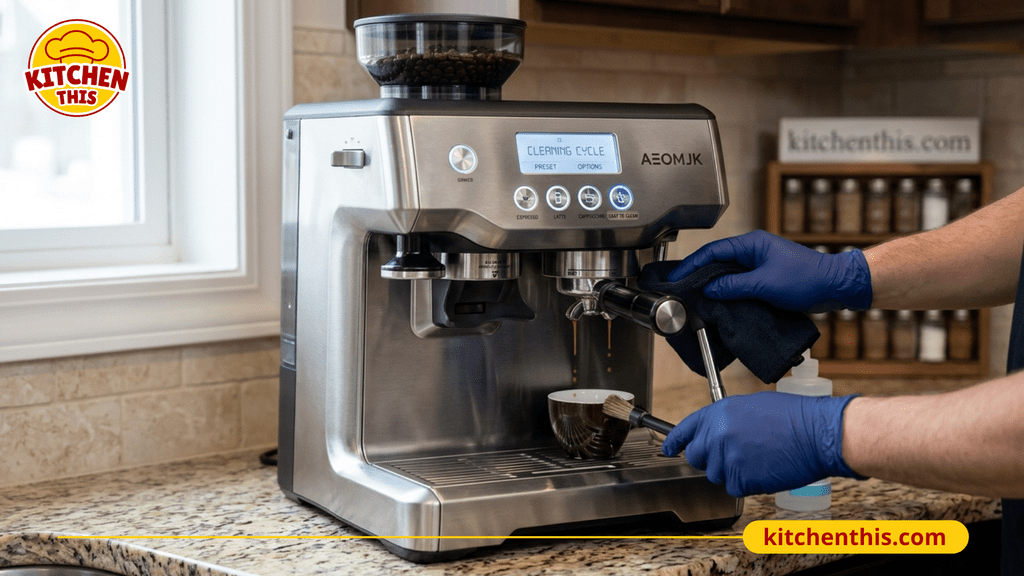
Fill the Water Tank and Bean Hopper: Pour cold, filtered water into the removable reservoir, using filtered water improves shot flavor and slows mineral scale buildup, and load fresh whole beans into the top hopper.
Dial In Your Grind Size: Adjust the integrated grinder setting to match your beans (a finer grind slows water flow for a richer, fuller-bodied shot, while a slightly coarser setting prevents over-extraction on dark roasts).
Choose Your Drink Preset: Set a warmed cup under the spout and select your drink option, such as single espresso, double espresso, latte, or cappuccino, on the control panel.
Brew and Froth: Start the cycle so the machine doses the ground coffee, extracts the espresso under pump pressure, and froths the milk automatically for milk-based presets.
Cleaning and Maintenance Routine
Regular upkeep keeps old coffee oils from turning bitter and prevents mineral scale from clogging internal heating tubes and valves.
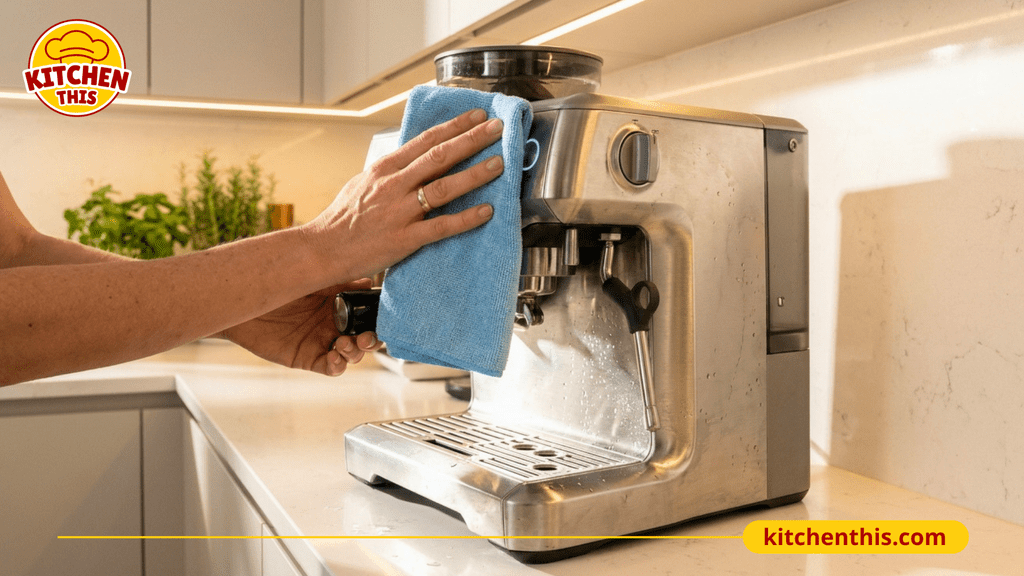
Daily Rinse and Steam Wipe-Down: After your last drink of the day, run a quick blank shot of hot water through the brew head and portafilter to flush out trapped grounds. Wipe the steam wand or milk frother immediately with a clean, damp cloth, and purge a short burst of steam, before milk residue can dry onto the nozzle.
Weekly Portafilter and Brew-Head Cleaning: Once a week, soak the portafilter basket and wipe the brew-head shower screen with warm water to clear built-up coffee oils. If your machine uses a removable internal brew unit, rinse it thoroughly under lukewarm water without harsh dish soaps and let it air-dry before reinstalling.
Descaling Every Two to Three Months: Depending on your local water hardness, run an espresso-machine descaling cycle every two to three months to dissolve calcium deposits inside the heating block, followed by two full tanks of fresh water to rinse the lines completely.
Water Filter Replacement: If your reservoir uses a built-in charcoal or resin filter cartridge, replace it roughly every two months to protect both shot flavor and internal pump components.
Is a Semi-Automatic Grind-and-Brew Machine Worth It ?
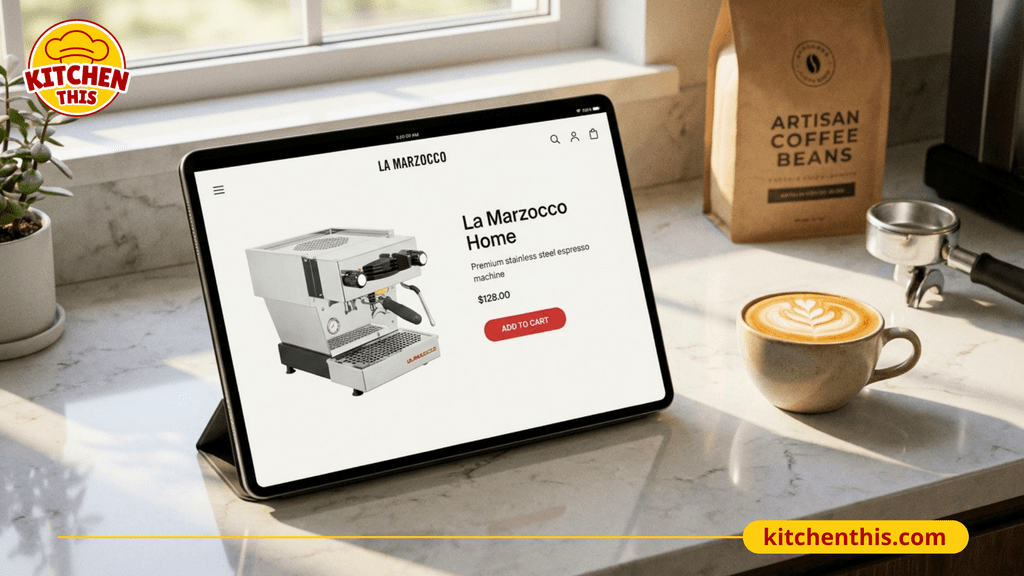
Bringing a well-built espresso machine onto your counter pays off most when you enjoy espresso, lattes, or cappuccinos regularly and want reliable results without waiting in a café drive-thru every morning. Combining a 304L stainless-steel chassis, an integrated grinder, and one-touch drink presets keeps weekday prep fast while still giving you control over fresh whole-bean flavor.
If that balance fits your kitchen routine, you can check current specifications, dimensions, and pricing for the AEOMJK Semi-Automatic Coffee Machine .
Setting Up an Efficient Home Espresso Station
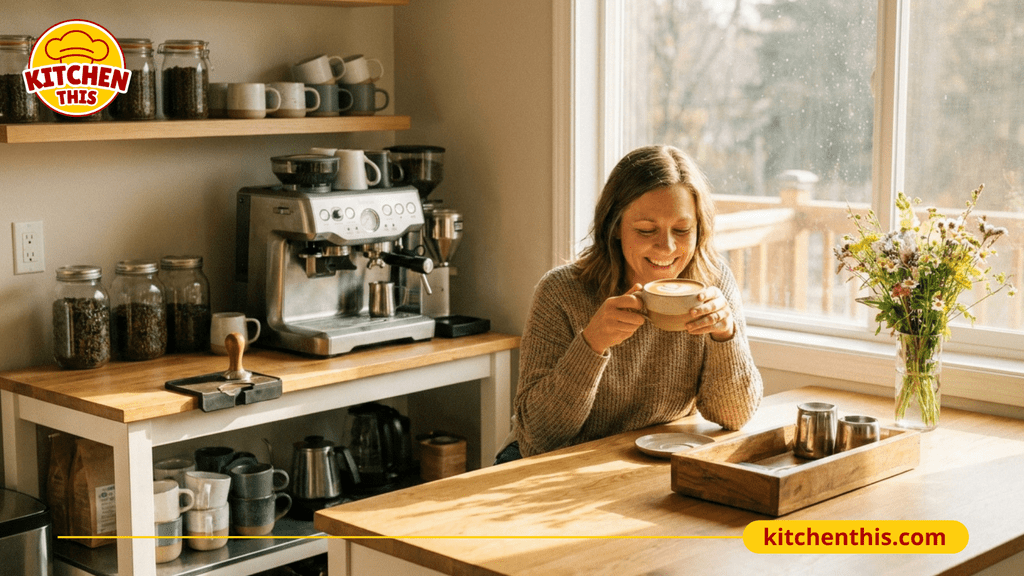
Even the best espresso machine slows you down if beans, tampers, milk pitchers, and mugs are scattered across three different cabinets. A few simple counter habits keep morning prep smooth:
Create a Dedicated Espresso Zone: Group your machine, whole-bean canister, tamper, knock box, and daily mugs on a single tray or corner of the counter, ideally near the sink for quick water-tank refills and steam-wand wipe-downs.
Free Up Shelf Space With Under-Cabinet Hooks: If cabinet space is tight, mount a slim rail with hooks beneath an upper cabinet to hang your everyday espresso cups and latte mugs right above the machine.
Do a Two-Minute Evening Reset: Before turning off the kitchen lights, empty the knock box, wipe the drip tray, top off the water reservoir, and set a mug on the warming tray so morning extraction starts with zero prep.
If you want to review the exact 304L stainless steel specs, dimensions, and current availability, you can check out the Ninja Luxe Coffee Premier 3-in-1 Espresso Machine, Drip Coffee, & Cold Brew directly.