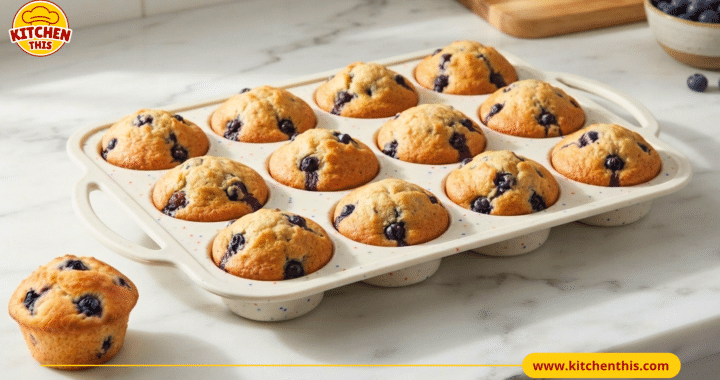
How to Choose a Reliable Non-Stick Bakeware Set for Everyday Baking
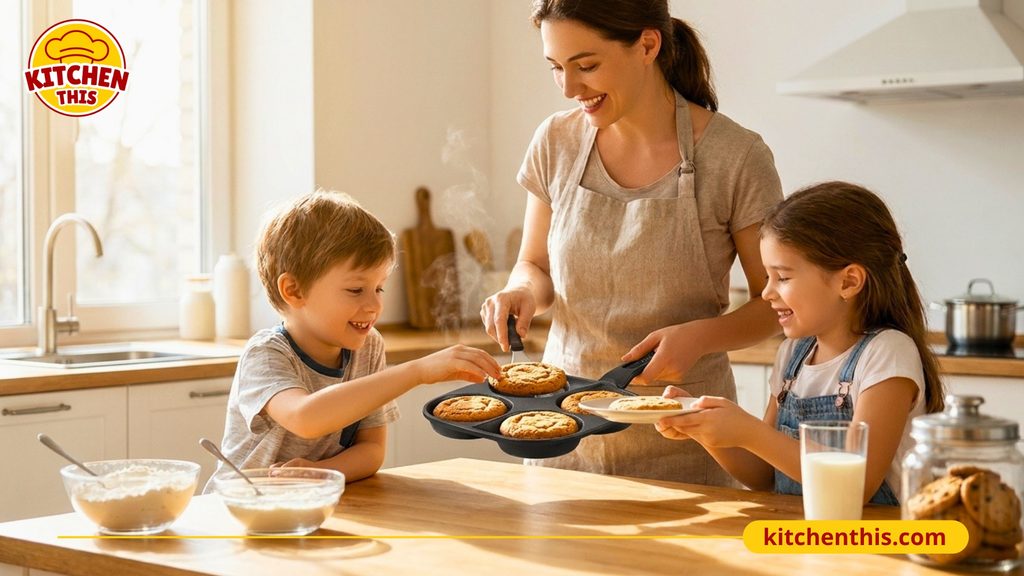
Baking at home should be straightforward, not a battle against warped cookie sheets, unevenly browned muffins, or burnt-on sugar that takes half an hour to scrub off. While individual baking pans have their place, a well-built non-stick bakeware set gives you the core pans and essential tools needed to handle weeknight sheet-pan dinners, weekend batches of cookies, and family birthday cakes without hunting through mismatched cabinet stacks.
Table of Contents
Not all non-stick bakeware holds up the same way under high oven heat, though. Thin pans twist and pop in the oven, while cheap coatings peel or lose their release after a few dozen bakes. Here is what separates a durable, heavy-gauge bakeware set from a disposable one, how different pan materials compare, and what to look for when outfitting your kitchen.
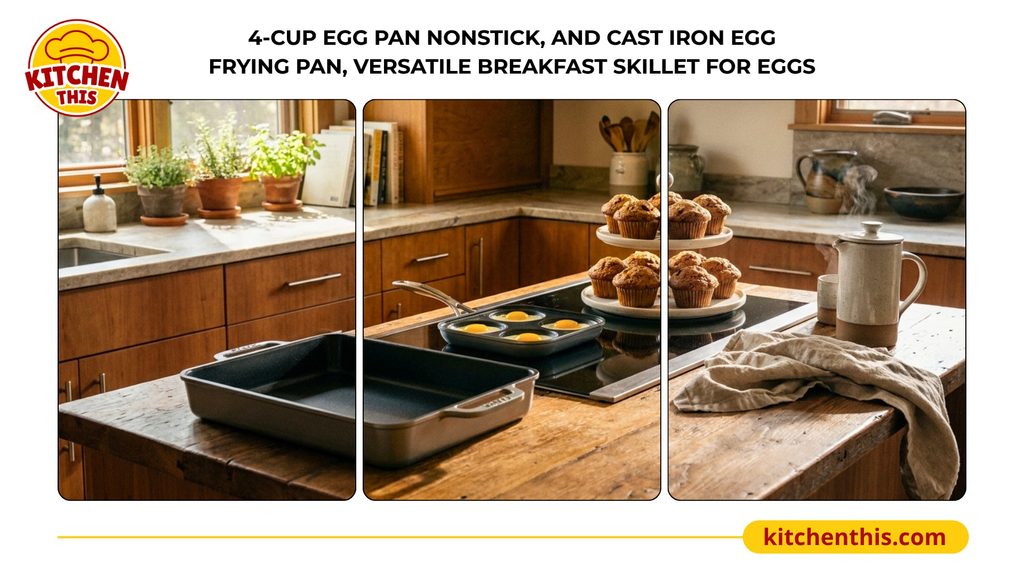
Building a Practical Bakeware and Everyday Cookware Setup
Instead of buying single, mismatched pans one recipe at a time, starting with a cohesive Premium Non-Stick Bakeware Set covers nearly every oven task, from roasting sheet-pan vegetables and baking weekend batches of cookies to turning out banana bread, layer cakes, and morning muffins. A well-made set pairs heavy-gauge carbon steel or aluminized steel cores with a reinforced, PTFE- and PFOA-free non-stick coating so baked goods brown evenly and slide out without sticking or tearing.
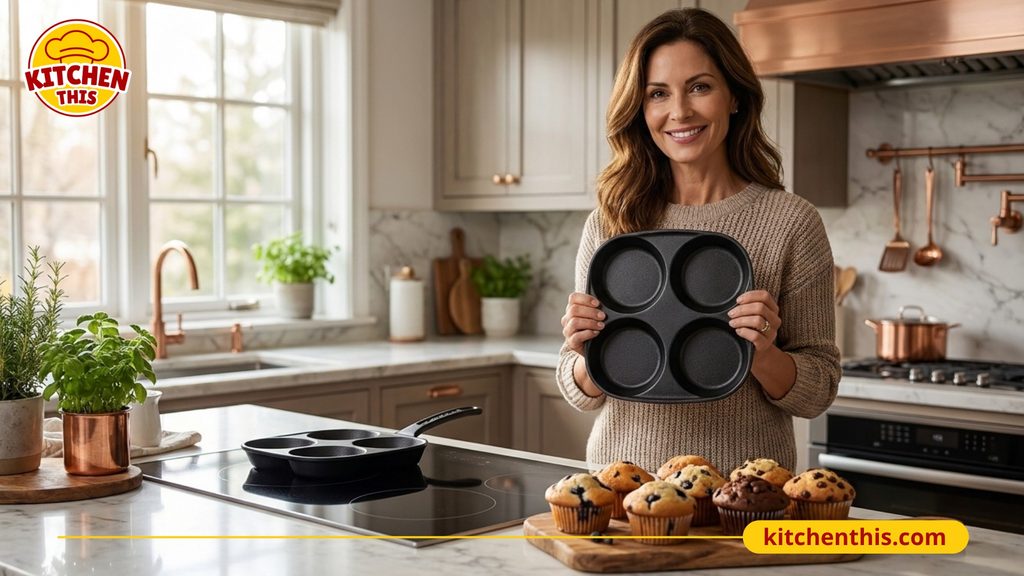
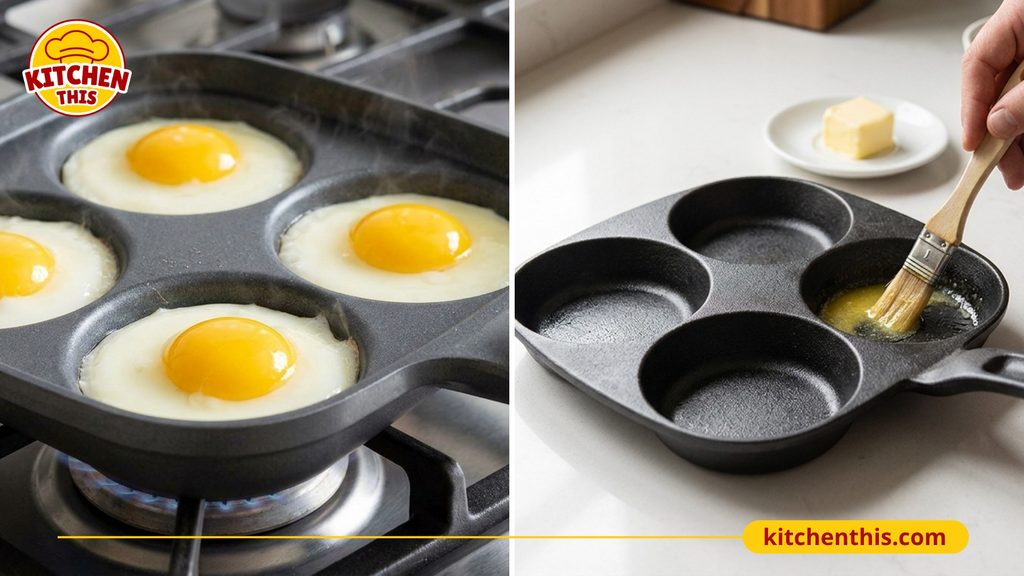
Pairing a versatile oven bakeware set with dedicated stovetop time-savers, such as a 4-Cup Egg Pan Nonstick for uniform fried eggs, mini pancakes, or breakfast sandwiches, takes even more friction out of busy weekday mornings. When both your oven pans and stovetop skillets share reliable heat distribution and easy-release surfaces, prep stays organized and after-meal cleanup drops to a quick rinse.
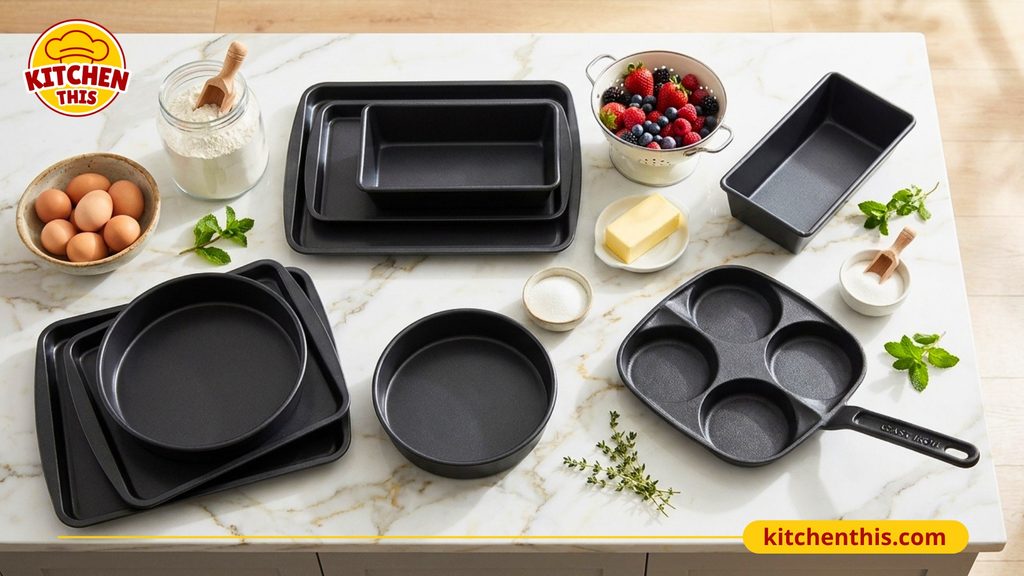
Oven bakeware covers roasting and baking, while dedicated breakfast pans streamline busy weekday mornings. Adding a divided 4-Cup Egg Pan Nonstick or a Cast Iron Egg Frying Pan lets you cook four uniform eggs, silver-dollar pancakes, Swedish plättar, or mini crêpes at the same time in a single burner footprint. Because quality versions feature flat, induction-ready bases that work equally well on gas, electric, and glass cooktops, you can move smoothly from a five-minute Tuesday breakfast to a weekend family brunch without juggling multiple skillets.
How Modern Non-Stick Bakeware and Breakfast Pans Compare
Choosing the right pan for each job saves time both during cooking and at the sink afterward. Here is how a heavy-gauge non-stick bakeware set and a divided egg pan compare to thin, basic pans:
| Feature | Premium Non-Stick Bakeware Set | 4-Cup Egg Pan Nonstick | Thin / Basic Uncoated Pans |
| Primary Function | Layer cakes, loaf breads, muffins, cookies, and sheet-pan roasts | Uniform round eggs, silver-dollar pancakes, plättar, and mini crêpes | Basic single-batch baking or frying |
| Surface & Release | Smooth, PFOA/PFAS-free reinforced non-stick coating for clean release | Divided non-stick cups that keep portions separate and slide out easily | Uncoated or thin surface prone to sticking without heavy greasing |
| Best Food Types | Sticky batters, glazes, marinated meats, and delicate pastries | Eggs, soft pancake batters, and quick single-serving breakfast items | Sturdy items that tolerate extra oil or parchment lining |
| Time & Cleanup Efficiency | Handles multi-batch baking and washes clean with warm soapy water | Cooks four portions at once on a single burner, cutting morning prep time | Often requires soaking, scraping, and heavy scrubbing |
| Heat & Stovetop Compatibility | Heavy-gauge oven-safe steel designed to resist warping at high roasting temperatures | Flat, induction-ready base compatible with gas, electric, ceramic, and induction stoves | Thin bases often warp in hot ovens or fail to work on induction cooktops |
What to Look for Before Buying Bakeware and Breakfast Skillets
Buying well-made pans once saves money and frustration compared to replacing warped sheets every year. When shopping for oven bakeware and stovetop breakfast pans, focus on three practical details:
Versatile Pan Sizes and Multi-Portion Capacity: Choose a baking set that includes a balanced mix of everyday shapes, a rimmed half-sheet pan for roasting vegetables and cookies, a standard loaf pan, round cake pans, and a 12-cup muffin tin, so you are covered for both weekday dinners and weekend baking. On the stovetop, a 4-cup egg pan applies the same logic to breakfast, letting you cook four eggs or mini pancakes at once in a single pan.
Heavy-Gauge, Food-Safe Construction: Look for heavy-gauge carbon steel or thick aluminized steel cores paired with a PFOA- and PFAS-free non-stick coating (plus BPA-free silicone handles or accessories). Thicker metal distributes heat evenly so edges don’t burn before centers finish baking, and it prevents the sudden popping and twisting common in thin pans. If you prefer uncoated stovetop durability, a seasoned cast iron egg frying pan offers natural heat retention that improves with regular use.
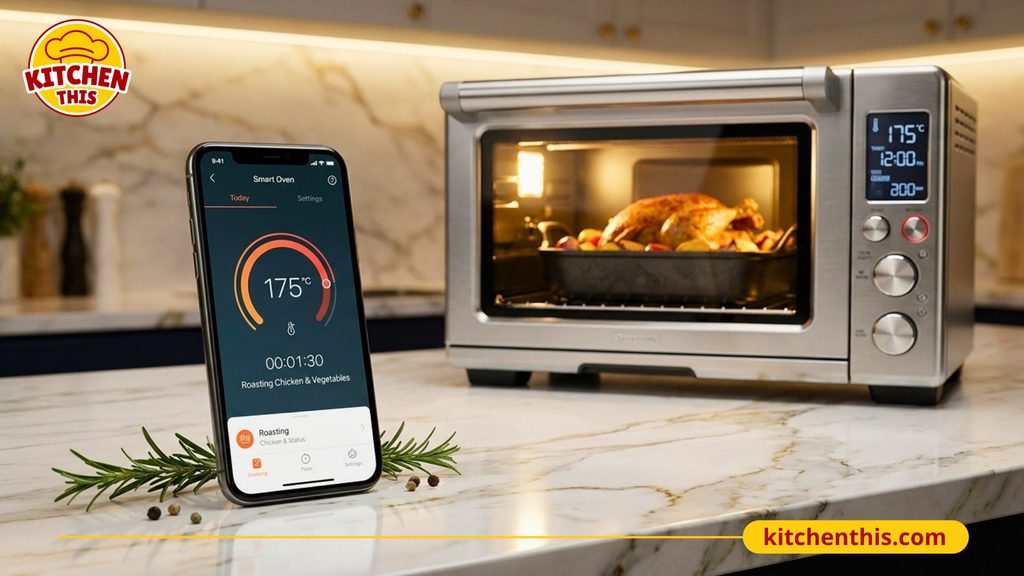
Compatibility With Modern Ovens and Smart Thermometers: Quality heavy-duty roasting trays and baking pans hold steady in high-heat convection and smart ovens without buckling. When roasting chicken, tenderloin, or holiday cuts on a rimmed sheet pan, pairing your bakeware with a wireless Bluetooth meat thermometer lets you track internal temperatures from your phone so nothing dries out while you step away from the kitchen.
Key Design Features That Improve Everyday Results
Understanding how well-built bakeware and breakfast pans manage heat helps explain why they perform more consistently than thin, budget alternatives:
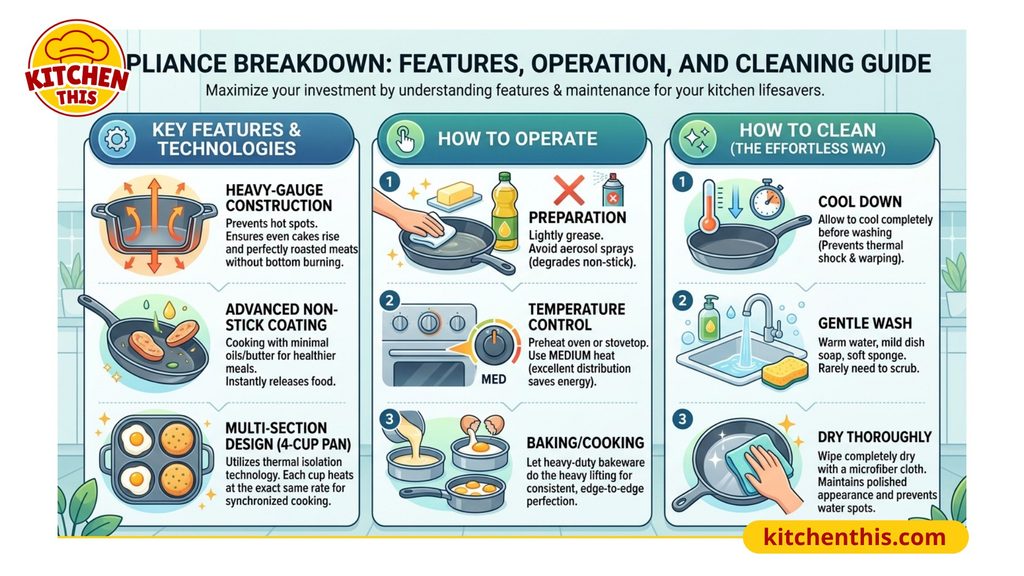
Heavy-Gauge Metal Core: Thick carbon steel or aluminized steel walls distribute oven heat evenly across the entire surface, preventing hot spots so cakes rise level, cookies brown uniformly, and roasted vegetables caramelize without scorching on the bottom.
Reinforced Non-Stick Coating: A smooth, multi-layer non-stick finish lets baked goods, glazes, and delicate eggs release cleanly with just a light brush of butter or oil, cutting down on added fats and eliminating stuck-on residue.
Evenly Heated Four-Cup Layout: In a divided 4-cup egg pan, a thick, flat base spreads burner heat evenly across all four recessed wells at the same rate, allowing you to cook four eggs or mini pancakes simultaneously without one side burning while the other lags behind.
How to Use and Care for Non-Stick Bakeware and Breakfast Pans
Best Practices While Cooking and Baking
- Grease Lightly With Butter or Oil, Skip Aerosol Sprays: Brush a thin layer of butter, vegetable oil, or avocado oil onto the pan before adding batter or eggs. Avoid canned aerosol cooking sprays, which contain propellants and lecithin that bake into a sticky, gummy residue over time.
- Use Low to Medium Stovetop Heat and Stay Within Oven Limits: On the stove, medium heat is plenty for a heavy-gauge 4-cup egg pan; high heat is unnecessary and wears down non-stick coatings prematurely. In the oven, follow your recipe’s baking temperature and stay within the manufacturer’s maximum heat rating (typically 425°F to 450°F for non-stick bakeware).
- Stick to Silicone, Wood, or Nylon Utensils: Lift cookies, muffins, and eggs with silicone spatulas, nylon turners, or wooden tools rather than metal knives or forks that can scratch the surface.
Simple Cleaning and Storage Routine
- Let Pans Cool Completely Before Washing: Never plunge a hot baking sheet or skillet directly into cold sink water, sudden temperature swings cause thermal shock, which warps metal bases over time.
- Hand-Wash With a Soft Sponge: Even if pieces are labeled dishwasher-safe, hand-washing with warm water, a drop of mild dish soap, and a soft non-abrasive sponge keeps the non-stick release smooth far longer.
- Dry Thoroughly Before Nesting: Wipe each pan dry with a soft dish towel, especially around rolled rims where trapped water can cause rust over time, and place a paper towel or felt protector between nested pans.
Why Investing in One Cohesive Bakeware Setup Pays Off
Replacing thin, warped cookie sheets and mismatched cake tins piecemeal costs more over time and leads to uneven baking results. Starting with one heavy-gauge non-stick bakeware set, paired with a dedicated multi-cup breakfast pan for busy mornings, simplifies weekday meal prep, frees up crowded cabinet space, and turns after-dinner cleanup into a quick rinse.
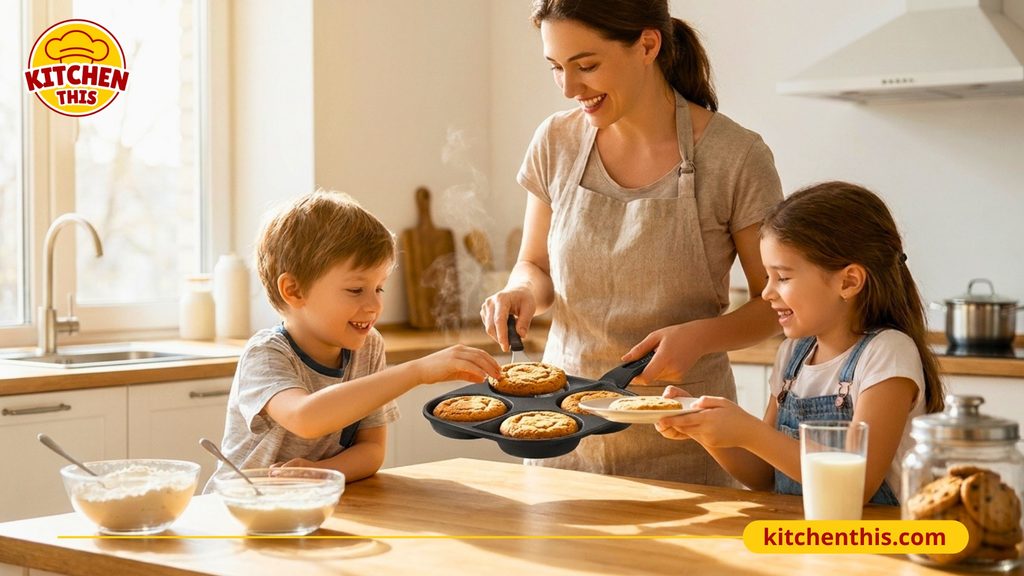
Upgrading to heavy-gauge, easy-release pans takes the guesswork out of everyday baking and breakfast prep, cutting down on stuck-on messes, uneven browning, and tedious sink cleanup after family meals.
If you are ready to replace warped sheets or streamline busy weekday mornings, you can browse the upgrade your kitchen today-shop the premium collection alongside space-saving stovetop options like the 4-Cup Egg Pan Nonstick, and Cast Iron Egg Frying Pan to see which sizes and finishes fit your kitchen best. Choosing durable, well-matched tools once means smoother prep, cleaner results, and a calmer kitchen routine every day of the week.
Simple Bakeware and Stovetop Organization Tips
Once you upgrade your pans, a few smart storage habits keep your cabinets scratch-free and speed up daily meal prep:
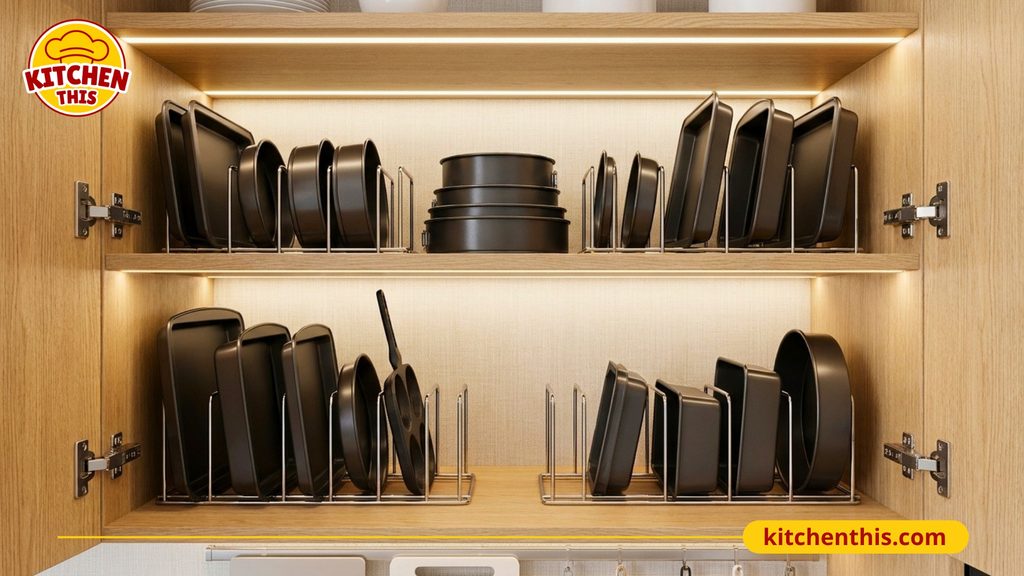
QuStore Pans Where You Use Them: Keep baking sheets, muffin tins, and cake pans in a cabinet right beside your oven, and store your breakfast skillets and silicone spatulas within arm’s reach of the stove so you aren’t walking across the kitchen during busy mornings.
File Baking Sheets Vertically: Instead of stacking heavy baking trays on top of non-stick cake pans, which causes scratches and forces you to unstack the whole pile, use an upright wire rack or cabinet divider to store flat pans vertically like files.
Set Out Breakfast Tools the Night Before: Before going to bed, place your 4-Cup Egg Pan on the burner with a silicone spatula and mixing bowl ready nearby. Starting the morning with an organized station saves precious minutes before work or school.
Equipping your kitchen with durable, easy-to-clean bakeware and dependable breakfast pans removes daily friction from cooking and leaves your cabinets far easier to manage.
Which baked treat or weekend breakfast recipe do you make most often at home? Let us know in the comments below, and if you are comparing options for your stovetop, take a look at our 4-Cup Egg Pan Nonstick, and Cast Iron Egg Frying Pan, Versatile Breakfast Skillet for Eggs, Pancakes, Plett, Crepes, Compatible with Gas Stove and Induction Cooktop picks to see which style fits your cooktop best.