Ceramic Baking Dishes: What Actually Holds Up in Real Kitchens
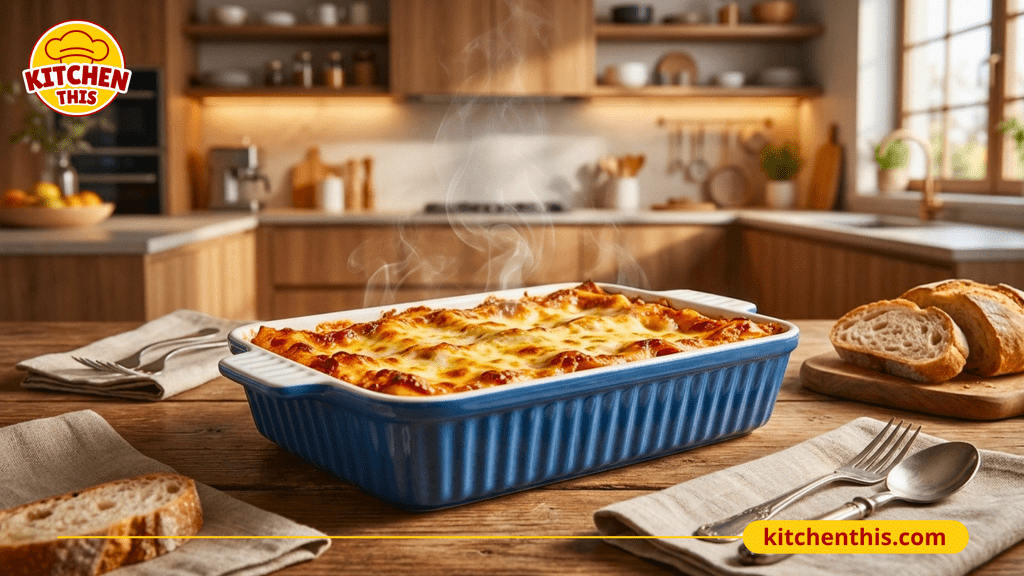
Taking a Baking dish straight from the oven to the table saves washing an extra pan, and on a busy weeknight that helps. The catch shows up once you cook with it regularly: heavy ceramic heats steadily and cleans up well when glazed right, but it cracks fast if you shock the temperature or drop a corner on hard stone. After fifty years around kitchen gear and appliances, I have watched plenty of good-looking dishes end up on the back shelf because the size was wrong for everyday meals or the upkeep got old.
Table of Contents
Going Straight From Oven to Table Without the Mess
Serving a bake straight from the dish saves you sliding hot pasta or a casserole onto another platter where it falls apart or cools down, and it cuts out an extra pan at the sink. Built-in ceramic handles make it easier to get a solid grip with oven mitts, though storing leftovers in the same dish only works if you have fridge space to spare and let it cool down first.
How Ceramic Compares to Glass and Metal
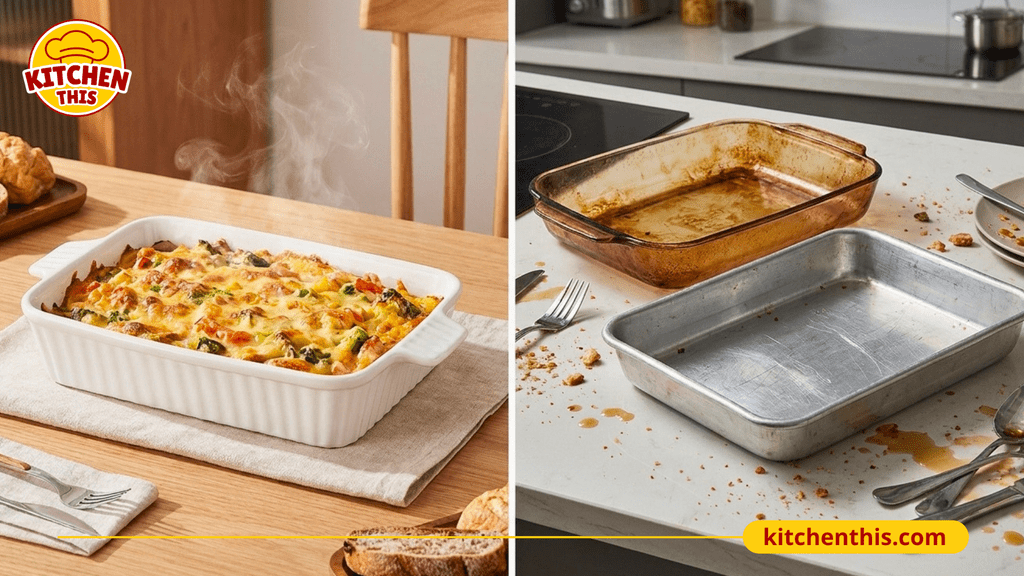
Use this breakdown to see where glazed ceramic earns its spot and where glass or metal makes more sense.
| Aspect | Ceramic | Glass | Metal |
| Best For | Baked pasta, casseroles, crumbles, and serving straight from the dish. | Everyday bakes, casseroles, and storing leftovers in the fridge. | High-heat roasting, brownies, sheet bakes, and crisp edges. |
| Wear & Damage | Smooth glaze cleans up after a soak, but chips if knocked against hard edges. | Easy to check doneness through the sides, but shatters if dropped and takes soaking on baked-on spots. | Heats and cools fast for crisp edges, though thin pans warp, scratch, or rust if coatings wear down. |
| Sauces & Acidity | Handles tomato sauces and acidic bakes cleanly with no metallic taste. | Works fine with acidic sauces, though sharp temperature shifts can crack it. | Fine for quick bakes; bare or worn metal isn’t great for long acidic simmers. |
| Table & Lifting | Goes straight to the table and saves a serving dish, though it’s heavy once loaded. | Practical for family meals and fridge storage, less dressed up for the table. | Best kept in the kitchen unless you transfer the food to another dish. |
| Heat Behavior | Warms up slower, then holds steady heat longer on the table. | Holds moderate heat and lets you watch browning from the side. | Heats up and cools down fast, great for browning, less helpful if food sits out before serving. |
What to Look for When Buying a Casserole Dish Set
Buying bakeware comes down to whether the sizes match how you actually cook, whether the glaze holds up without flaking, and how much heavy ceramic you want to manage.
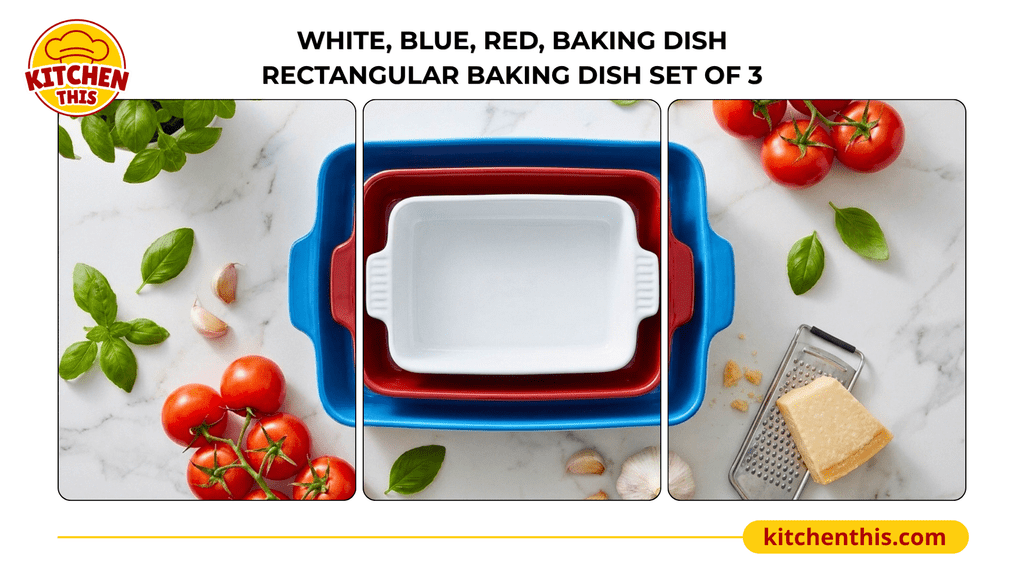
Practical Sizing: A three-piece set around 11-inch, 12-inch, and 14-inch lengths covers most everyday bakes without forcing you to guess. The 11-inch pan handles a side gratin or smaller batch, the 12-inch works for standard weeknight casseroles or crumbles, and the 14-inch steps up for a full lasagne or baked ziti, just make sure you have shelf space for deep, heavy pans.
Glaze & Food Safety: Well-fired, lead- and cadmium-free glaze gives you a smooth surface that does not react with acidic tomato sauces the way worn metal or scratched coatings can. Keep in mind that no glaze is completely immune to wear over time if you scrape it with metal utensils or knock it against hard edges.
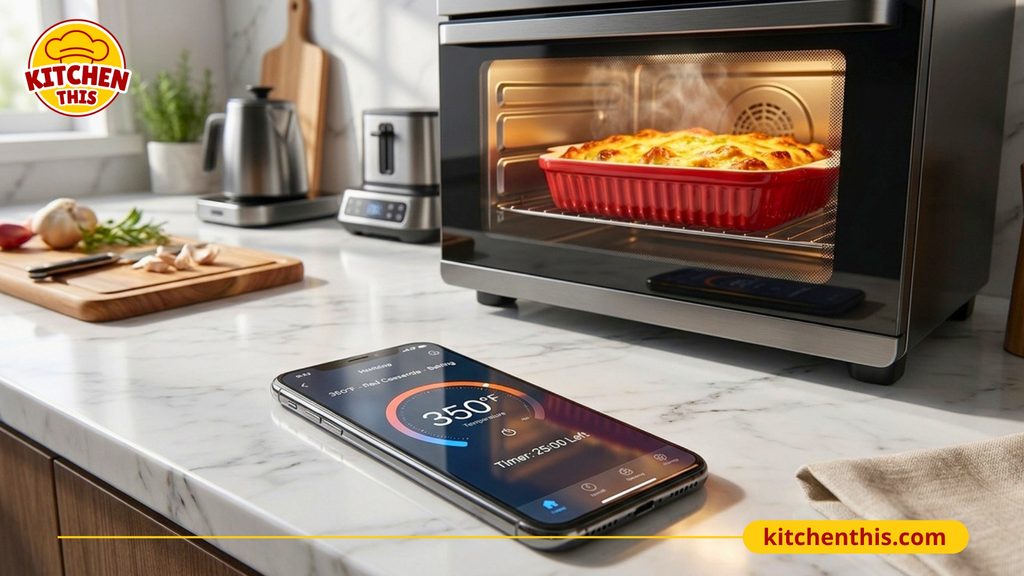
Oven & Daily Use: Ceramic’s thick walls hold steady heat once warmed up, which suits slow bakes, gratins, and pasta dishes, though it takes longer to heat through than thin metal. You do not need smart gadgets to make it work, just an accurate oven and basic care like letting the dish cool before washing so the glaze does not craze or crack.
What Actually Matters in a Glazed Ceramic Baking Dish
Cut through the product-page hype and a ceramic dish comes down to three practical things: how it holds heat, how safely you can lift it when full, and how its glaze holds up to real cooking and washing.
Heat Retention: Thick ceramic walls warm up more slowly than metal, so give the oven and dish fair time to come up to temperature. Once hot, they hold steady warmth well for baked pastas, gratins, and second helpings at the table, though ceramic is a poor conductor compared to metal, so uneven oven hot spots can still show up if you never rotate the pan.
Built-In Handles: Integrated ceramic handles give you a solid place to grip with thick oven mitts, which matters when a large dish is loaded with heavy sauce and pasta. Still, leverage changes once the dish is full and hot, so support it underneath rather than swinging it by one side.
Glaze & Slicing: A smooth, fired glaze resists sticking better than bare metal and wipes clean easier after a warm soak, but it is not scratch-proof or indestructible. Cutting directly inside the dish with a sharp knife or metal server can leave faint marks over time, and hard knocks on edges or counters can chip it.
How to Use It Without Breaking It or Gluing Food to the Bottom
Good habits with a ceramic dish come down to greasing before you load it, keeping temperature swings gradual, and setting it down safely once it is hot.
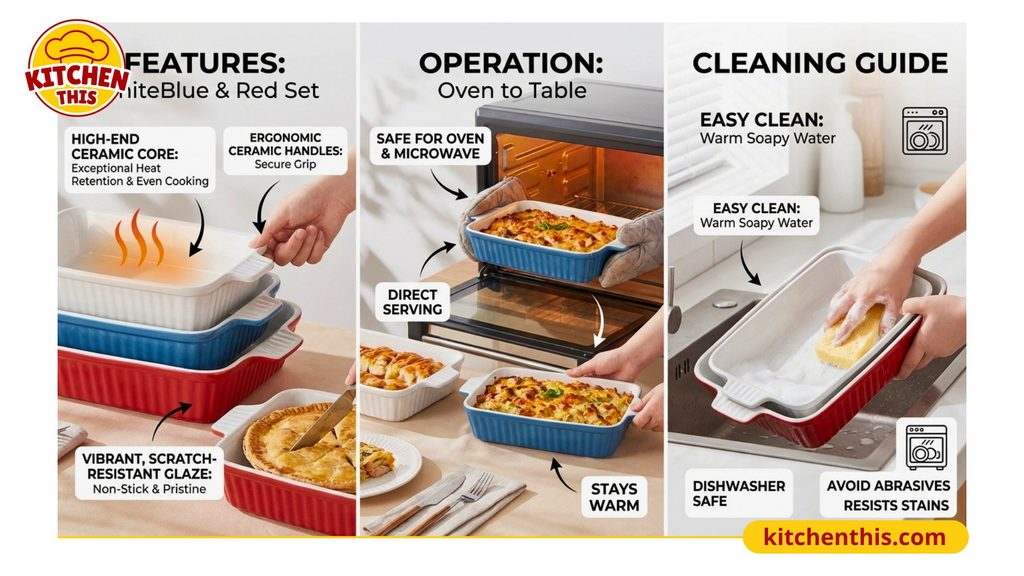
Prep and Greasing: Grease the inside with butter, oil, or a light dusting of flour or crumbs depending on what you are baking. Even a smooth glaze is not truly non-stick when cheese burns onto the rim or sugar caramelizes, so a little fat keeps lasagne, gratins, and crumbles from clinging.
Temperature Shifts: Ceramic handles heat well, but sharp temperature jumps can crack it or craze the glaze. Do not pull a cold dish out of the fridge or freezer and drop it into a hot oven, let it sit at room temperature or put it in before the oven preheats so it warms up gradually, and avoid setting a scorching dish onto a wet counter or cold sink.
Pulling and Serving: Grab the handles with dry, heavy-duty oven mitts and support the bottom when the dish is full and heavy. Set it on a trivet, folded towel, or heat-safe surface on the table rather than bare wood, laminate, or stone that can scorch or shock the ceramic.
Cleaning Ceramic Without Ruining the Glaze
Ceramic cleans up easily most of the time if you give stuck food a warm soak and keep harsh abrasives and sudden temperature drops out of the routine.
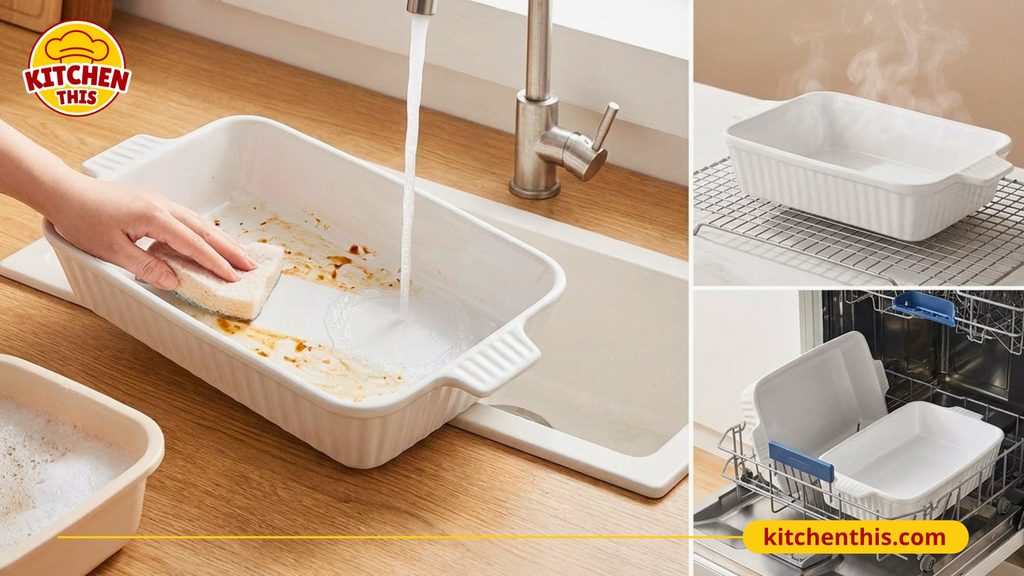
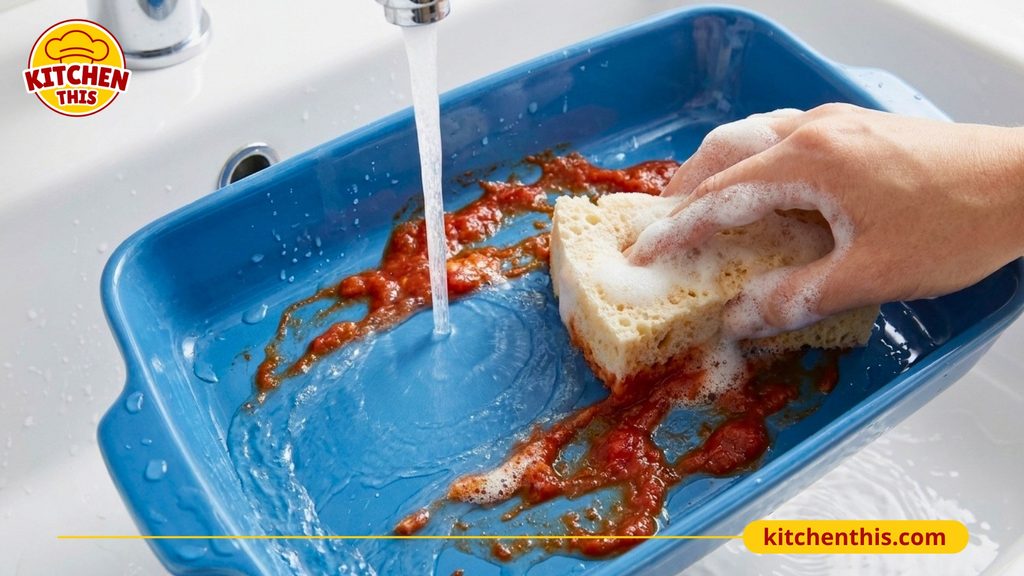
Let It Cool First: Wait for a hot dish to cool down before running water over it or dropping it into a sink. Sudden cold water on hot stoneware can cause stress cracks or crazing in the glaze over time.
Soak Before Scrubbing: Fill the dish with warm, soapy water and let baked-on cheese, sauce, or browned edges sit for a bit before wiping with a non-abrasive sponge. Harsh scouring pads or aggressive dishwasher detergents can dull the finish and wear the glaze faster than a quick hand wash.
Hand Wash vs. Dishwasher: A sink wash with warm water and dish soap is usually fast enough for everyday bakes and keeps the finish looking better longer. If you use the dishwasher, leave plenty of room so heavy dishes cannot knock against one another during the cycle.
Why a Ceramic Set Actually Earns Its Spot
A set of ceramic baking dishes makes sense when you cook regular bakes, lasagne, casseroles, gratins, crumbles, and want fewer pans moving between the oven, table, and fridge. Having sizes around 11-inch, 12-inch, and 14-inch lets you match the pan to the portion instead of crowding a tiny dish or wasting space in a huge one, provided you actually have cabinet room for heavy stoneware and let hot food cool down before putting leftovers in the fridge. It is not a magic shortcut for every meal, and heavy lifting or slow preheating still comes with the territory, but if that matches how you cook, it cuts down on extra serving dishes and gives you reliable oven-to-table performance.
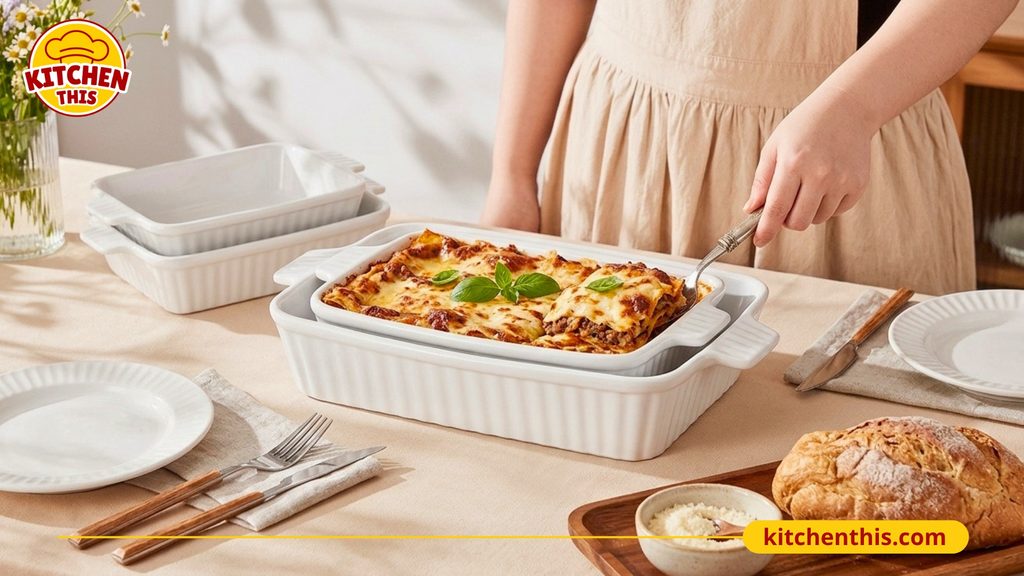
You can check current sizing details and availability for the 3-piece rectangular ceramic baking set if those dimensions match what you cook.

Storing Ceramic Bakeware and Wrapping Up
Heavy stoneware only makes weeknight cooking easier if it is stored where you can reach it safely and used in ways that fit your actual routine.
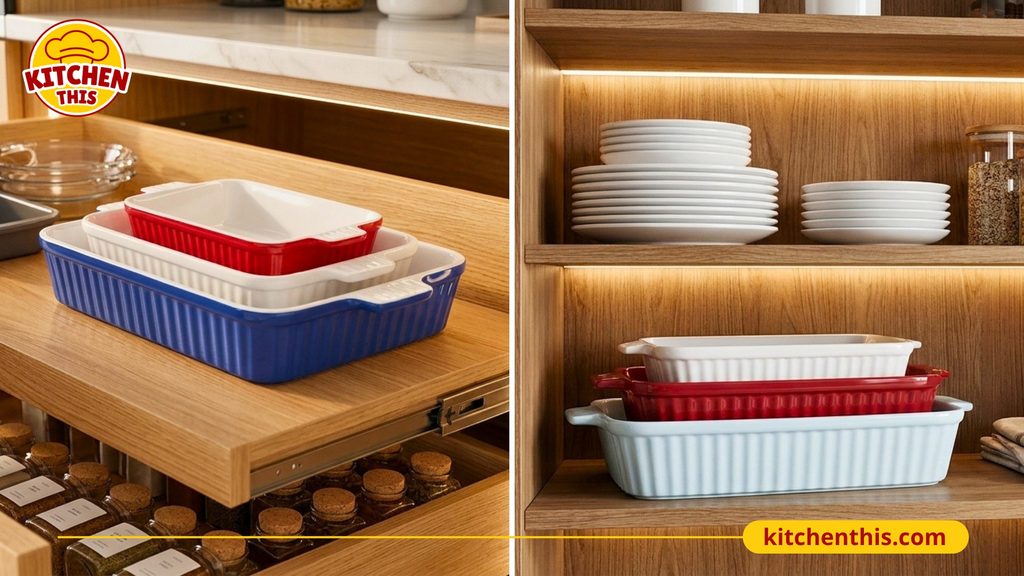
Nest With Padding: Graduated 11-inch, 12-inch, and 14-inch dishes can nest to save cabinet space, provided you put a folded dish towel, paper towel, or felt liner between them so the glaze does not scratch or chip on contact.
Keep Them Low: Store heavy ceramic pans in a lower cabinet near your prep space rather than on high shelves. Lifting a thick stoneware dish full of baked pasta or gratin is hard on your wrists and back, and lower storage cuts the chance of a costly drop.
Prep Ahead With Care: Assembling a lasagne or casserole a day ahead works well in ceramic, just remember to give a cold dish from the fridge time to warm toward room temperature, or put it into a cold oven as it preheats, rather than shocking it with sudden high heat.
when youre utilizing smart organization and professional-grade, elegant ovenware, you reclaim the joy of cooking and the luxury of simply sitting down to enjoy a hot meal with the people you love the most.
If you want to check the exact 3-piece rectangular ceramic set in the 11-inch, 12-inch, and 14-inch sizes mentioned above, you can see the current specs and pricing on the Rectangular Baking Pan, 3-Piece Set
What are you actually going to bake in it first, a weekend lasagne, a baked ziti, a gratin, or a fruit crumble? Drop what you usually make in the comments and let me know if you prefer ceramic, glass, or metal for big oven dishes.