Building Layers of Flavor: The Professional Chef’s Guide to Exceptional Taste
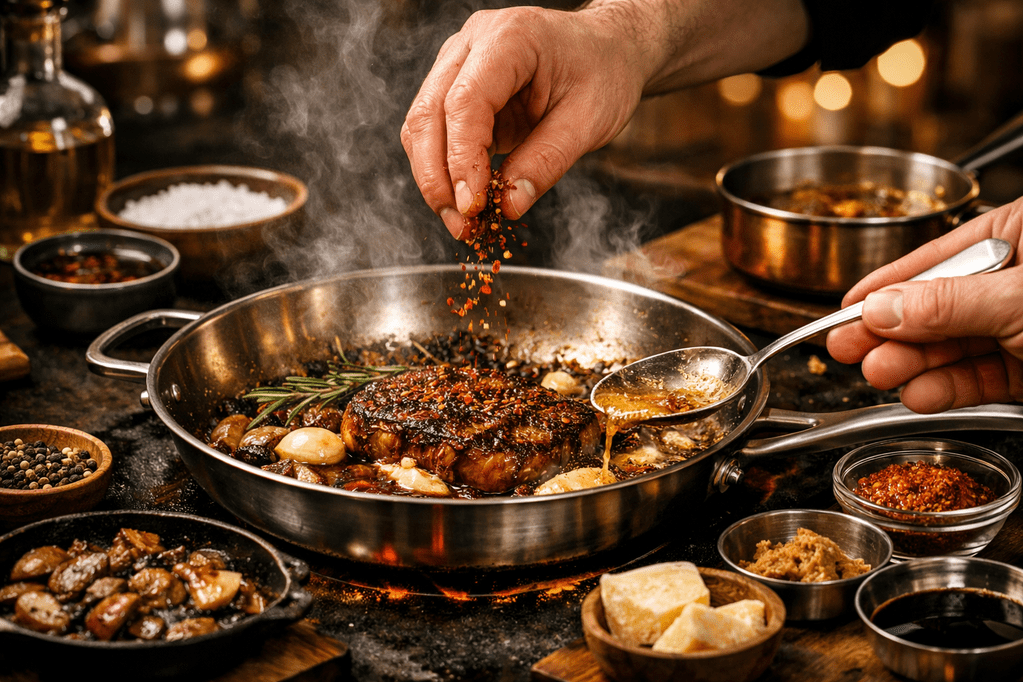
The finest luxury cuisine is distinguished not by sheer complexity, but by the careful, deliberate orchestration of taste. Have you ever wondered why a restaurant-prepared sauce tastes profoundly richer and more complex than its homemade counterpart? The secret lies in a fundamental, yet often overlooked, methodology: layering flavors in cooking.
Exceptional Taste: Layering Flavors in Cooking
Every exceptional dish develops gradually. It is not created by indiscriminately throwing ingredients into a pot, but through a calculated progression of deliberate seasoning, beautifully balanced aromatics, and highly complementary textures. Consider this article your definitive gourmet cooking guide to transforming ordinary meals into gastronomic masterpieces. In the following sections, we will explore the professional techniques required to build sophisticated, multidimensional profiles that will elevate your culinary creations to the highest standards of fine dining.
The Foundation: Utilizing Aromatics in Cooking
The journey of flavor development must begin with a strong, unwavering foundation. Before the star protein or primary vegetable ever meets the heat, the groundwork is laid through the precise manipulation of aromatic ingredients.
Sweating the Base
Professional kitchens rely on foundational mixtures—such as the French mirepoix, the Cajun “holy trinity,” or the Italian soffritto. The process of gently sweating onions, shallots, garlic, celery, and carrots over low heat is non-negotiable.
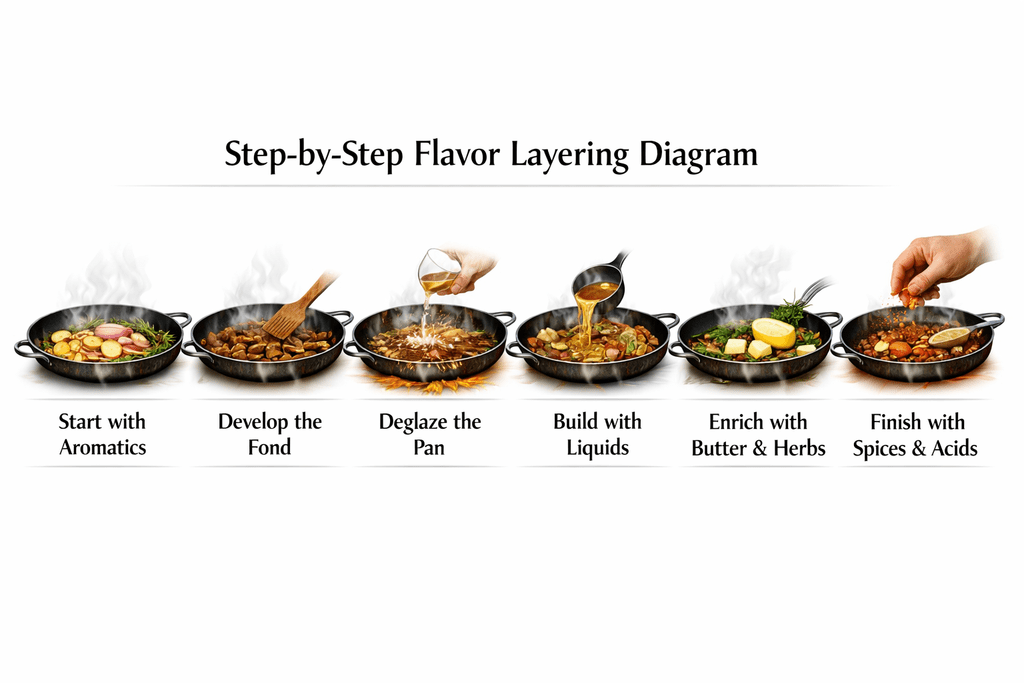
- The Goal: To soften the vegetables and release their natural sugars without introducing harsh, bitter browning.
- The Result: This gentle coaxing creates a sweet, savory backbone that permeates the entire dish, setting the stage for subsequent ingredients.
Toasting Spices
Another critical step in building a foundation is the awakening of dried spices. Toasting whole spices (like cumin, coriander, or star anise) in a dry pan or blooming them in warm cooking oil releases volatile essential oils that lie dormant at room temperature. This single step exponentially amplifies their potency, building depth of flavor that cannot be achieved by simply dusting raw spices over a finished dish.
Elevating the Dish: Masterful Deglazing Methods
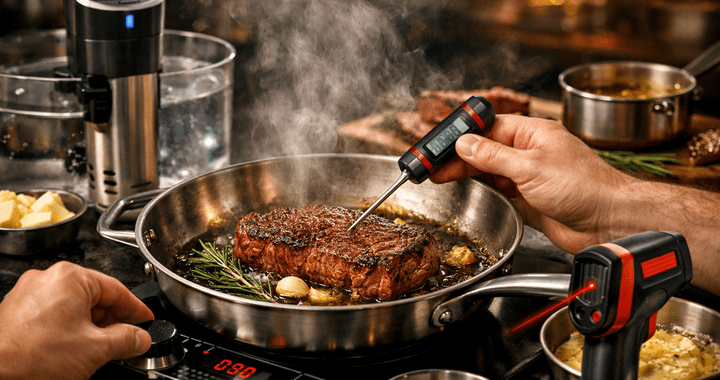
As proteins and vegetables sear, they leave behind a dark, caramelized residue firmly stuck to the bottom of the pan. In the culinary world, this residue is known as fond, and it is a treasure trove of concentrated savory notes.
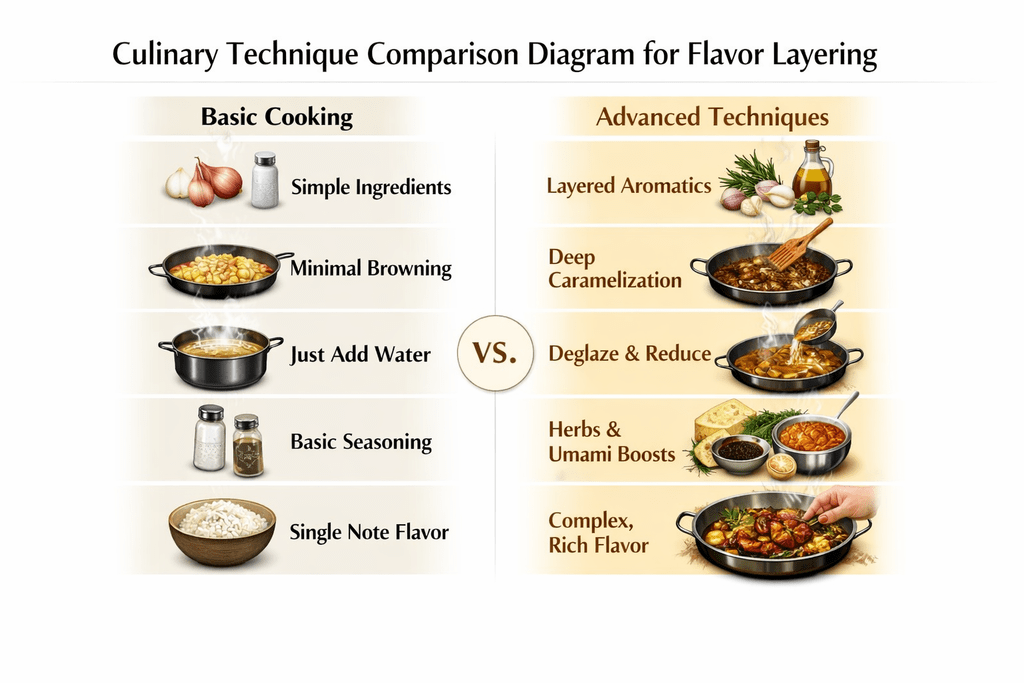
Leaving the fond behind is a missed opportunity. Utilizing proper deglazing methods is one of the most vital professional chef secrets for capturing every drop of available flavor.
- Wine: A splash of dry white or robust red wine lifts the fond, introducing both complex fruit notes and essential acidity to cut through rich fats.
- Premium Stock: High-quality beef, chicken, or veal stock adds intense, meaty depth, serving as the perfect base for pan sauces and reductions.
- Citrus and Vinegars: For lighter dishes, such as delicate seafood, a splash of lemon juice or dry vermouth effectively releases the caramelized bits while providing a bright, lifting aroma.
Culinary Seasoning Techniques: A Continuous Process
Amateur cooks often make the mistake of adding salt only once the dish is plated. In contrast, luxury culinary methods dictate that seasoning is a continuous, evolutionary process.
The Importance of Incremental Seasoning
Culinary seasoning techniques require chefs to season at every stage of the recipe.
- Seasoning the raw protein draws out moisture for a better sear.
- Seasoning the sweating aromatics helps them break down efficiently.
- Seasoning the reducing sauce concentrates the saltiness perfectly.
By salting incrementally, the flavor develops naturally and penetrates the ingredients fully, rather than sitting sharply on the surface. This is the essence of balanced seasoning—the dish should taste inherently flavorful, not merely “salty.”
Achieving Balance: Acidity and Richness
A sophisticated palate recognizes that flavor is a delicate seesaw between richness and acidity.
- Introducing Brightness: Heavy, braised meats or butter-laden sauces can fatigue the palate quickly. Introducing acidity via a squeeze of fresh lemon juice, a splash of aged sherry vinegar, or a delicate verjus at the very end of cooking instantly awakens the dish.
- Introducing Richness: Conversely, highly acidic tomato sauces or sharp vinaigrettes require mellowing. A knob of cultured butter mounted into a sauce, a drizzle of extra virgin olive oil, or a touch of premium heavy cream rounds out sharp edges, contributing a luxurious, velvety mouthfeel.
The Role of Texture in Flavor Perception
While taste occurs on the tongue, flavor is a multi-sensory experience. Texture directly influences how our brains perceive taste. A dish that is uniformly soft, no matter how well-seasoned, quickly becomes monotonous.
Integrating textural contrast is a hallmark of fine dining techniques.
- Crisp Garnishes: Fried shallots, garlic chips, or a frico (cheese crisp) provide a sudden, savory crunch that breaks up the richness of a puree or risotto.
- Toasted Nuts and Seeds: Marcona almonds, toasted pine nuts, or toasted pepitas offer earthy, fatty snaps of flavor that complement both salads and roasted meats.
- Delicate Finishes: Flaky sea salt (like Maldon) provides a sudden, clean burst of salinity, while fresh microgreens or infused herb oils offer a fresh, herbaceous contrast to heavy, deeply cooked elements.
Professional Chef Secrets: The Power of Restraint
As you master the art of layering, you must also master the art of editing. It is tempting to add every spice, herb, and technique to a single plate in an attempt to impress. However, true luxury is defined by restraint.
Rather than overwhelming the palate with excessive, competing ingredients, refined cooking celebrates the natural excellence of the components.
- Source premium, seasonal produce at its peak.
- Invest in responsibly sourced, high-quality proteins.
- Allow your carefully constructed layers—the sweated aromatics, the deglazed fond, the balanced acidity—to support the primary ingredient, rather than mask it.
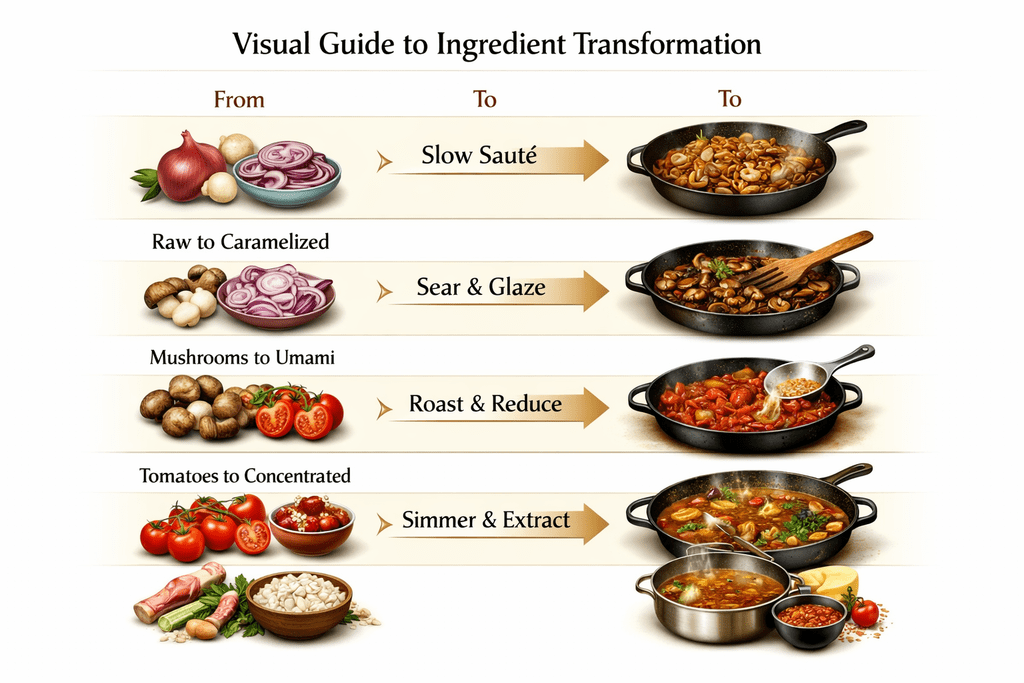
When you allow exceptional ingredients to speak for themselves, supported by masterful technique, you achieve culinary perfection.
Conclusion
Creating memorable, restaurant-quality cuisine is an exercise in patience and precision. By deliberately layering flavors in cooking, you transform flat, one-dimensional meals into resonant culinary experiences. Remember to build a strong foundation with aromatics, capture caramelized depths through deglazing, season incrementally, balance richness with acidity, and utilize texture to excite the palate. Through restraint and respect for premium ingredients, you can elevate your home kitchen to new, luxurious heights.
Ready to refine your palate? The next time you step up to the stove, slow down. Sweat your onions completely, deglaze your pan with intention, and taste your food at every step of the journey. The difference will be extraordinary.