Is a High-Performance Smart Blender Worth It? What You Should Know Before Buying
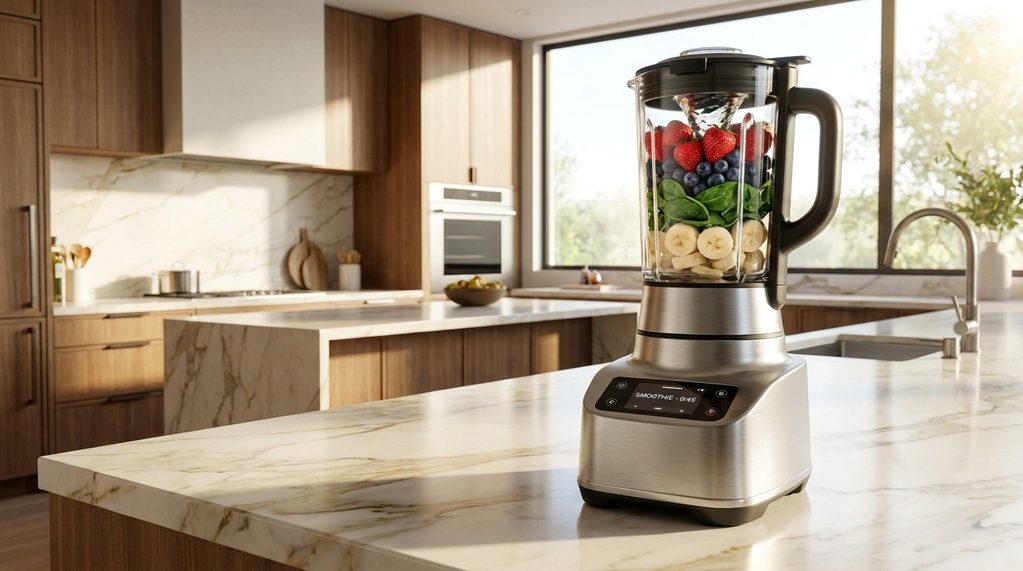
Modern countertop blenders have come a long way from basic machines that only crush ice or mix simple milkshakes. Today’s high-performance smart blenders pack stronger motors, preset programs, and built-in sensors that automatically adjust speed and blending time depending on what is inside the pitcher.
Whether you make daily green smoothies, grind nuts into homemade nut butter, or blend hot soups from scratch, upgrading to a high-powered blender can save serious prep time in the kitchen. Here is a practical look at what sets smart blenders apart, how they improve everyday cooking, and whether one makes sense for your kitchen.
What Makes a Smart Blender Different From a Standard Model?
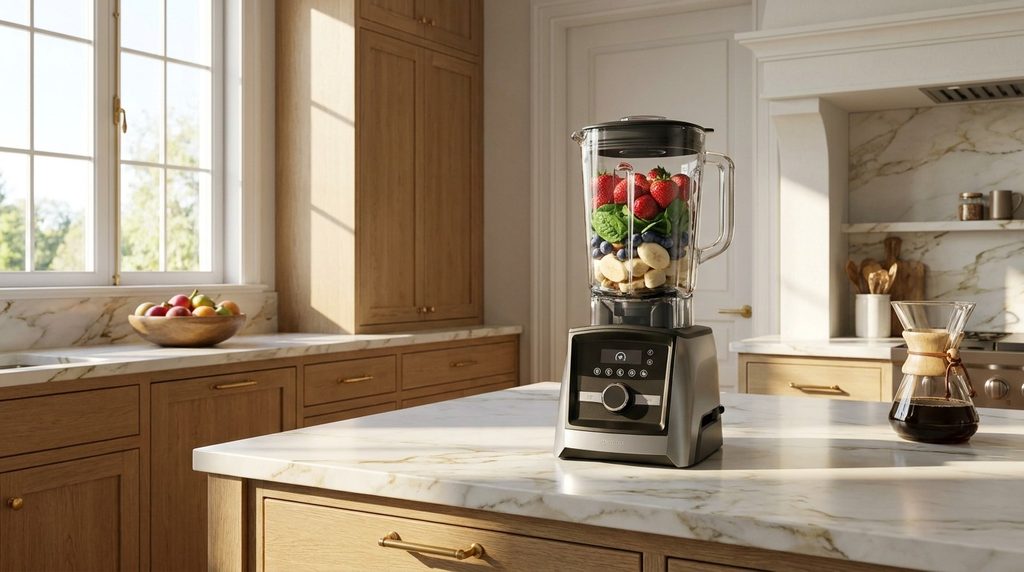
Busy households need kitchen tools that save time without cutting corners on healthy meals. A good high-speed blender handles far more than frozen fruit and ice, it can blend creamy soups, emulsify sauces, grind oats into flour, and simplify weekly meal prep in minutes.
Understanding how a smart blender compares to a traditional food processor, and knowing which features actually matter, makes it much easier to choose the right machine for your counter. Here is how both appliances stack up for everyday cooking.
Smart Blender vs. Food Processor: Which One Do You Need?
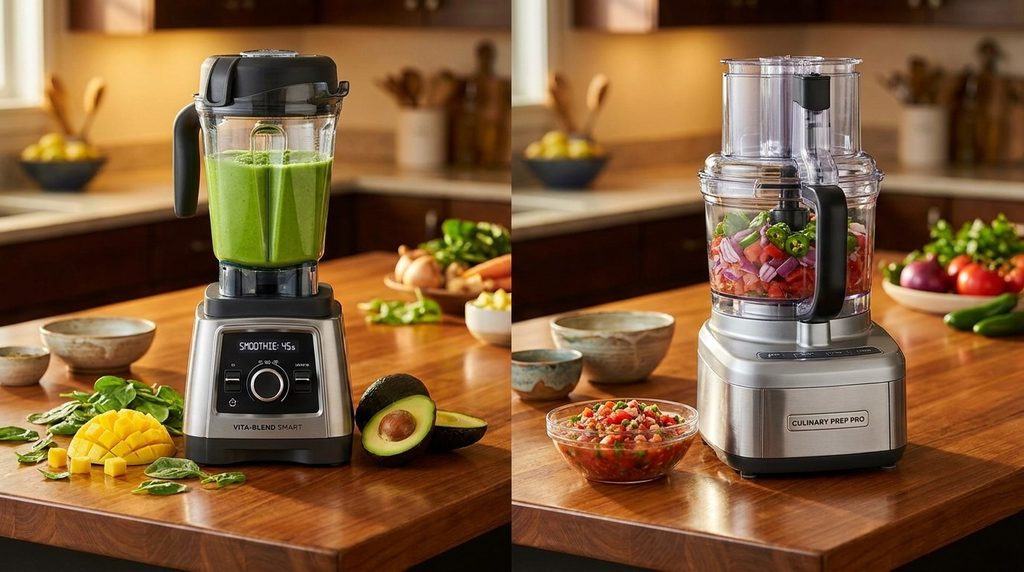
Understanding how a high-speed smart blender compares to a standard blender and a food processor makes it easier to pick the right appliance for your counter:
| Feature / Appliance | High-Performance Smart Blender | Standard Countertop Blender | Traditional Food Processor |
| Primary Function | Pulverizing, liquefying, heating soups, and smart-cycle blending. | Basic liquid blending and light mixing. | Chopping, slicing, shredding, and dough kneading. |
| Texture Delivered | Ultra-smooth, velvety liquids, perfectly creamy nut butters, and fine purees. | Often leaves chunks in tough ingredients like kale or frozen fruit. | Coarse, textured, chunky (salsa, chopped veggies). |
| Suitability for Food Types | Perfect for smoothies, frozen fruit, hot soups, protein shakes, and nut butter. | Best for soft fruits, protein powders, and simple liquids. | Best for root vegetables, hard cheeses, and thick doughs. |
| Lifestyle Match | Ideal for busy families, modern couples, and health-focused individuals needing fast, pro-tier results. | Occasional users who make simple, infrequent smoothies. | Home chefs focused on prep-heavy baking and heavy vegetable chopping. |
Key Features to Look for in a Smart Blender
Not all high-speed blenders perform the same, especially when dealing with frozen fruit, raw nuts, or hot ingredients. When comparing models for daily family cooking, focus on three practical features that directly affect durability and ease of use:
- A Full-Size 64-Ounce (2-Liter) Pitcher: A 64-ounce container gives you enough room to blend batch soups or four morning smoothies at once, while still fitting cleanly under standard upper kitchen cabinets.
- BPA-Free Tritan and Stainless Steel Blades: Look for hardened stainless-steel blades that stay sharp over years of crushing ice, paired with a BPA-free Tritan pitcher that handles boiling-hot liquids safely without warping or absorbing odors.
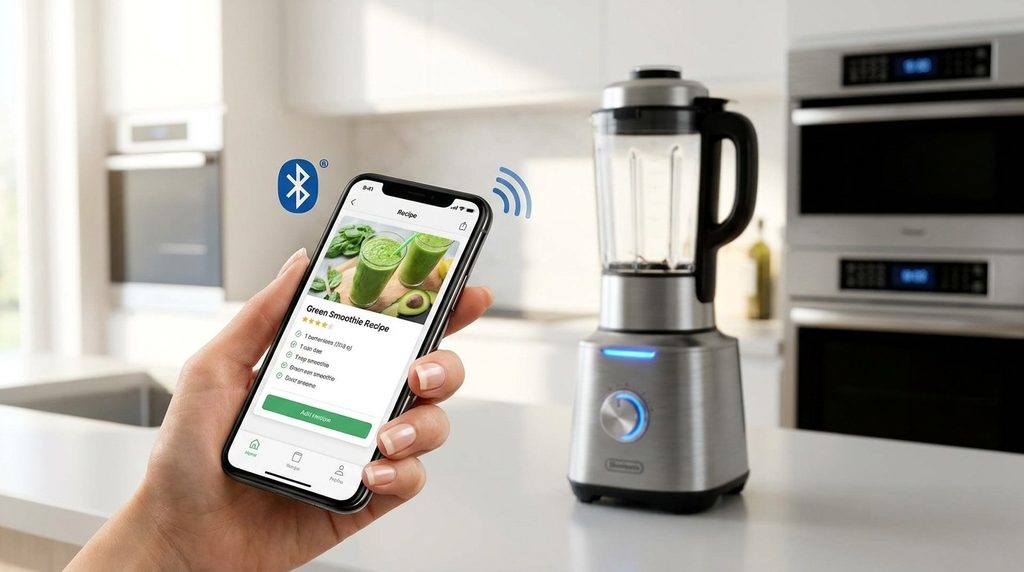
- Smart Sensors and App Connectivity: Many modern smart blenders include built-in weight sensors, preset programs, and Bluetooth app support. Rather than guessing blending times, the motor automatically adjusts speed and power to match the recipe you select, shutting off once the texture is ready.
Motor Power and Speed Control Explained
A true high-speed blender typically runs on a motor between 1,400 and 1,800 watts. That extra torque prevents the motor from stalling when blending thick nut butters or dense frozen smoothie bowls.
At maximum speed, the blades spin fast enough to create friction heat, allowing you to turn cold vegetables and broth into a steaming hot soup in about five to six minutes without using the stove. Having manual variable speed control alongside smart presets also lets you pulse chunky salsas at low speed before ramping up to full power for silky sauces and purees.
How to Use and Clean Your Blender Safely
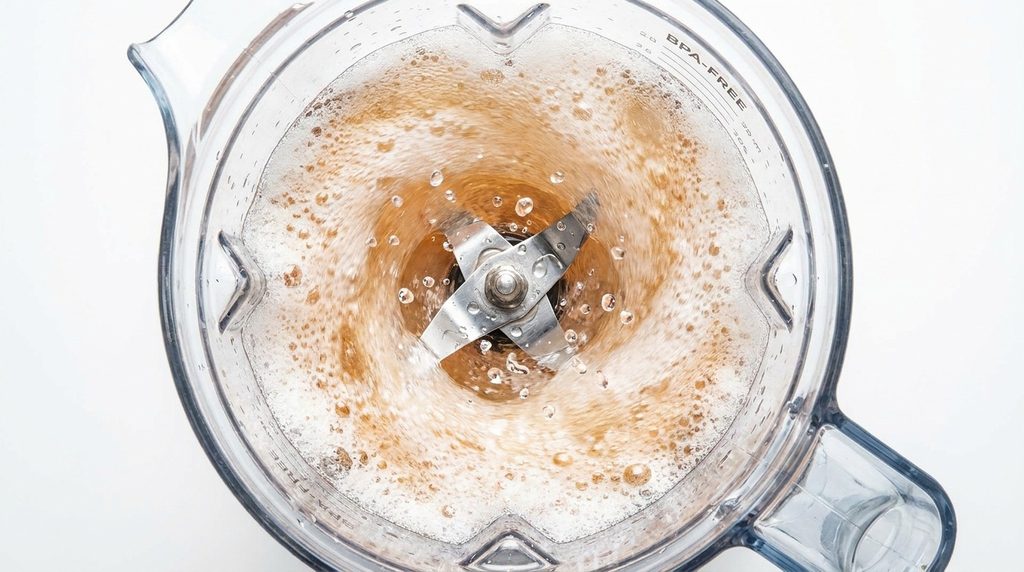
Using a high-powered smart blender is straightforward once you follow the right layering order in the pitcher:
Load Ingredients From Softest to Hardest: Always pour liquids (water, milk, or juice) into the bottom first, followed by powders, seeds, leafy greens, and fresh fruit. Add ice cubes and frozen fruit at the very top so their weight pushes everything down toward the blades and keeps the motor from jamming.
Pick a Preset or Adjust Manually: Turn the dial or tap a preset like Smoothie, Hot Soup, or Frozen Dessert. The blender automatically varies its speed and pulses as needed, then shuts off on its own once the cycle finishes.
Clean the Pitcher in 60 Seconds: Right after pouring out your food, before residue dries on the blades, fill the pitcher halfway with warm water and one drop of dish soap. Lock the lid, run the Clean preset (or blend on high for 45 to 60 seconds), and rinse thoroughly with warm water.
Everyday Ways to Use a High-Powered Blender
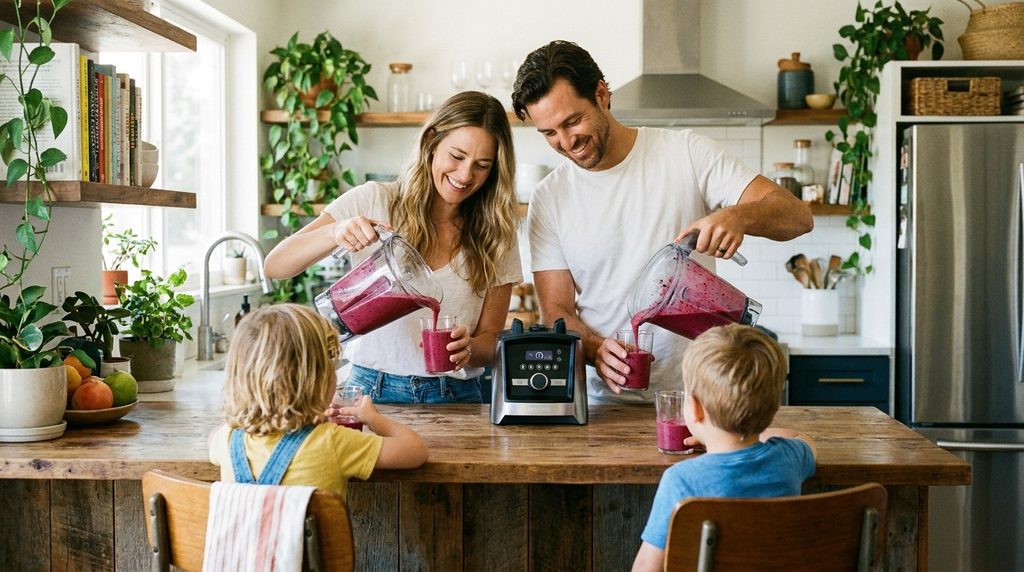
Investing in a heavy-duty smart blender makes the most sense when you use it across multiple meals rather than letting it sit in a cabinet between occasional smoothies:
- Quick Breakfast Smoothies and Shakes: Blend leafy greens, frozen berries, oats, and protein powder into a smooth drink in under a minute on busy weekday mornings.
- Homemade Nut Butters and Dips: Grind roasted almonds, peanuts, or cashews into fresh, preservative-free nut butter, or whip up smooth hummus and pesto without extra oils.
- Fresh Baby Food Purees: Steam fresh vegetables or fruits and puree them into smooth, lump-free portions with zero added sugars or preservatives.
- Hot Soups and Frozen Treats: Make creamy tomato basil or roasted squash soup straight in the pitcher, or blend frozen fruit into quick sorbets and chilled drinks when hosting guests.
Quick Countertop Setup Tips for Daily Blending
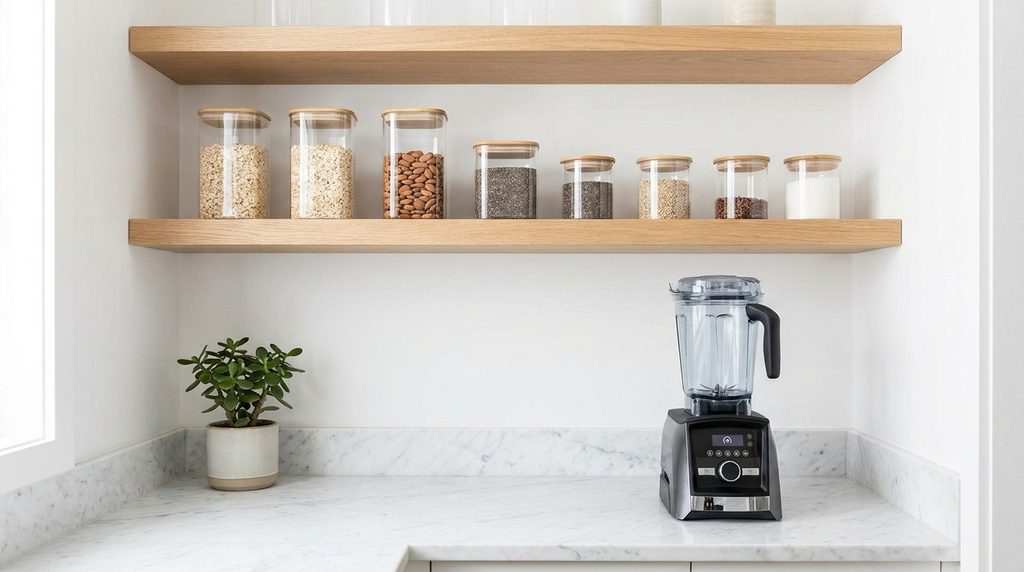
Having a powerful blender only saves time if it is easy to reach and quick to put away on busy mornings. A few small setup habits make daily use effortless:
Create a Dedicated Smoothie Station: Keep your blender plugged in on one corner of the counter next to a small tray holding your most-used add-ins, such as oats, chia seeds, nut butter, and protein powder, so you never have to haul a heavy motor base out of a cabinet at 7 AM.
Pre-Pack Freezer Smoothie Bags: Portion chopped greens, berries, and bananas into reusable freezer bags on Sunday afternoon. On weekday mornings, just dump one bag into the pitcher, add milk or water, and blend.
Is a Smart Blender Right for Your Kitchen?
If you only blend an occasional iced drink once a month, a basic, budget-friendly blender will do the job fine. However, if you cook from scratch regularly, prep meals ahead for your family, or want one reliable appliance that handles hot soups, nut butters, and tough frozen ingredients without burning out, a high-performance smart blender quickly earns its spot on the counter.